
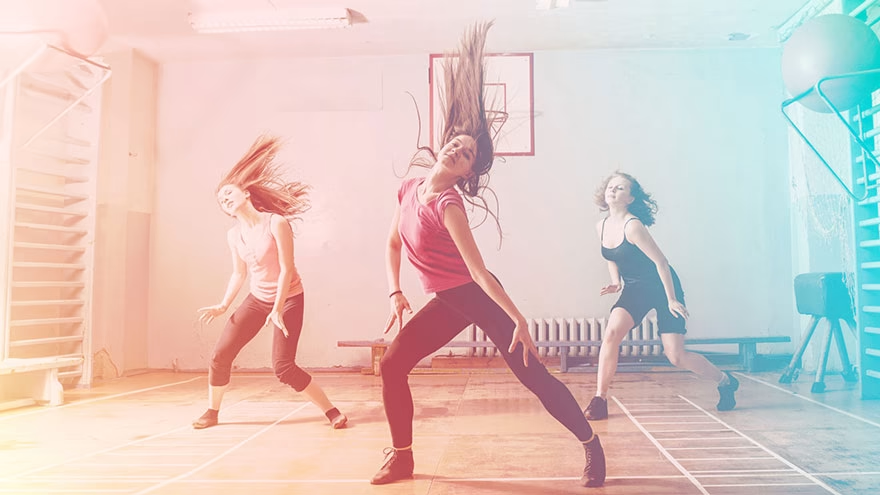
Dance Workouts Are Workouts First
How to Dance in Workouts starts with permission to be imperfect. You are not auditioning. You are moving to music, building stamina, and learning steps while your heart rate rises.
Dance fitness can feel confusing at first because the class asks for rhythm, coordination, and exercise at the same time. That gets easier when you simplify.
If you keep moving safely, you are doing the workout.
Choose the Right First Class
Look for beginner, low-impact, fundamentals, chair dance, walking dance, or no-jump labels. Avoid advanced choreography or high-impact classes until you know how your body responds.
Better Health Channel's dance health benefits page says dancing can be a way to stay fit for people of different ages, shapes, and sizes, while also advising medical checkups for people with certain risk factors.
Start where you can finish. Confidence grows when the class level fits.
Warm Up With the First Song
Use the first song to make the body ready, not to prove how hard you can work. Keep steps smaller, shoulders loose, and landings quiet.
Notice the floor, shoes, spacing, and instructor cues. If the class starts fast, choose the low-impact version until your breathing and joints feel ready.
A careful first song can prevent the rest of the class from feeling chaotic.
Learn the Base Step
Most dance workouts repeat a few base steps: step touch, march, grapevine, side step, squat pulse, knee lift, heel dig, or simple box step. Learn the feet first.
Ignore arm styling until your feet understand the pattern. Once the step feels steady, add arms, direction changes, or a little more bounce.
Livecub's basic aerobic steps guide pairs well with dance fitness because many classes borrow from classic cardio patterns.
Follow Rhythm Before Choreography
If you lose the combination, find the beat. March, step touch, or sway until the instructor returns to a familiar pattern.
Counting can help. Many songs use blocks of eight counts, and many instructors cue changes on those blocks. You do not need to count forever, but counting can anchor the body while the steps are new.
Rhythm keeps you in the room when choreography gets busy.
Keep It Low Impact When Needed
Low impact does not mean low effort. You can remove jumps, keep one foot on the floor, reduce turns, and make arm motions smaller while still working hard.
If a move includes a jump squat, try a regular squat. If the class spins, step around in a small circle or face forward. If the instructor travels across the room, stay in your own space.
Livecub's chair dancing guide is useful for readers who want rhythm and expression with more support.
Add Arms After Feet
Many routines feel hard because the arms and feet change at the same time. Keep arms simple until the feet feel familiar.
Use hands on hips, small reaches, or relaxed arm swings. Once the lower body knows the pattern, add the instructor's arm styling if it feels good.
This is not cheating. It is how coordination builds without turning the class into a memory test.
Use the Talk Test
The CDC's adult physical activity guidance lists 150 minutes of moderate-intensity activity a week, or 75 minutes of vigorous activity, plus muscle-strengthening work on at least two days.
In a dance workout, moderate effort usually means you can talk but not sing. If you cannot speak a short phrase, lower the intensity.
Good pacing lets you come back for the next class.
Watch the Instructor's Feet
Beginners often watch arms, facial expression, or the mirror and miss the step. Watch the feet first, then the direction, then the arms.
If the instructor turns away, stay facing forward until you understand the pattern. Many people learn faster by keeping orientation simple.
Stand where you can see without feeling trapped. The back corner is fine if it helps you relax.
Give Yourself Enough Space
Dance workouts need room for side steps, turns, kicks, and arm sweeps. At home, clear rugs, cords, toys, and furniture edges before starting.
In a class, choose a spot where you can move without worrying about bumping someone. If the room is crowded, keep steps smaller and skip traveling moves.
Space affects safety and confidence more than beginners expect.
Make Mistakes Smaller
When you miss a move, do not freeze. March in place and rejoin at the next obvious beat. Freezing makes the gap feel larger and can throw off balance.
Keep steps under your hips while learning. Big steps, fast turns, and dramatic arm swings are easier after you know what comes next.
Recovery is a skill in dance fitness.
Protect Knees, Hips, and Ankles
Land softly, keep knees tracking roughly with toes, and avoid twisting through a planted foot. If a move feels sharp or unstable, change it.
Use supportive shoes that suit the surface. Some dance sneakers pivot more easily, while running shoes may grip too much for turns.
MedlinePlus' dance your way to fitness article notes that dancing can combine aerobic and weight-bearing exercise benefits, including balance and coordination work.
Build a Small Step Library
Practice five moves outside class: march, step touch, grapevine, knee lift, and box step. Add arms only after the feet feel calm.
Five minutes at home can make the next class less confusing. Use music you like and repeat the same steps until they feel ordinary.
For another cardio style, Livecub's Tae Bo weight loss guide shows how rhythm, punches, and kicks can combine into a conditioning workout.
Let Music Help, Not Push You Too Far
Music can make effort feel easier, but it can also tempt you to push past form. Stay with the beat you can control.
If the song speeds up, make the move smaller. If you feel breathless, dizzy, or unstable, step back to a march or take a break.
The best class is not the one where you keep up at any cost. It is the one that helps you build a repeatable habit.
Repeat One Class Before Switching
Trying a new routine every time can keep things interesting, but repetition helps the body learn. Repeat one class or video a few times before judging your ability.
The second and third attempt often feel much better because the steps are no longer surprises. That is when you can add more arms, bigger movement, or a little more intensity.
Progress in dance fitness often looks like less panic and smoother recovery.
Use Mirrors Without Staring
Mirrors can help you check direction and spacing, but they can also make beginners self-conscious. Use them for information, then return attention to the instructor and the music.
Do not compare your style to the best dancer in the room. People bring different mobility, experience, rhythm, and confidence to class.
If the mirror pulls you into criticism, stand where you can see the instructor without seeing yourself constantly.
Hydrate and Dress for Sweat
Dance workouts can become sweaty quickly because the body is moving in several directions. Bring water and wear clothes that let you lift arms, bend knees, and move hips without constant fixing.
Choose shoes that let you pivot safely on the floor. Too much grip can make turns harder, while too little grip can make lateral steps unstable.
If a floor feels slick or sticky, reduce travel and turns until you know how your shoes respond.
Track How You Feel Afterward
Notice more than calories or sweat. Ask whether your joints feel okay, whether you enjoyed the music, and whether you would return to that instructor.
A good dance workout should leave room for improvement without making you dread the next session.
Cool Down Instead of Stopping Hard
After fast music, keep moving with slower steps. Let breathing settle before stretching or leaving the room.
Use gentle calf, hip, chest, and shoulder stretches if they feel good. Avoid bouncing into positions while the body is tired.
A calm finish helps the workout feel complete.
Frequently Asked Questions
Can beginners do dance workouts?
Yes. Start with beginner or low-impact classes, follow the feet first, and use marching or step touch when choreography gets confusing.
What if I have no rhythm?
Use the beat as a guide, not a test. March, count simple eights, and repeat basic steps until rhythm feels more natural.
Are dance workouts good cardio?
They can be. Effort depends on pace, class style, movement size, and how consistently you move.
How do I modify dance moves?
Remove jumps, reduce turns, keep one foot on the floor, make arms smaller, and return to marching when needed.

Chiara Bradshaw
Covers education, culture and creative topics with an emphasis on readable explanations and verifiable references.
Leave a reply
Replying to