

How to Get Self Confidence starts with one honest correction: you do not have to feel confident before you act. Confidence often arrives after the body has survived a few small attempts.
The plan is simple, but not instant. Choose one area, shrink the risk, practice the next step, collect proof, and change the way you speak to yourself after mistakes.
Choose One Area
Do not try to become confident everywhere at once. Pick one place where confidence would make life easier: meetings, dating, school, exercise, parenting, or health care.
A specific target gives the brain a real practice field.
Separate Worth From Skill
Low confidence often turns I cannot do this yet into I am not enough.
Mayo Clinic's self-esteem guidance suggests noticing the situations and thoughts that deflate self-esteem, then challenging distorted thinking: Mayo Clinic self-esteem steps.
Make A Tiny Action
Choose a step so small that it almost feels silly. Send one email, ask one question, walk five minutes, rehearse one line, or make one appointment.
Tiny action is useful because confidence needs proof, not speeches.
Use A Confidence Ladder
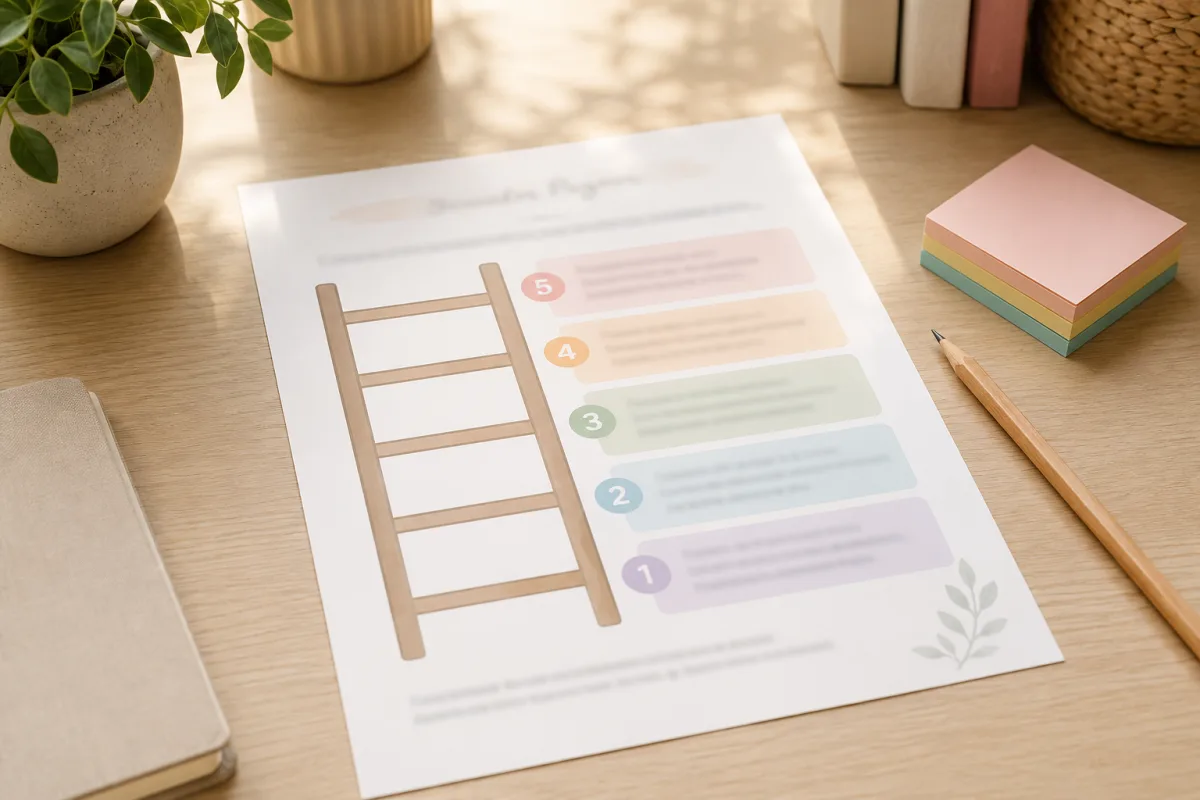
Write five steps from easiest to hardest. Practice the lowest step until it no longer feels like a threat.
Then move up one rung. Do not jump from silence to a packed room if the middle steps are missing.
Practice Under Low Pressure
Low-pressure practice helps the body learn before stakes rise.
If sports pressure is the issue, Livecub's sports tryout nerves guide can help make practice and evaluation feel less tangled.
Use The Body
Confidence is not only a thought. Sleep, food, movement, breathing, posture, and pain all affect how brave a person feels.
If your body is exhausted, even a small task can feel like a verdict.
Build Evidence
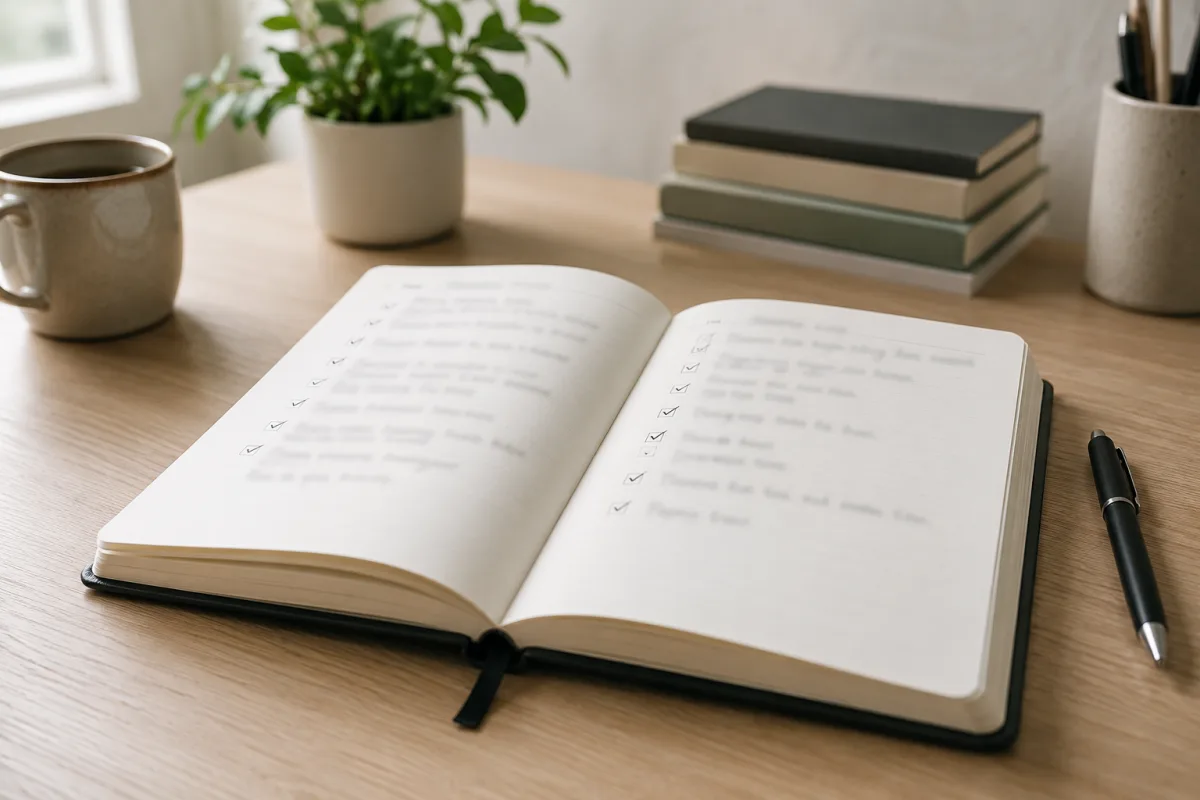
Keep a proof log. Write down what you did, not whether you felt amazing.
A proof log might say: asked the question, stayed in the room, practiced ten minutes, cooked dinner, made the call.
Watch Self-Talk
NHS recommends challenging unkind thoughts and noticing what you are good at as part of raising low self-esteem: NHS self-esteem tips.
The goal is not fake praise. The goal is accurate coaching.
Get Specific Feedback
Vague reassurance fades. Specific feedback gives you something to repeat or adjust.
Ask one person: what worked, what should I change, and what should I practice next?
Rehearse Out Loud
If the task involves speaking, rehearse out loud. Silent rehearsal does not train the mouth, breath, and timing in the same way.
Livecub's stage fright guide can help if fear spikes when people are watching.
Use If Then Planning
Confidence improves when the next action is already chosen. If it is Monday at nine, then I open the file. If I panic, then I breathe and read the first sentence.
A cue-action plan reduces the number of decisions between fear and action.
Learn The Missing Skill
Sometimes confidence is low because the skill is missing. That is good news because skills can be taught.
Find one lesson, one coach, one tutorial, or one practice partner. Do not turn the missing lesson into a personal insult.
Reduce Comparison
Comparison can be useful only when it points to a practice step. Otherwise, it drains attention.
Ask what the other person practiced, what support they had, and what one step you can copy in your own life.
Use Social Support
A supportive person can remind you of facts when fear turns loud.
Choose someone who can ask about the next step without making you feel small.
Confidence And Health Habits
Health habits can build self-trust because they are repeated proof that you show up for yourself.
Livecub's food journal guide can help readers notice food, energy, mood, and follow-through patterns.
Confidence At Any Age
Confidence can be rebuilt after retirement, illness, grief, divorce, a job loss, or a long stretch of caregiving.
Livecub's motivating elderly loved ones guide can help families support older adults without taking over.
Communication Limits
For some people, communication fears need patience and clinical support, especially when speech shuts down in certain settings.
Livecub's selective mutism guide can help readers understand why pressure is not the same as confidence building.
Use Self-Efficacy
APA describes self-efficacy as belief in the ability to meet a challenge or complete a task: APA self-efficacy.
Build that belief through repeated mastery, useful models, realistic encouragement, and learning what body signals mean.
Handle A Bad Day
A bad day does not erase confidence. It shows where the plan needs a smaller version.
Return with the easiest useful action instead of waiting to feel reset.
Stop Waiting For Fear To Leave
Fear may come along for the first few attempts. That does not mean the attempt is wrong.
The first aim is not fearless confidence. It is enough steadiness to take one safe, chosen step.
Make Confidence Visible
Put the next action where you can see it. Leave the notebook open, put the shoes by the door, or keep the question on a card.
Visible cues help when confidence is not loud enough to remind you.
Practice Asking
Many people lose confidence because they avoid asking for what they need.
Practice small asks: a clarification, a different time, a receipt, a seat, a turn, or a few minutes to think.
Practice Saying No
Saying no is a confidence skill because it proves your time and limits count.
Start with a short answer. No thank you, I cannot do that, or that does not work for me is enough.
Stop Rehearsing Every Disaster
Planning is useful. Rehearsing every possible embarrassment usually makes the task feel larger.
Give yourself one plan for the likely problem, then return attention to the first action.
Change The Room
The environment can make a brave action easier or harder. Move away from the phone, sit near the door, or choose a calmer practice place.
Confidence is not only inside the person. It is also shaped by friction around the action.
Repair After Mistakes
A confident person is not someone who never stumbles. A confident person has repair skills.
Practice saying I misspoke, I need to correct that, I am sorry, or let me try again.
Choose Better Rooms
Some rooms punish beginners. Others allow questions, practice, and ordinary awkwardness.
Spend more time with people and groups where effort is treated as normal.
Build Competence Habits
Confidence grows when daily life contains small acts of competence: cooking, cleaning, movement, study, money tracking, or showing up on time.
These habits are not glamorous. They quietly teach self-trust.
Dress For The Task
Clothes do not create worth, but they can reduce distraction if they fit the task and body.
Choose comfort, movement, and context over trying to look like someone else.
Review Weekly
Once a week, review what you tried, what you avoided, and what felt easier than last time.
Pick one adjustment for the next week. Do not turn review into a trial.
Repeat Before You Judge
One attempt is not enough evidence. Try the practice several times before deciding what it means.
The first try often measures nerves. Later tries tell you more about skill.
Move From Private To Public
Practice privately first, then with one trusted person, then in a slightly larger setting.
This step-by-step exposure helps confidence grow without forcing the nervous system too fast.
Know When To Ask For Help
Ask for professional help if low confidence comes with panic, depression, trauma symptoms, self-harm thoughts, eating problems, or severe avoidance.
Getting help is not the opposite of confidence. It is often the structure that lets confidence grow.
Frequently Asked Questions
How do I get self confidence quickly?
Pick one small action, do it today, and record the proof. Confidence grows faster from action than from waiting to feel ready.
Can shy people become confident?
Yes. Shyness and confidence can exist together. A shy person can still practice, speak, ask, lead, and set boundaries.
What if I fail?
Treat failure as feedback. Ask what was missing, what needs practice, and what smaller step should come next.
Does positive thinking build confidence?
Helpful self-talk can support confidence, but it works best when paired with practice, support, and real evidence.
When should I get support?
Get support if low confidence causes severe avoidance, panic, depression, trauma symptoms, or thoughts of harming yourself.
To get self confidence, stop waiting for a perfect feeling. Pick one area, take one small action, record the proof, and repeat until the next step feels less threatening.

Linda Fehrman
Edits general wellness and relationship explainers. Health material is educational, avoids diagnosis and links to health-authority guidance.




Leave a reply
Replying to