

How to Raise a Self Confidant Child is really about raising a child who feels loved, capable, and allowed to learn. Confidence grows through repeated experiences, not through constant praise or pressure to be impressive.
Children build confidence when adults give warmth, clear limits, age-appropriate choices, honest feedback, chances to practice, and repair after hard moments. The work is ordinary and daily.
Lead With Warmth
A confident child usually starts with feeling safe. Warmth means the child knows they are loved even when behavior needs correction.
CDC positive parenting resources cover development, safety, health, and ways parents can support children at different ages: CDC positive parenting tips.
Warmth is not permissiveness. It is the emotional ground where limits can actually be heard.
Praise Effort And Strategy
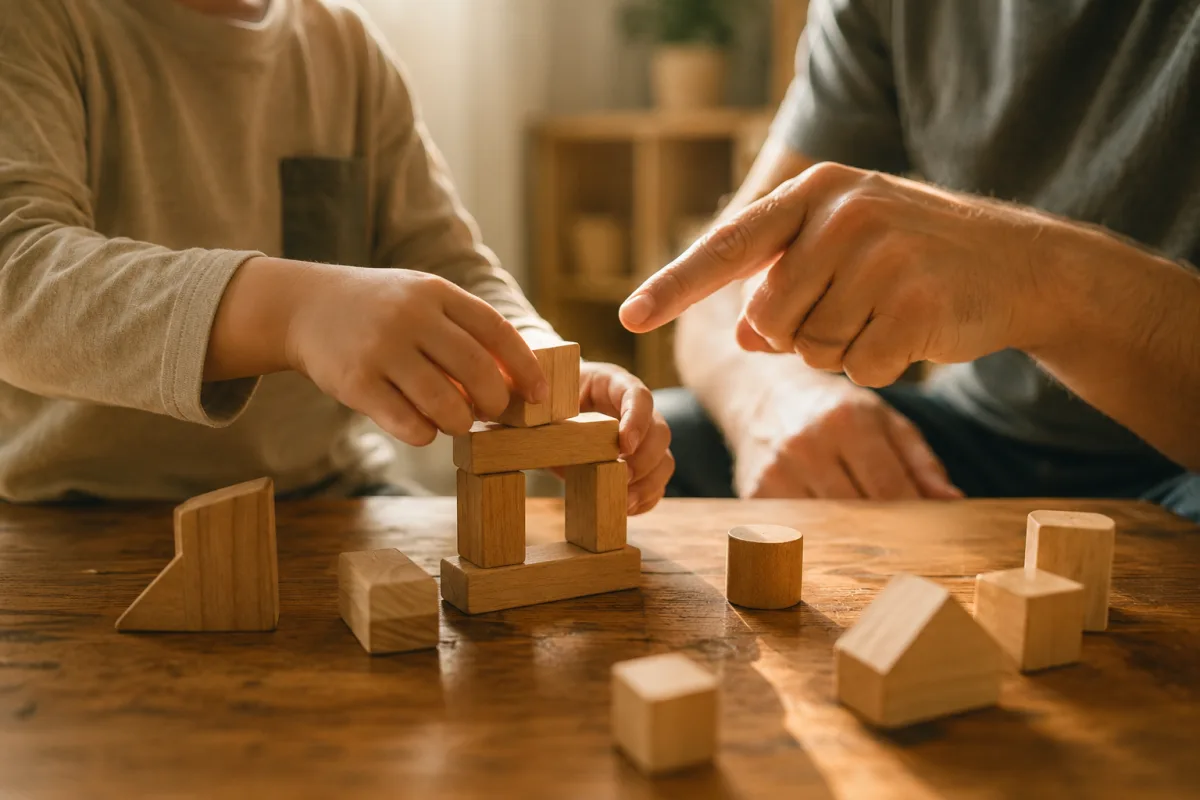
Generic praise can become background noise. Specific praise teaches: you kept trying, you asked for help, you used a calm voice, you fixed the mistake.
UC Davis Children's Hospital explains that praise can build self-esteem, teach expectations, and shape behavior when it is tied to what the child did: UC Davis positive parenting.
Praise the process more than the label. A child who hears you worked hard has a clearer path than a child who hears you are the smart one.
Let Them Do Real Tasks

Confidence needs evidence. Give children jobs that matter: feeding a pet, setting the table, packing a backpack, choosing clothes, helping with groceries, or solving a small problem.
The task should be possible with effort. If adults jump in too quickly, the child learns that struggle means someone else takes over.
For younger independence steps, getting kids off pull-ups shows how progress works better when adults are patient and practical.
Use Mistakes As Practice

A child cannot become confident if every mistake becomes a family event. Treat mistakes as information: what happened, what can be repaired, and what can be tried next time.
Avoid saying you always or you never. Those words turn one moment into an identity.
Children need to see adults repair mistakes too. A parent apology can teach confidence because it shows that mistakes are survivable.
Give Age-Appropriate Choices
Choices build agency. Offer two or three real options: blue shirt or green shirt, homework before snack or after snack, read first or bath first.
Do not offer a choice if there is no choice. Say the limit clearly, then give a small area of control inside it.
Children who practice small choices are better prepared for larger decisions later.
Build Emotional Language
Confidence is not only boldness. A confident child can say I am nervous, I need help, I am angry, or I want to try again.
Name feelings without turning them into commands. You look frustrated; do you want help or a minute?
For younger children, emotion coaching also helps with storms. toddler tantrum survival ideas can help parents keep behavior and emotion separate.
Avoid Comparing Siblings
Comparison teaches children to measure worth against someone else. It can create pride in one child and shame in another.
Compare the child with their own past effort instead: last month this was hard, and today you stayed with it longer.
If siblings have different temperaments, say that out loud without ranking them.
Make Home Predictable
Predictability helps children try. Clear routines around sleep, meals, school, chores, and screen time reduce the feeling that life changes without warning.
Predictable does not mean rigid. It means the child knows the usual shape of the day and the adult's response.
For physical safety, room-by-room baby-proofing is a younger-child example of designing the home around real behavior.
Let Them See You Learn
Children learn from adult effort. Let them see you practice a recipe, fix a mistake, ask for advice, or try something difficult without mocking yourself.
Say, I do not know yet, so I am learning. That sentence gives a child permission not to know yet.
Confidence grows when learning is normal at home.
Teach Body Confidence Carefully
Avoid making a child's body the main topic of praise or criticism. Talk about what bodies can do: run, rest, hug, heal, dance, climb, breathe, and signal feelings.
If health habits need attention, frame them around energy, sleep, strength, or comfort rather than appearance.
A child who feels respected in their body has a steadier base for confidence.
Support Different Timelines
Some children speak early, some climb early, some read early, some need more time. Confidence is harmed when adults treat every slower area as a crisis.
Raising Children Network says self-esteem helps children try new things, face challenges, and try again when things do not go as planned: Raising Children self-esteem.
If development, speech, movement, hearing, vision, or behavior worries you, ask a pediatrician or qualified professional instead of guessing.
Use Correction Without Humiliation
Correction should teach the next behavior. Humiliation teaches hiding, lying, or giving up.
Get close, lower your voice, name the behavior, and give the next step. Public lectures rarely build confidence.
After correction, reconnect. A child should know the relationship is still intact.
Protect Their Voice
Let children have opinions about low-risk parts of life: hobbies, books, clothes, room setup, snacks, or weekend plans.
Listening does not mean agreeing with every request. It means the child learns their thoughts are worth hearing.
That sense of being heard becomes part of confidence.
Practice Brave But Safe Steps
Confidence grows when children do slightly hard things with enough support. A brave step might be ordering food, greeting a neighbor, trying a class, or asking the teacher a question.
Keep the step small enough that the child can recover if it feels awkward. Do not turn courage into a public performance.
Afterward, talk about what they tried rather than whether it looked perfect.
Use School Feedback Carefully
School can strengthen confidence or shake it. Ask teachers for specific patterns: participation, friendships, frustration, persistence, reading, writing, sports, or asking for help.
Bring the information home without making the child feel studied. Say, we are figuring out what helps you learn, not what is wrong with you.
If a child is being teased, excluded, or compared, treat that as a real confidence issue and work with the school.
Do Not Make Confidence A Performance
A child can be confident and quiet. They do not need to entertain adults, hug on command, speak to every stranger, or act fearless.
Respecting temperament helps children trust themselves. Push skills gently, but do not punish personality.
The goal is inner steadiness, not a child who looks bold for adult approval.
Keep Repair Fast
Every parent gets tired and says the wrong thing sometimes. Repair quickly: I was too sharp, I am sorry, and we can try that again.
Fast repair teaches that conflict does not destroy love. That is part of confidence too.
A home where repair is normal gives children room to be honest about their own mistakes.
Teach Competence Before Confidence
Children often feel confident after they become more competent, not before. Teach the steps of a task instead of only encouraging belief.
Show, practice together, watch them try, and then step back. That sequence gives the child both skill and trust.
A child who can do real things has a quieter, sturdier confidence than a child who has only been told they are special.
Protect Rest And Food
Tired, hungry children look less confident because self-control and frustration tolerance drop. Confidence is harder when the body is running on fumes.
Before assuming a child lacks courage, check sleep, meals, sensory overload, illness, and schedule pressure.
Basic care is not separate from confidence. It is part of the foundation.
Let Confidence Grow Privately
Some children need private practice before public trying. Let them rehearse a greeting, a presentation, a sport skill, or a hard sentence at home first.
Private practice lowers the threat. It also tells the child that confidence is allowed to grow quietly.
Do not announce every brave step to relatives or social media. A child may stop trying if every effort becomes a story.
Ask permission before sharing praise outside the moment. Respect can build confidence as much as encouragement.
Frequently Asked Questions
What builds confidence in a child?
Warmth, specific praise, real tasks, safe mistakes, choices, emotional language, and predictable routines all help.
Can too much praise hurt confidence?
Praise can backfire when it is constant, vague, or focused only on traits. Specific praise is usually more useful.
Should I push a shy child?
Support small brave steps without forcing performance. Shy children can still become confident.
How do mistakes help confidence?
Mistakes teach recovery when adults respond with calm repair and next steps instead of shame.
When should I seek help?
Ask a professional if worries about development, anxiety, mood, speech, learning, or behavior persist.

Linda Fehrman
Edits general wellness and relationship explainers. Health material is educational, avoids diagnosis and links to health-authority guidance.



Leave a reply
Replying to