
How to Get Kids Off Pull-Ups starts with readiness, not a calendar date. Pull-Ups can be useful during toilet learning, but they can also keep a child feeling like diapers are still the main plan. The transition works better when the child has body signals, a simple routine, and calm adults.
This article is general parenting education, not medical advice. Talk with your pediatrician if your child has pain, constipation, blood in stool or urine, repeated urinary tract infections, developmental delays, sudden regression, extreme fear of the toilet, or daytime wetting after age expectations should be discussed.
Check Readiness First
Toilet readiness is partly physical and partly emotional. Signs include staying dry for longer stretches, noticing wet or dirty diapers, hiding to poop, following simple directions, sitting briefly, pulling pants up and down, and showing interest in the toilet.
HealthyChildren.org from the American Academy of Pediatrics explains in its toilet training guidance that readiness varies and pressure can slow progress. A child who is not ready may resist harder when Pull-Ups disappear.
Use Pull-Ups On Purpose
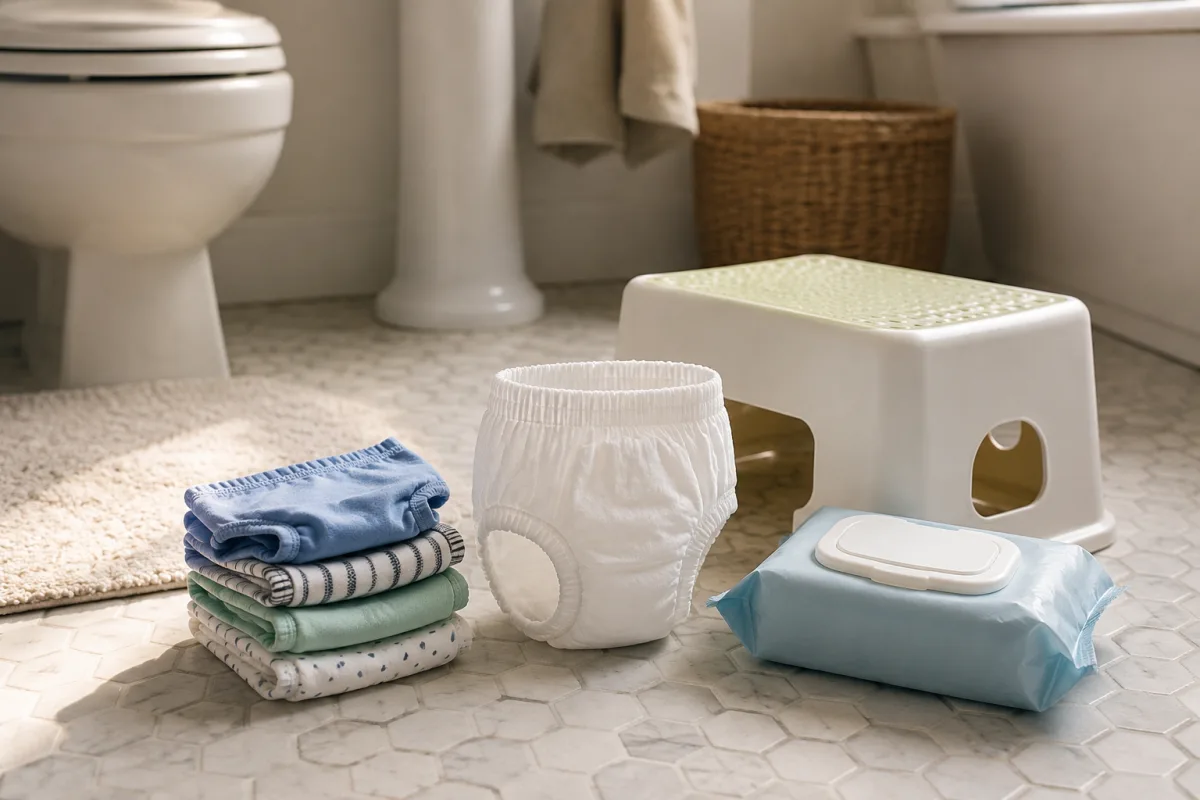
Decide what Pull-Ups are for. Some families use them only for sleep, car rides, daycare backup, or outings. Others use underwear at home and Pull-Ups outside. The key is to avoid switching randomly in a way that confuses the child.
If tantrums are part of the transition, Livecub's toddler tantrums guide can help keep the boundary calm while emotions run high.
Name The New Plan
Use simple language: "Pull-Ups are for sleep now. Underwear is for daytime." Avoid speeches about being a big kid if that creates pressure. Some children like choosing underwear; others do better when adults quietly set the routine.
Let the child know what happens after accidents. "Pee goes in the toilet. Clothes go in the wash. We try again." Calm repetition teaches more than shame.
Start With Predictable Times
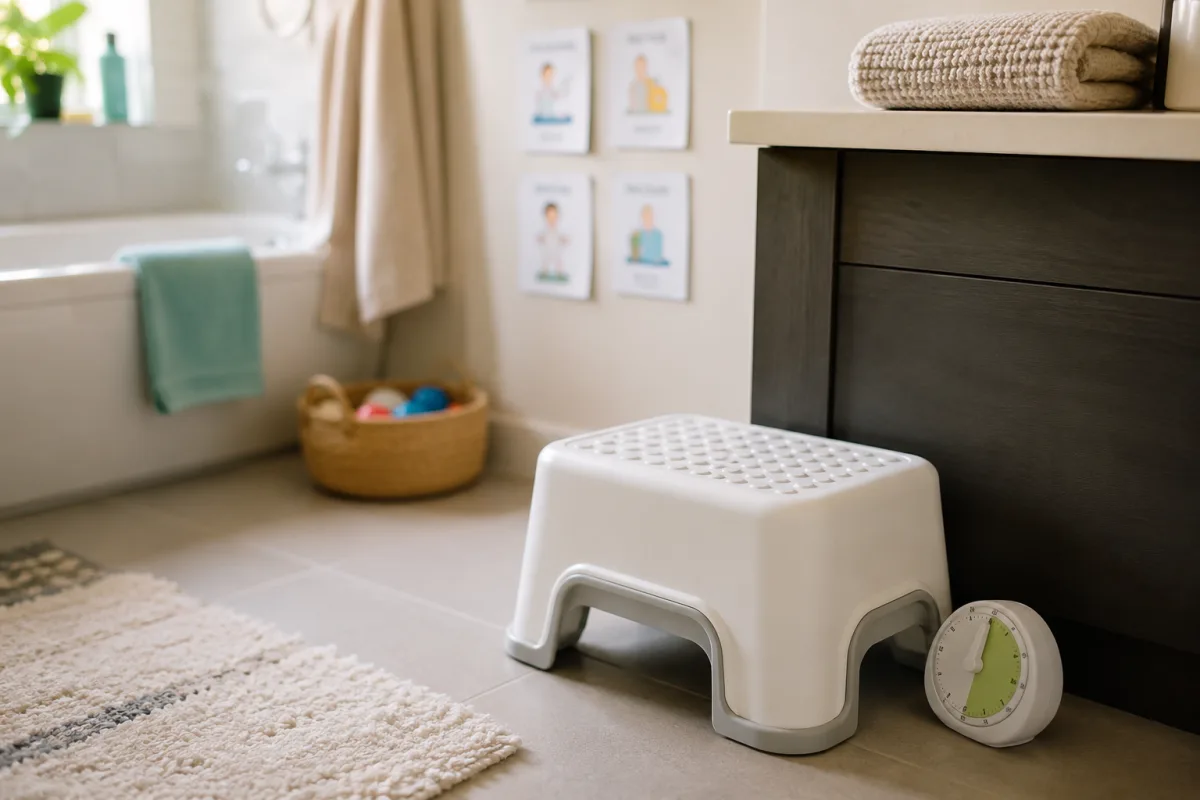
Build toilet sits around natural body rhythms: after waking, after meals, before leaving home, before bath, and before bed. Keep sits short. A child who sits for ten tense minutes may start avoiding the bathroom.
Mayo Clinic's potty training guidance recommends watching for readiness and using patience, praise, and routine rather than punishment.
Make Clothing Easy
Complicated snaps, tight leggings, overalls, and belts can turn a small urge into an accident. Use pants that slide down quickly. Keep spare clothes where accidents happen: car, daycare bag, bathroom, and bedroom.
For younger siblings and home routines, Livecub's infant washing guide and baby-proofing guide can help reduce background stress while one child is toilet learning.
Handle Poop Separately
Many children pee in the toilet before they poop there. Poop can feel scarier because it takes longer, smells stronger, and may be linked with constipation. If stools are hard or painful, address that with the pediatrician before pushing underwear.
Do not punish poop accidents. Pain and shame can create withholding, which makes constipation worse and toilet learning harder.
Use Rewards Carefully
Small rewards can help some children: stickers, a song, flushing privilege, or praise for trying. Avoid huge prizes that turn every bathroom trip into a negotiation. Praise effort, not only success.
Try phrases such as "You listened to your body" or "You sat and tried." This teaches the skill behind the outcome.
Daycare And Caregivers
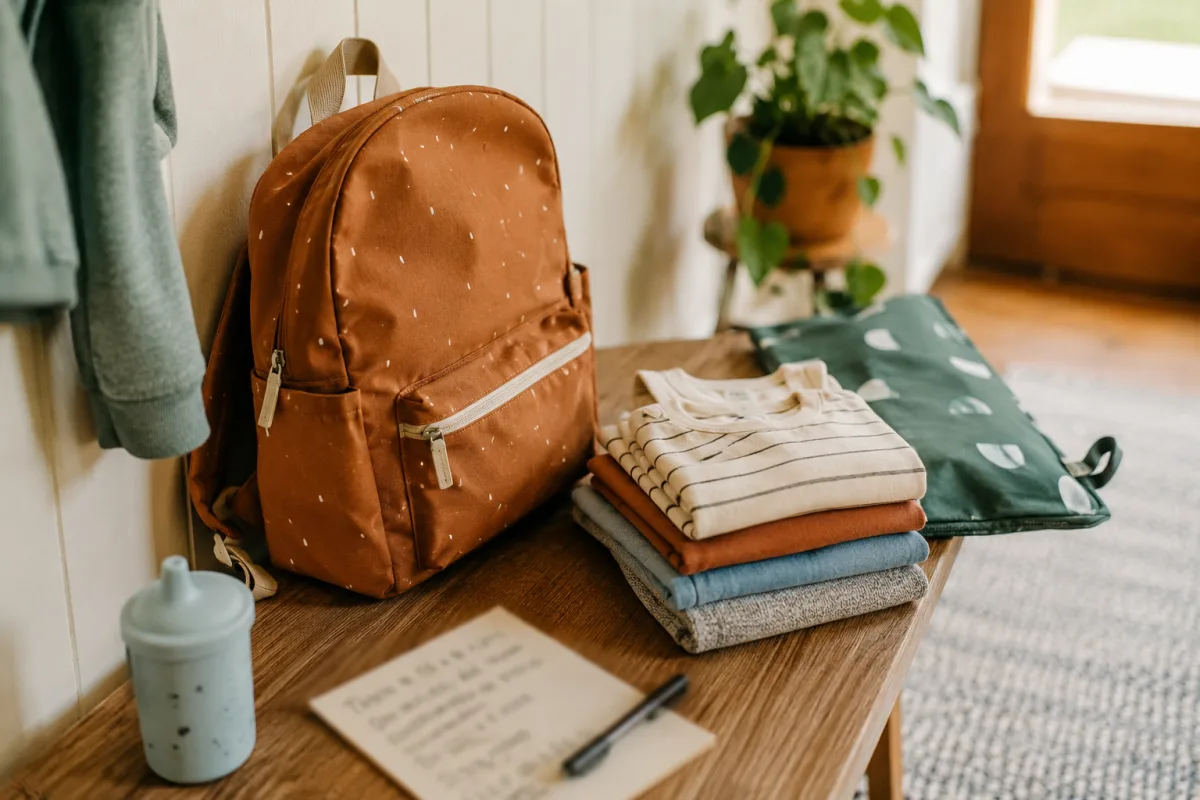
Talk with daycare, grandparents, and babysitters before changing the plan. Ask what they can realistically support. Some settings require Pull-Ups during transition. Others prefer underwear with extra clothes.
Write the plan down: bathroom times, words to use, whether Pull-Ups are for nap, what happens after accidents, and who supplies clothing. Consistency between adults helps the child understand.
Nighttime Is Different
Night dryness depends on sleep, bladder capacity, hormones, and development. A child can be daytime trained and still need Pull-Ups at night. That is not failure. Many children need more time for night dryness.
The Cleveland Clinic potty training overview notes that every child develops at a different pace. Nighttime should be treated as a separate skill.
Regression Happens
New siblings, moving, illness, travel, daycare changes, constipation, fear, or stress can bring accidents back. Return to routine without dramatic language. If regression is sudden, persistent, painful, or paired with medical symptoms, call the pediatrician.
If a younger baby in the home has feeding or skin issues, Livecub's newborn hiccups guide and baby rash guide may help lower the household load.
When To Pause
Pause if the child is terrified, constipated, sick, newly grieving, or every bathroom visit turns into a fight. A pause is not giving up. It can prevent the toilet from becoming a power struggle.
Restart with one easy routine, such as morning sit or after-dinner sit, before dropping Pull-Ups again.
Use A Bathroom Script
Pick the words everyone will use. "Pee goes in the toilet." "Poop goes in the toilet." "Accidents happen. We clean up." Avoid words that make body functions sound dirty or shameful. A neutral script keeps the mood steady.
Use the same script after success and after accidents. Children learn faster when the adults do not change tone every time the laundry changes.
Outings And Car Rides
For the first few weeks, plan shorter outings. Offer the toilet before leaving, when arriving, and before the ride home. Keep a travel potty or know where bathrooms are. Pack wipes, clothes, a wet bag, and shoes if accidents soak socks.
If Pull-Ups are only for car rides, say that clearly. "This is for the car. We still try the toilet when we arrive."
What Not To Do
Do not shame, compare siblings, call the child a baby, punish accidents, or force long sits. Do not start a major transition during a week when everyone is already stretched thin. Toilet learning needs repetition and patience.
If you feel yourself getting angry, step back, clean the child safely, and revisit the plan when you are calm.
Constipation Can Stall Progress
Constipation is one of the most common reasons a child seems ready for pee but resists poop. A child who has had painful stools may hold poop, hide, ask for a Pull-Up, or avoid sitting long enough to relax. That is a body-protection habit, not bad behavior.
Watch for hard stools, belly pain, skid marks, very large stools, or days without pooping. If any of those show up, handle the stool problem before making underwear the main battle.
Protect The Child's Privacy
Toilet learning can become family entertainment by accident. Grandparents ask for updates, siblings laugh, and adults talk about accidents in front of the child. Keep details private. A child who feels watched may hold everything until alone.
Use quiet praise and quiet cleanup. The less dramatic the adults are, the easier it is for the child to treat toileting as a normal body skill.
Review The Plan After Two Weeks
Give a plan enough time to show patterns. After two weeks, look at what actually happened: dry mornings, after-meal poop, daycare accidents, car ride leaks, or refusal before bedtime. Patterns tell you where the routine needs help.
If nothing is improving, do not simply push harder. Simplify the plan, check constipation, check fear, ask caregivers what they see, and consider whether your child needs a slower step down from Pull-Ups.
Also notice where success already happens. A child who stays dry all morning may be ready for underwear before lunch, even if afternoons still need backup. Partial progress gives you the next step.
Frequently Asked Questions
What age should kids stop using Pull-Ups?
There is no single age. Readiness, daytime dryness, interest, and medical factors matter more than the calendar.
Should I switch straight to underwear?
Some children do well; others need staged use for naps, night, daycare, or outings.
Are accidents a setback?
No. Accidents are part of learning unless they are sudden, painful, frequent, or medically concerning.
Should I wake my child to pee at night?
Ask your pediatrician. Night dryness develops separately and forced waking can disrupt sleep.
What if my child refuses the toilet?
Lower pressure, check constipation, make sits brief, and ask for help if fear is intense.
The Pull-Up Exit Plan
Get kids off Pull-Ups by checking readiness, using Pull-Ups only for defined situations, building predictable toilet sits, keeping clothes simple, coordinating caregivers, and treating accidents calmly. The goal is body awareness and confidence, not a perfect week.

Chiara Bradshaw
Covers education, culture and creative topics with an emphasis on readable explanations and verifiable references.


Leave a reply
Replying to