
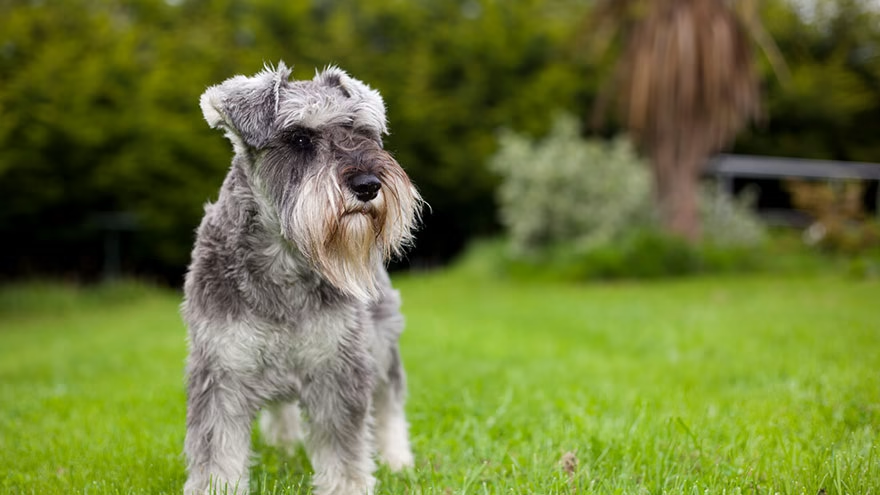
Miniature Schnauzer breed information should make one thing clear from the start: this is a small dog with a big terrier engine, not a decorative lap ornament. The breed is portable, low-shedding, alert, clever, and often deeply attached to its household. It also needs grooming, training, calorie control, and health awareness around eyes, heart screening, fat metabolism, and pancreatitis risk. A Miniature Schnauzer can fit an apartment or a busy family, but only if the owner enjoys a dog that notices everything and wants to participate.
What kind of dog is a Miniature Schnauzer?
AKC describes the Miniature Schnauzer as the smallest Schnauzer breed and a generally healthy, long-lived, low-shedding companion with an outgoing personality. Its Miniature Schnauzer breed page is a good baseline for size, coat, temperament, and owner expectations.
The breed came from farm and ratting work, which explains the alert face, quick reactions, and tendency to patrol the home. Many are affectionate with family and polite with strangers after socialization, but they are not usually indifferent. They hear the delivery truck before you do.
If you like a dog that watches the room and learns routines fast, this breed may be a match. If you want a silent, passive dog, it may feel like too much commentary in a small body.
That alertness can be an advantage when it is guided. A Miniature Schnauzer often tells the household something changed, then needs training to stop telling the story. Owners should plan for a bark cue, a quiet cue, and enough daily activity that the dog is not inventing patrol duty out of boredom.
How big is a Miniature Schnauzer and what does the coat require?
Most Miniature Schnauzers are small enough to be portable but sturdy enough to enjoy real walks. The square body, beard, eyebrows, and harsh-looking coat create the classic outline. That coat is one reason many allergy-sensitive homes consider the breed, but low-shedding does not mean no grooming.
The coat needs brushing, trimming, and regular care around the beard, legs, and furnishings. Food and water can collect in the beard. Mats can form where the legs rub. Ears, nails, and teeth need the same attention as the haircut.
Owners who have read about grooming a longhair Dachshund already know the principle: coat style should match the household's maintenance capacity. A tidy pet clip is often kinder than a showy outline nobody can maintain.
Dental care belongs in the same grooming routine. Small breeds can develop painful dental disease before owners see loose teeth. Add brushing practice, vet dental checks, nail trims, beard cleaning, and ear inspection to the calendar instead of treating them as separate chores.
What temperament should owners expect?
Expect intelligence, alertness, and a sense of humor. Miniature Schnauzers often learn quickly, but quick learning includes barking at windows, demanding attention, and inventing jobs. They need reward-based training, early socialization, and clear household rules.
Watchdog behavior is normal for many individuals, but nonstop barking should not be excused as breed charm. Teach a cue for alerting and a cue for stopping. Reward quiet. Manage window access if the dog rehearses barking all afternoon.
The breed often does well with families that want interaction. Children should still be taught to respect the dog's beard, resting place, and body. A small dog can be brave and still dislike rough handling.
Early socialization should include ordinary life: doorbells, grooming tables, visitors, calm dogs, car rides, vet handling, and being alone for short periods. A clever terrier that has seen only its own household may become noisy or suspicious when the world gets bigger.
What health issues deserve attention?
The American Miniature Schnauzer Club notes that hyperlipidemia, an inability to process fats properly, may be found in Miniature Schnauzers and is often controlled by diet. The club's hyperlipidemia page also reminds owners to discuss individual needs with a veterinarian.
Fat metabolism matters because it can connect with pancreatitis risk. Avoid rich table scraps, holiday leftovers, bacon, fatty meat, and "just a bite" habits. A small dog does not need much fat to get into trouble. Ask the vet whether blood lipid monitoring makes sense for your dog.
AMSC's canine health topic page lists recommended testing that includes annual ACVO eye examination with results registered with OFA and cardiac evaluation options. You can review the club's canine health topics page for those testing recommendations.
Owners should also watch for repeated vomiting, abdominal pain, loss of appetite, diarrhea, sudden weakness, cloudy eyes, excessive thirst, or unexplained weight change. These are not breed quirks. They are reasons to call the veterinarian, especially if rich food or table scraps were involved.
Ask breeders about eye results, cardiac evaluation, pancreatitis history, urinary stones, diabetes, allergies, and temperament in relatives. Good breeders can talk about what they are trying to reduce, not only what makes puppies cute.
How much exercise and training does this breed need?
A Miniature Schnauzer needs daily movement and daily mental work. Walks, short training sessions, scent games, food puzzles, polite greeting practice, and fetch in a safe area all help. The breed is small, but boredom can become barking or mischief.
Training works best in short, upbeat sessions. Reward the behavior you want before the dog writes its own job description. Teach leash manners early, because a terrier mind in a little body can still pull, lunge, or shout at other dogs.
Give the dog legal jobs. Hide a few treats for scent work, teach a settle mat, practice polite doorway behavior, and rotate toys. Five minutes of thinking can be more useful than another lap around the block when the dog is already physically tired.
Breed comparisons help here. Miniature Schnauzer common questions can sit beside Maltese common questions for a useful contrast: both are small companions, but the Schnauzer usually brings more terrier edge.
Who is a Miniature Schnauzer best for?
This breed suits people who like engagement. It can work in apartments, suburbs, and active households if barking is managed and exercise is reliable. It can be a good travel-size companion, a family dog, or a lively dog-sport partner.
It may not suit owners who dislike grooming bills, want a very quiet dog, or plan to feed from the table often. It also deserves a breeder who understands health testing. General advice in Brittany Spaniel breeder recommendations applies here too: ask for proof, meet dogs, and choose transparency over charm.
The right home gives the Miniature Schnauzer jobs, boundaries, grooming, lean food habits, and attention. In return, the dog usually gives a great deal of personality in a compact frame.
Food boundaries are part of that home. This breed's expressive face makes begging effective, but fatty leftovers are a poor trade for a few seconds of joy. Use measured meals, training treats counted from the daily portion, and a house rule that guests do not feed from plates.
Keep a monthly body check as well. Feel the ribs, look at the waist, check for lumps, smell the ears, lift the beard, and watch the eyes in bright and dim light. Small dogs can hide change under hair and habit.
If the household is gone for long workdays, plan enrichment before problems start. A morning walk, puzzle feeder, safe chew, midday help, or training session after work can prevent the barking spiral that makes neighbors and owners frustrated.
A settle cue is useful in nearly every home. Practice on a mat after exercise, reward quiet breathing, and end before the dog pops up to patrol again through windows and hallways during busy evening hours indoors daily.
Frequently Asked Questions
Are Miniature Schnauzers good apartment dogs?
They can be, if barking is trained and daily exercise happens. Their size helps, but their alert temperament needs management.
Do Miniature Schnauzers shed?
They are generally low-shedding, but the coat still needs brushing, clipping or stripping, beard care, ear checks, and professional grooming.
Are Miniature Schnauzers prone to pancreatitis?
They are often discussed in relation to hyperlipidemia and pancreatitis risk. Avoid fatty foods and ask your veterinarian about diet and monitoring.
Are Miniature Schnauzers easy to train?
They are smart and responsive, but they can be independent. Short reward-based sessions, early socialization, and consistency work better than harsh correction.
The Miniature Schnauzer is best understood as a compact working companion. Keep the coat tidy, the body lean, the mind busy, and the food boring enough to protect the pancreas.

Chiara Bradshaw
Covers education, culture and creative topics with an emphasis on readable explanations and verifiable references.

Leave a reply
Replying to