
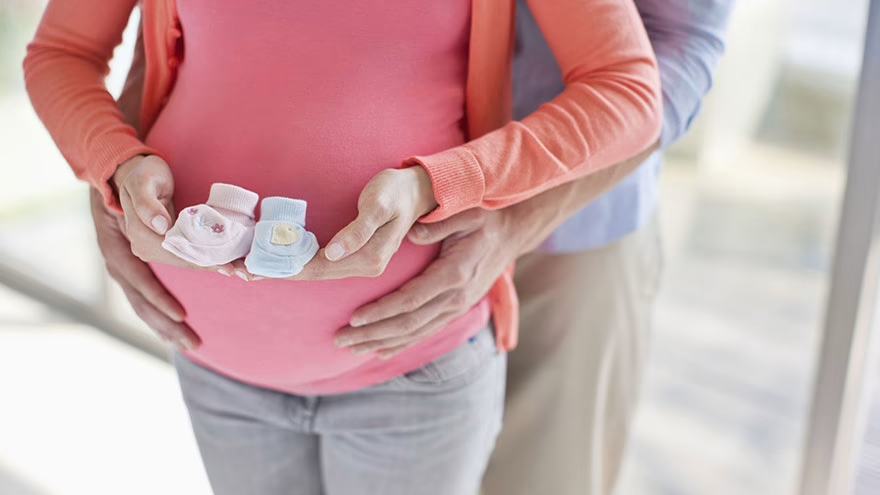
Nutrition for a Twin Pregnancy is not about eating for three in a literal way. Carrying twins often means higher needs for calories, protein, iron, folate, calcium, fluids, and medical monitoring, but the right plan depends on pre-pregnancy weight, nausea, anemia risk, growth scans, activity level, and advice from your obstetric team.
This article is educational and not medical advice. Twin pregnancies are higher risk than many singleton pregnancies. Ask your obstetrician, midwife, maternal-fetal medicine specialist, or registered dietitian about your own calorie, weight gain, supplement, and lab needs.
Start With Your Care Team
ACOG's multiple pregnancy FAQ explains that carrying multiples increases the chance of certain complications and usually means more frequent prenatal visits. Nutrition should be part of that medical follow-up, not a separate guessing game.
Bring a food log, supplement list, nausea pattern, weight history, and any lab results to visits. Livecub's first-week pregnancy signs article can help early readers separate early symptoms from the later nutrition planning needed in twin pregnancy.
Calories Need Context
Many twin pregnancy guides mention extra calories, but the number is not the same for everyone. A person who began pregnancy underweight, normal weight, overweight, or with severe nausea may need a different target. Rapid weight change should be discussed with the care team.
Mayo Clinic's twin pregnancy overview says mothers of twins may need more frequent checkups, more of certain nutrients, and more calories, while also noting that recommendations depend on the situation.
Protein At Each Meal

Protein supports maternal tissue, blood volume, placentas, and fetal growth. Eggs, Greek yogurt, beans, lentils, tofu, chicken, fish that is safe in pregnancy, lean meat, nuts, seeds, and cheese can help. If meat smells impossible, try cold proteins, smoothies, legumes, or dairy.
Spread protein across the day. A twin pregnancy can make large meals uncomfortable, so smaller protein-containing meals may work better than one giant dinner.
Iron And Anemia

Iron needs rise in pregnancy, and twin pregnancies can raise anemia risk. The March of Dimes anemia during pregnancy guide describes anemia symptoms and the need for testing and treatment. Do not self-treat with large iron doses without guidance, because iron can cause constipation and other side effects.
Pair iron-rich foods with vitamin C foods such as citrus, strawberries, bell peppers, or tomatoes. Ask whether your prenatal vitamin provides enough iron or whether you need a separate supplement.
Folate, Calcium, Vitamin D, And DHA
Prenatal vitamins matter, but they are not a license to eat poorly. Ask your clinician about folic acid or folate, calcium, vitamin D, iodine, choline, and DHA. Twin pregnancy may require closer attention to lab values and supplement timing.
Calcium-rich foods include milk, yogurt, fortified plant milks, calcium-set tofu, and leafy greens. DHA may come from low-mercury fish or supplements if your clinician recommends them.
Food Safety Matters More
Pregnancy raises the stakes for foodborne illness. Avoid unpasteurized dairy, unsafe deli handling, high-mercury fish, undercooked eggs, raw sprouts, and risky leftovers. Reheat foods properly and keep cold foods cold.
If nausea makes foods hard, Livecub's bland diets for pregnancy may help with gentle choices, but persistent vomiting or dehydration needs medical care.
Hydration And Constipation
More blood volume, nausea, constipation, and warm weather can make hydration harder. Keep water nearby and use soups, fruit, smoothies, and electrolyte drinks if your clinician approves. Sudden swelling, severe headache, vision changes, or high blood pressure symptoms need prompt medical attention.
Fiber from oats, beans, fruit, vegetables, and whole grains can help constipation, but increase fiber gradually and drink enough fluids.
Easy Calorie Boosters

If your care team wants more intake, add nutrient-dense extras: nut butter on toast, avocado, olive oil on vegetables, yogurt smoothies, trail mix, cheese, hummus, eggs, or fortified oatmeal. Calories from sweets alone may not help iron, protein, or micronutrient needs.
Choose foods you can tolerate. Twin pregnancy can compress the stomach, so small meals often beat large plates.
Weight Gain And Growth Monitoring
Weight gain is only one signal. Ultrasound growth, blood pressure, urine checks, anemia labs, symptoms, and fetal monitoring all matter. Do not compare your twin pregnancy to someone else's singleton pregnancy.
If body image feels difficult, Livecub's feeling attractive during pregnancy and staying intimate during pregnancy may help with the emotional side of body change.
Mood And Support
Food planning can feel heavy when nausea, fatigue, appointments, money, and fear stack up. Ask for help with grocery lists, cooking, freezer meals, and snacks. A twin pregnancy is not the time to prove you can carry everything alone.
For emotional strain, Livecub's depression during pregnancy guide and emotional support during early labor can support broader planning, but urgent mood symptoms need professional help.
Gestational Diabetes Planning
Some twin pregnancies are monitored closely for gestational diabetes. If screening shows high blood sugar, nutrition advice may change. The focus may shift toward steady carbohydrates, protein pairing, meal timing, and glucose monitoring.
Do not start a restrictive diet without medical guidance. Babies still need growth support, and the pregnant person still needs enough energy. A dietitian can help build meals that meet both goals.
Meal Timing When Space Is Tight
As the uterus grows, reflux and early fullness can make large meals difficult. Try smaller meals and snacks every few hours if your care team agrees. Keep easy foods nearby: yogurt, nuts, cheese, fruit, whole-grain crackers, hummus, boiled eggs, soup, or smoothies.
Late-night hunger can happen, but heavy meals right before lying down may worsen heartburn. A balanced snack may work better than skipping food or eating a large plate at once.
What To Bring To Appointments
Bring questions about weight gain, swelling, anemia labs, supplements, constipation, nausea, and fetal growth. If you track meals, keep it simple. A few days of honest notes can be more useful than a perfect chart that is too hard to maintain.
Ask which symptoms should trigger a call between visits. Twin pregnancy care often depends on acting early when symptoms change.
Budget-Friendly Nutrition
Twin pregnancy can raise grocery costs, but nutritious food does not have to be fancy. Beans, lentils, eggs, oats, frozen vegetables, canned salmon or sardines if safe for you, peanut butter, yogurt, rice, potatoes, and seasonal fruit can help build meals.
If food access is a problem, ask the clinic about WIC, food pantries, social work, or local pregnancy support programs. Nutrition advice is easier to follow when the food is actually available.
Supplements And Timing
Prenatal vitamins can upset the stomach. Some people tolerate them better with food or at night. Iron may be separated from calcium if your clinician recommends that, because calcium can reduce iron absorption. Follow the plan given to you, not a random supplement schedule.
Tell your care team about gummies, herbs, teas, powders, and over-the-counter products. Natural does not always mean safe in pregnancy.
Red Flags Around Eating
Call your clinician if you cannot keep fluids down, lose weight, feel faint, have signs of dehydration, stop urinating normally, or feel unable to eat for more than a short period. Twin pregnancy can leave less room for delay when symptoms worsen.
Also ask for help if food rules become obsessive or frightening. Pregnancy nutrition should support health, not create constant fear around every bite.
If meals feel impossible, ask for practical steps rather than waiting for the next routine visit. Earlier help can prevent dehydration, anemia, or unnecessary weight stress during the week ahead safely.
Frequently Asked Questions
Do I need twice as many calories with twins?
No. Needs rise, but the amount depends on your body, trimester, weight gain, symptoms, and medical advice.
How much protein do I need?
Ask your care team. Many people need more protein with twins, but the target should be individualized.
Should I take extra iron?
Only as directed. Testing can show whether anemia is present and how much iron is needed.
What if I cannot eat much because of nausea?
Call your clinician if vomiting, weight loss, dehydration, or inability to keep fluids down occurs.
Can a dietitian help with twin pregnancy?
Yes. A prenatal dietitian can help with calories, protein, anemia, nausea, diabetes risk, and meal planning.
The Practical Plan
Nutrition for a twin pregnancy should be built with the care team: enough calories, steady protein, iron monitoring, prenatal supplements, hydration, food safety, and support for nausea, body changes, and mood.

Chiara Bradshaw
Covers education, culture and creative topics with an emphasis on readable explanations and verifiable references.



Leave a reply
Replying to