
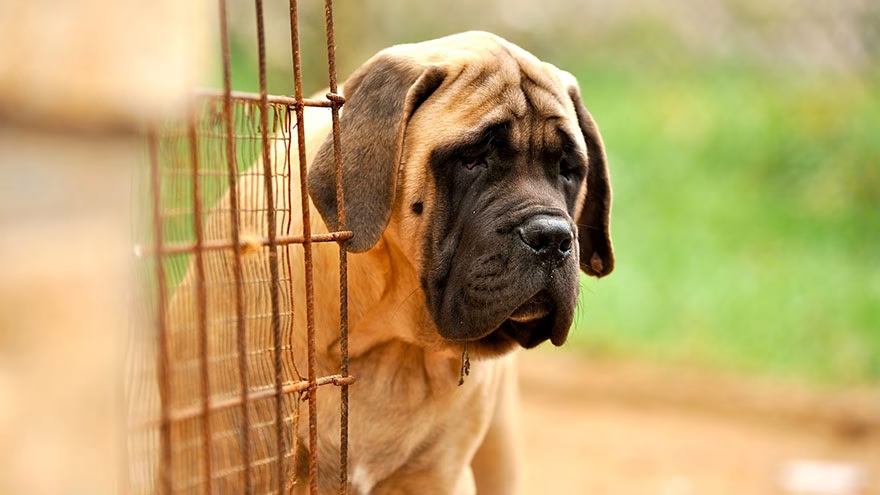
An English Mastiff puppy is cute for a very short time. Then the dog becomes enormous, heavy, expensive to feed, slow to mature, and strong enough that poor breeding or casual training affects the whole household. Owning a English Mastiff : Breeder Recommendations should begin with that reality: the breeder must be more careful than the buyer is excited.
Mastiffs can be gentle, dignified companions when bred and raised well. They can also be too much dog for weak fences, rushed socialization, poor joints, and owners who underestimate drool, food cost, and space. A good breeder will talk you out of the breed if your home is not ready. That honesty is a good sign.
What Should You Know Before Buying A Mastiff?
The American Kennel Club describes the Mastiff as massive, heavy-boned, and good-natured, with males commonly far above the size of most household dogs. Size changes everything: vehicle choice, crate size, vet handling, surgical cost, flooring, stairs, visitors, and leash control. A giant puppy can injure people accidentally long before it means any harm.
Before contacting breeders, decide where the dog will sleep, how stairs will be managed, who can physically handle the leash, and how you will train polite greetings. If you are still comparing giant breeds, Livecub's top biggest dog breeds article can help you think through scale before focusing on one puppy.
Think through visitors too. A friendly Mastiff can still block a doorway, knock a child over, or scare a repair worker who did not expect a dog that large. Training polite greetings is not cosmetic. It is part of making a giant dog safe in ordinary social life.
Which Health Tests Should A Mastiff Breeder Show?
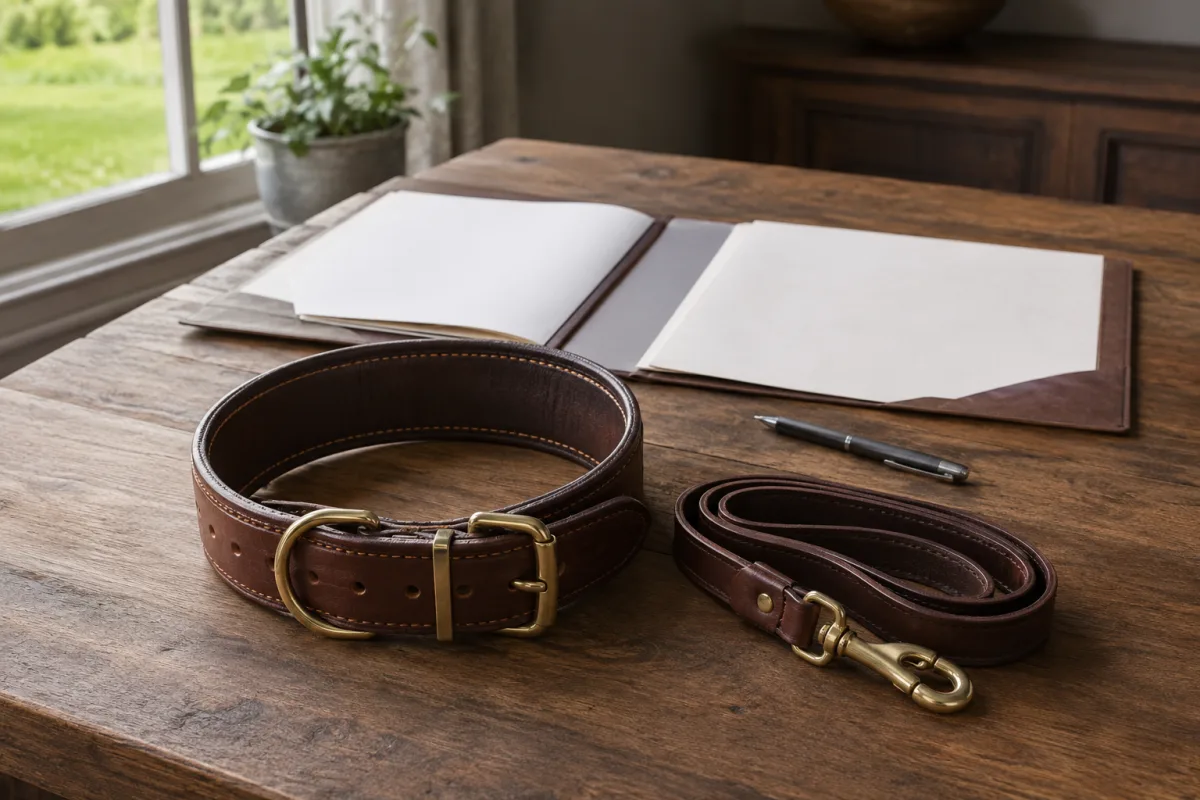
Health testing is not optional in a giant breed. The Orthopedic Foundation for Animals lists CHIC requirements for Mastiffs that include hips, elbows, eyes, and cardiac evaluation, with additional recommended tests such as thyroid and cystinuria screening. A breeder should show records, not just say the parents are healthy.
The Mastiff Club of America provides breed health information and buyer education. Use those resources to ask better questions: what are the hip and elbow results, what heart evaluation was done, what eye exam was completed, what issues have appeared in relatives, and how long did close relatives live? A giant dog with poor structure pays for it in pain.
Ask about growth management as well as tests. Giant puppies should not be pushed for extreme exercise, extra weight, or rapid size gains. A breeder who brags that puppies are "huge already" may be selecting for the wrong thing. Soundness should beat spectacle.
How Do You Judge Temperament In A Giant Breed?
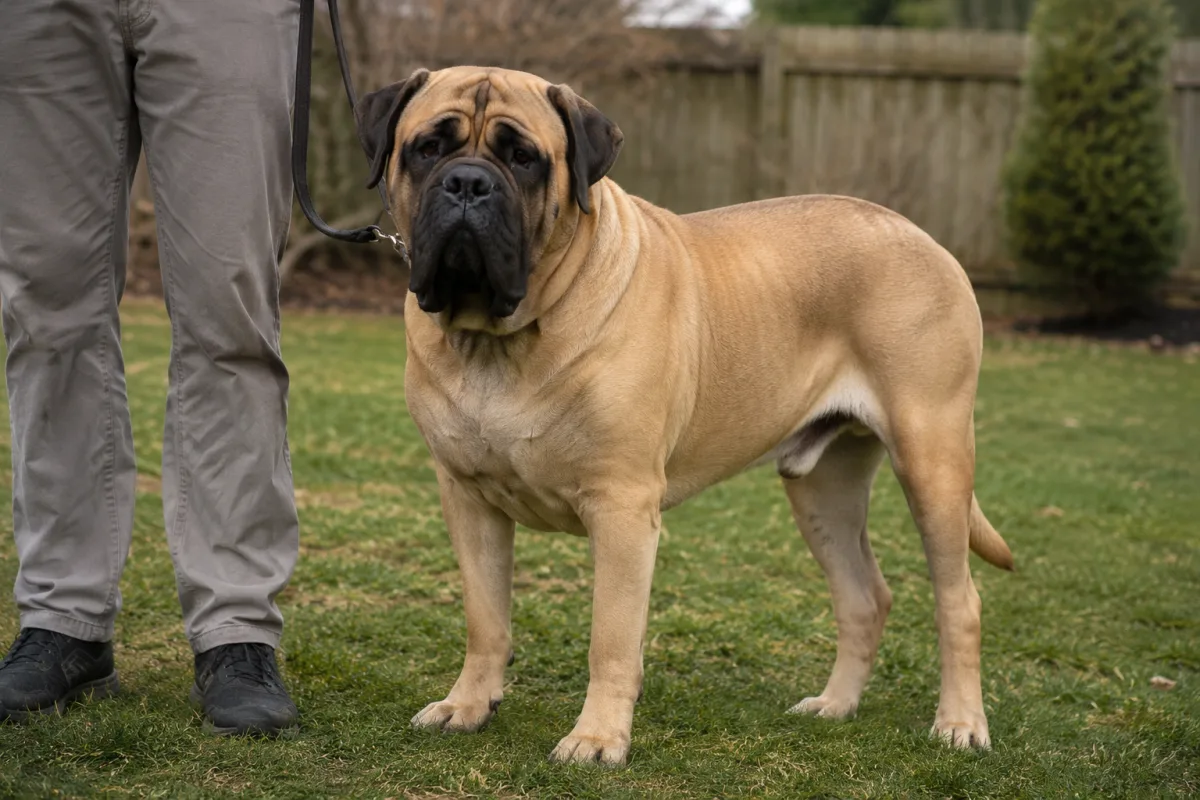
Look for steadiness. A Mastiff puppy may be clumsy or sleepy, but the adults should not be frantic, sharp, or impossible to manage. Ask how the parents react to visitors, children, delivery drivers, other dogs, grooming, and veterinary handling. A massive dog with poor nerve is hard to live with safely.
Meet adult relatives when possible. Watch whether the breeder can move them calmly and whether the dogs accept normal handling. A breeder who hides every adult dog or excuses unstable behavior as "protective" is handing you risk. If you are comparing guardian-style breeds, Livecub's Rottweiler questions show why temperament and owner control matter more than a tough appearance.
What Red Flags Should Stop The Sale?
Walk away from breeders who brag mainly about size, sell oversized puppies as a selling point, avoid orthopedic and cardiac testing, keep dogs in poor condition, rush deposits, or cannot explain return policies. Bigger is not automatically better. Extreme size can mean more stress on joints and a shorter comfortable life.
Be careful with sellers who dismiss socialization because Mastiffs are naturally gentle. Gentle does not mean trained. Puppies need surfaces, noises, people, car rides, crate comfort, leash manners, and body handling. Without that foundation, the dog may become too large before the family realizes how much work was skipped.
Photos can hide weak structure and poor condition. Ask for video of the adults moving at a walk, standing naturally, and interacting calmly. You are not judging show polish. You are looking for a dog that can move comfortably and live in a normal home without constant management drama.
What Should You Ask About Daily Costs?
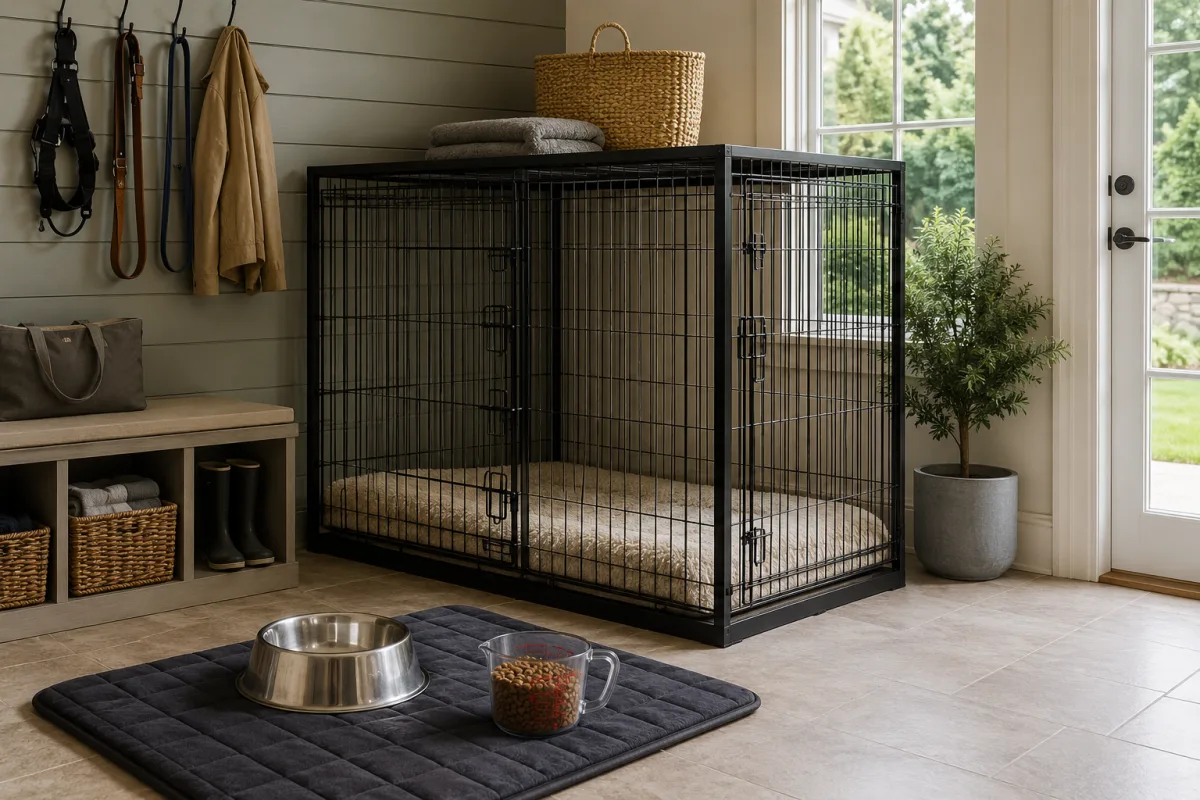
Ask practical questions. How much do the adult dogs eat? What size crate works? What vehicle do owners use? How much does routine vet care cost in your area for a dog this size? Which groomers or vets can handle a giant breed? What joint supplements or diet rules does the breeder recommend, and which are evidence-based rather than habit?
Budget for flooring and management too. Slick floors can be hard on giant puppies. Stairs should be limited while growth plates are developing, according to many breeder and veterinary recommendations. A fenced yard helps, but the fence has to hold a powerful dog. If coat work feels like a concern, Livecub's longhair Dachshund grooming guide is not a Mastiff guide, but it makes the larger point that care tasks are easier before problems form.
Ask about heat and travel. Mastiffs can struggle in hot weather and may not fit in every car, rental home, or hotel room. Emergency planning matters too: if the dog is injured, who can lift it, which vet can handle it, and how will you transport it safely?
Food cost is only the obvious line item. Heartworm prevention, flea and tick medication, anesthesia, imaging, boarding, beds, crates, and orthopedic care all scale with size. A breeder who talks openly about cost is not being negative. They are making sure the dog will not become a financial surprise.
What Should The Breeder Contract Include?
The contract should include registered names, health records, vaccination and deworming history, microchip, return policy, health guarantee terms, spay or neuter expectations if any, breeding rights if any, and what happens if the dog cannot stay with you. Read the health guarantee carefully. Some contracts sound generous but require impossible steps.
Ask about lifetime support. A breeder who has placed Mastiffs for years should have advice on food transitions, slow growth, leash training, drool, bloat awareness, and vet handling. If the breeder will not answer questions after pickup, the support structure is weak. Livecub's Brittany breeder recommendations offer a useful general template for contract and support questions.
Ask what the breeder expects from you during the first year. Some will want weight updates, photos of movement, vet notes, and reports on temperament. That is useful feedback for the breeding program and useful guidance for you. Silence after pickup is not the goal with a giant breed.
Handling practice should start before the dog is huge. Teach chin rests, paw handling, ear checks, nail trims, and calm weighing. A cooperative 60-pound puppy is far easier to shape than a 160-pound adult who has learned that leaning away ends the exam.
Plan your training space. You need non-slip floors, wide gates, a crate or pen that fits, and a door routine that prevents the puppy from greeting guests at full speed. Mastiff manners are easier to teach before size turns normal puppy behavior into a household hazard. Practice calm leash turns before adult strength fully arrives.
Frequently Asked Questions
Are English Mastiffs good family dogs?
Many are gentle with family, but size makes supervision essential. Children should not climb on, ride, or roughhouse with a giant dog.
What health tests should a Mastiff breeder provide?
Ask about OFA/CHIC testing, including hips, elbows, eyes, and cardiac evaluation, plus any breed-specific tests the breeder recommends.
Is the biggest puppy the best choice?
No. Structure, health, temperament, and fit matter more than size. Extra size can add joint and handling challenges.
Can a Mastiff live in an apartment?
Sometimes, if stairs, heat, space, exercise, neighbors, and elevator access work. Many apartments are impractical for giant breeds.
How do I avoid a bad Mastiff breeder?
Verify health records, meet adults if possible, ask hard questions, read the contract, and walk away from pressure or size-only sales pitches.
What Is The Best Mastiff Buying Rule?
Buy the boring puppy from the careful breeder, not the dramatic puppy from the loud seller. With Mastiffs, good breeding is not a luxury. It is the foundation that makes size manageable, temperament livable, and ownership fair to the dog.

Chiara Bradshaw
Covers education, culture and creative topics with an emphasis on readable explanations and verifiable references.



Leave a reply
Replying to