

Owning a Pekingese begins with breeder choice. This is a loyal, independent toy breed with a heavy coat, prominent eyes, a short muzzle, and a strong sense of self. Good Pekingese breeder recommendations should focus on breathing, eyes, grooming, temperament, heat safety, structure, and whether the breeder is honest about the breed's real care needs.
A beautiful Pekingese is not enough. Buyers should look for a sound, breathing, comfortable companion from a breeder who can explain health decisions, daily care, and lifelong support. The wrong breeder can leave a family with preventable medical stress and a dog that suffers from traits people were told were normal.
What Should A Pekingese Breeder Care About?
The American Kennel Club describes the Pekingese as a compact toy companion of regal bearing, loyalty, and individuality. Those words capture the breed's charm, but breeder conversations should move past charm fast. Ask how the breeder protects breathing, eyes, gait, coat, and temperament.
A responsible breeder should be able to describe the parents as living dogs, not only show records. How do they breathe after light exercise? How do they handle grooming? Are their eyes comfortable? Can they move freely? Are they friendly enough for normal life? If you are comparing other toy breeds, Livecub's Maltese questions show how coat and companion traits can vary.
Why Is Breathing The First Question?
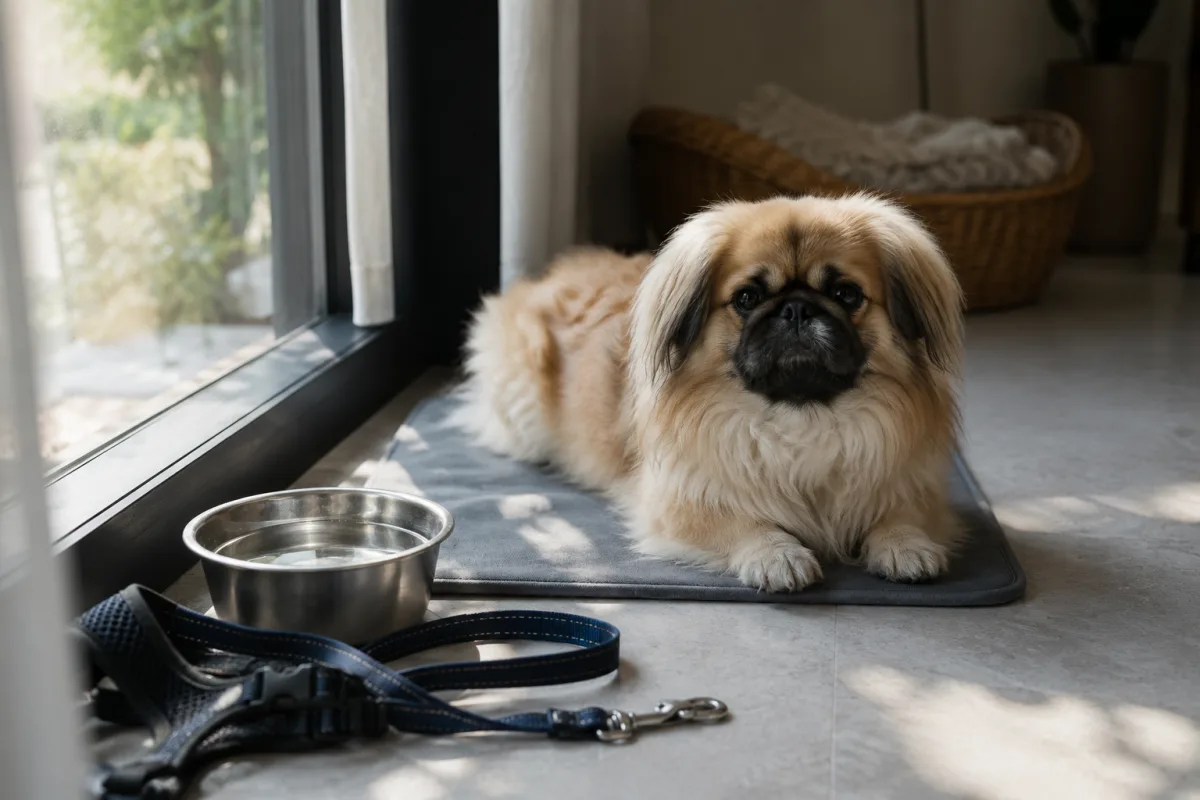
Pekingese are brachycephalic, which means their skull and muzzle shape can affect airflow. The Pekingese Club of America warns against breeding dogs with obstructed breathing from traits such as overhanging nose wrinkles or pinched nostrils. That is a direct buyer clue: noisy, strained breathing should not be dismissed as cute.
Ask to see adults moving in a normal setting. Listen for constant snorting, labored breathing at rest, blue or pale gums, collapse, or severe exercise intolerance. A breeder should not tell you that every Pekingese struggles to breathe. If breathing looks poor, walk away and talk with a veterinarian before buying.
What Eye Issues Should Buyers Discuss?
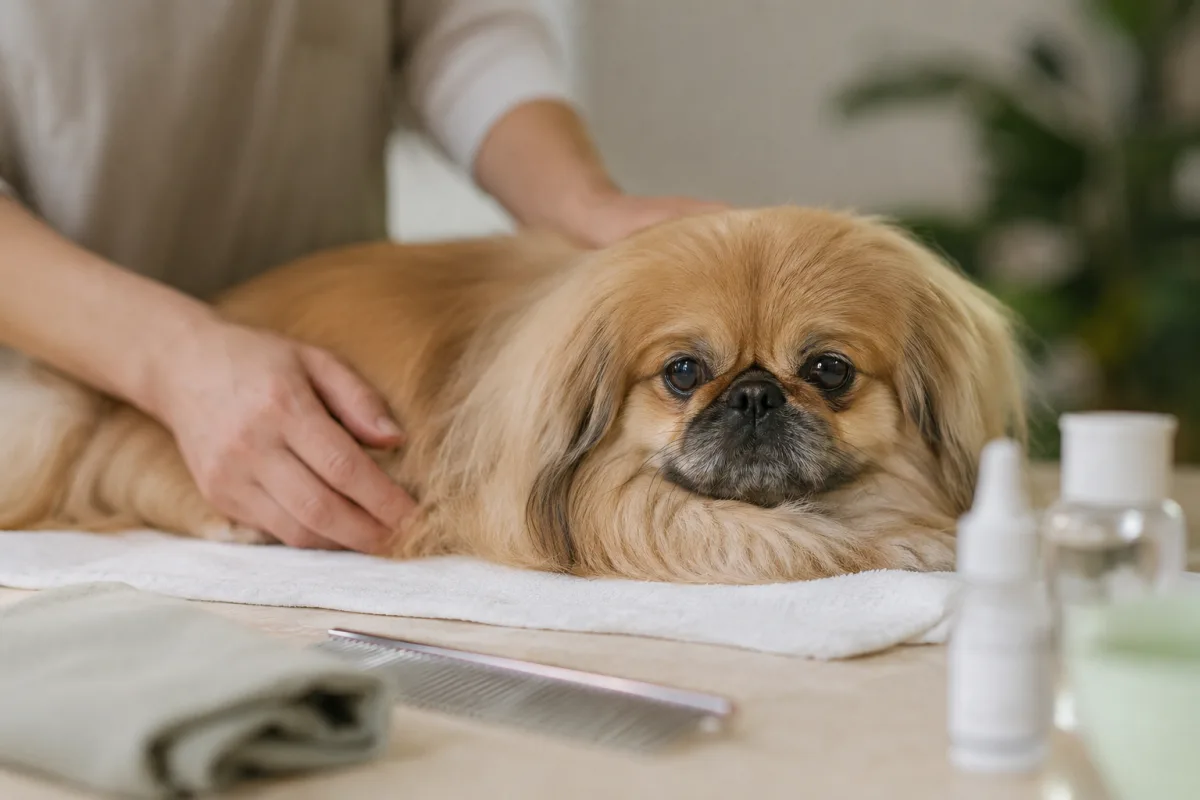
Pekingese have prominent eyes, so eye comfort matters. PetMD notes that Pekingese eyes need extra attention and that flat-faced dogs are at higher risk for eye injuries, ulcers, and abrasions. Ask about eye exams, injuries in relatives, eyelid problems, dry eye, and how the breeder keeps facial hair from irritating the eyes.
Look at the puppies and adults. Eyes should not be constantly red, cloudy, swollen, crusted, or squinting. A puppy that rubs its face or avoids light may need veterinary care. Eye issues can worsen quickly, so buyers should not accept "it will clear up" without a vet answer.
What Health Testing Should You Ask For?
Ask the breeder what health screening is done and why. The OFA breed screening database is a starting point for public records and breed-specific programs. For toy breeds, useful discussions may include eyes, patellas, cardiac health, airway function, dental structure, and any DNA tests used by the breeder.
Do not accept "vet checked" as the whole answer. A routine puppy visit is not the same as thoughtful breeding health work. Ask for registered names, test dates, results, and what problems the breeder has seen in past litters. If a breeder claims there are no health issues in the breed, that is not honesty.
How Should A Breeder Talk About Heat?
A Pekingese breeder should be serious about heat risk. VCA's Pekingese breed guidance says the breed overheats easily and is not suited to overly vigorous exercise. That affects daily life: cool rooms, shaded walks, careful travel, and no hard exercise in heat.
Ask how the breeder teaches new owners to manage warm weather. A good answer includes body-clip walking gear, short cool-hour walks, water, air-conditioning, and early signs of distress. Heat tolerance should not be treated as a small inconvenience. For another dog with coat and heat planning, Livecub's longhair Dachshund grooming guide is a useful maintenance comparison.
What Should You Know About Grooming?
The Pekingese coat can be beautiful, but it is work. PetMD says long-coated Pekingese often need brushing and professional grooming every six to eight weeks. VCA also notes brushing, nose wrinkle cleaning, hygiene checks, and dental care. A breeder should show you how to brush, clean the face, trim nails, and keep the dog comfortable.
Ask whether puppies are introduced to grooming, nail trims, face wiping, and gentle handling. A puppy that has never practiced care may fight normal maintenance later. If you want a shorter pet trim, ask the breeder and groomer what is practical. A pet does not need show-coat upkeep if the household cannot maintain it.
What Temperament Should You Expect?
Pekingese are often loyal, independent, and selective. They may adore their people while staying reserved with strangers. VCA describes them as devoted and sometimes stubborn, doing best with reward-based training using food. That means forceful methods are a poor fit.
Ask how the breeder socializes puppies: household sounds, grooming tables, visitors, car rides, crates, and gentle handling. A tiny dog still needs manners. Teach wait, come, leave it, quiet, mat, and cooperative care. If you want a louder small-dog comparison, Livecub's Miniature Schnauzer questions show how alert behavior can differ by breed.
Are Pekingese Good With Children?
They can live with respectful older children, but they are not rough play dogs. Their eyes, back, legs, and breathing make rough handling risky. Children should not carry the dog without help, squeeze, chase, or wake it suddenly. A Pekingese may defend itself if treated like a toy.
Ask the breeder what type of home each puppy suits. Some puppies are more outgoing; others are quieter or more sensitive. A breeder who matches puppies carefully is doing more for you than one who lets buyers pick only by color or face.
What Questions Reveal A Better Breeder?

Ask why the litter was bred, what health tests were done, how the adults breathe, how the adults move, what eye issues have occurred, what grooming schedule they recommend, what contract support exists, and what happens if you cannot keep the dog. A responsible breeder asks you questions too.
Ask for records, not pressure. You should not be rushed to send money before seeing answers. Livecub's Brittany Spaniel breeder recommendations can help you structure questions even though the breed is very different. The standard of honesty is the same.
What Red Flags Should Stop A Purchase?
Walk away from a breeder who normalizes labored breathing, refuses health questions, will not show adult dogs, sells very young puppies, will not provide a contract, keeps dogs in dirty conditions, avoids eye or airway topics, or claims tiny size is always better. Be careful with sellers who focus on rare colors, extreme faces, or instant shipping.
Also be wary if every answer is about price, not the dog's future. A Pekingese can live well into the teen years. The breeder's job is not only to create a cute puppy. It is to give that dog the best chance at a comfortable life.
How Should You Prepare Before Pickup?
Before pickup, arrange a veterinarian, a cool travel plan, body-clip walking gear, a shallow water bowl, grooming tools, a crate or pen, and a quiet rest area. Ask the breeder for feeding instructions, vaccine records, grooming notes, and any warning signs that should prompt a vet call. Preparation matters because tiny, flat-faced puppies can become stressed quickly during travel and schedule changes.
Frequently Asked Questions
How do I know if a Pekingese breeder is responsible?
They discuss breathing, eyes, grooming, temperament, records, contracts, and lifelong support without acting defensive.
Should I avoid all Pekingese because they are flat-faced?
No, but you should avoid breeders who treat breathing problems as normal or desirable.
Do Pekingese need professional grooming?
Many do, especially in long coat. Pet trims can reduce maintenance, but face, eyes, nails, and teeth still need care.
Are Pekingese good apartment dogs?
Often yes, if heat, barking, grooming, and safe exercise are managed.
What should I ask before paying a deposit?
Ask for health records, parent information, contract terms, return policy, grooming guidance, and breathing or eye history.
Should You Buy From This Breeder?
Buy only if the breeder treats health and comfort as seriously as appearance. A good Pekingese should breathe comfortably, move soundly, have cared-for eyes and coat, and come from someone who tells the truth about the breed. If the answers feel slippery, keep looking.

Chiara Bradshaw
Covers education, culture and creative topics with an emphasis on readable explanations and verifiable references.



Leave a reply
Replying to