
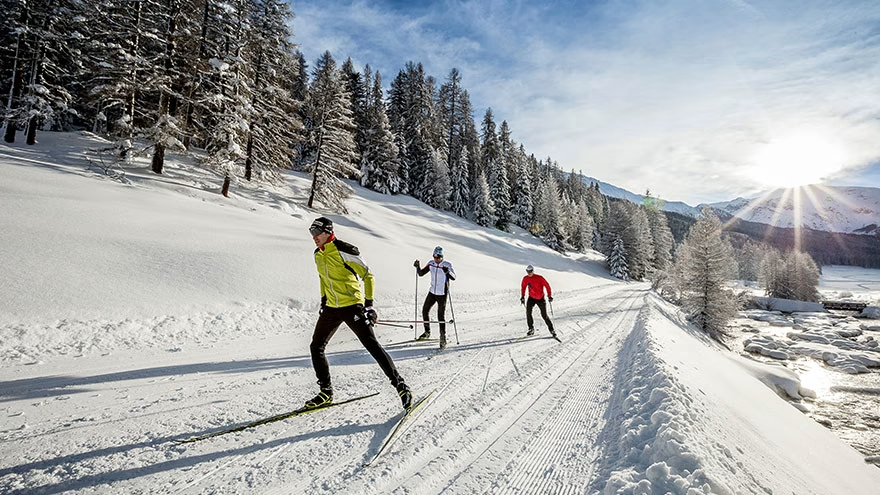
Cross country skis are not sized like downhill skis, and height alone can send you home with the wrong pair. The proper cross country ski length depends on ski style, body weight, flex, skill, terrain, and the manufacturer's chart. A ski that is too soft drags and slips; a ski that is too stiff refuses to grip when you need it.
Why does cross country ski length matter?
Length affects glide, grip, turning, and control. Cross country skis need the right flex so the grip zone or wax pocket can engage when you press down and release when you glide. That is why weight matters as much as height.
REI's cross country ski guide explains that classic skis are usually sized by body weight and skier height, while skate skis are shorter and stiffer than classic skis. The REI cross country ski gear guide is a useful broad source because it separates touring, classic, and skate needs.
If you are choosing winter fitness gear for the first time, Livecub's Pilates vs. Tai Chi guide is unrelated in sport, but it shares the same decision rule: match equipment and effort to the body you have.
How do classic skis and skate skis differ?
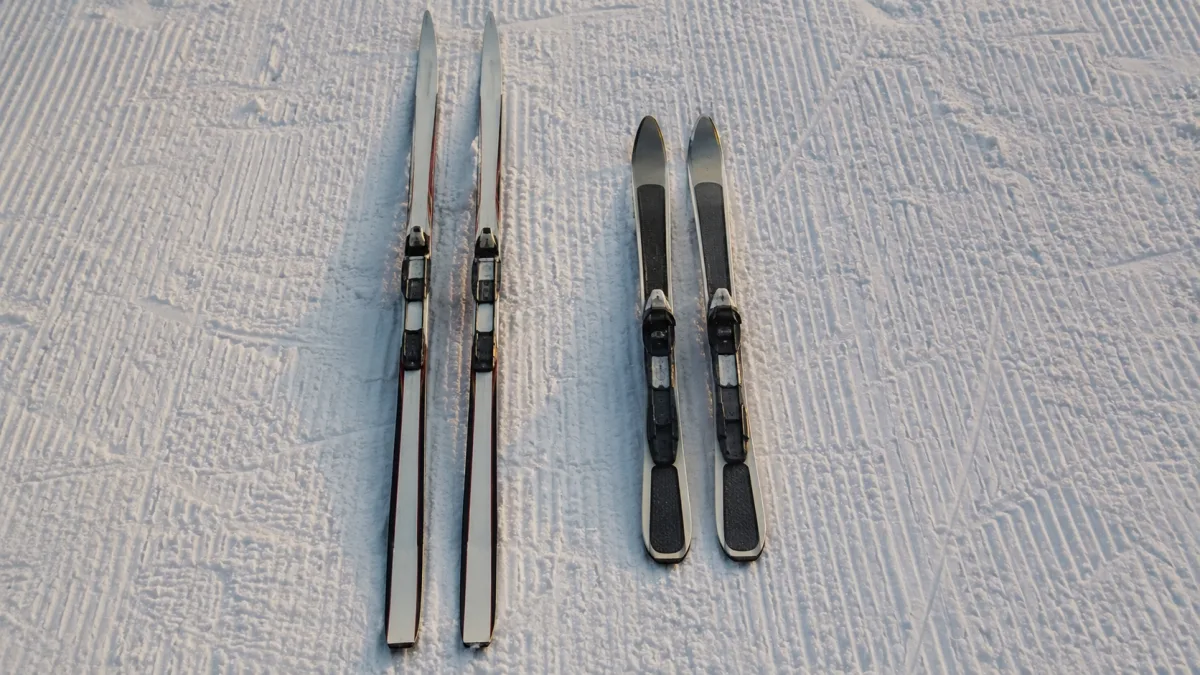
Classic skis move in the tracks with a forward-and-back stride. They are usually longer and use a grip zone underfoot. Skate skis use a side-to-side motion on groomed lanes, are shorter, and need more torsional stiffness for edging.
Do not buy skate skis for classic trails because they look faster. Do not buy long classic skis for skate technique because they were cheap. The technique decides the tool before length becomes useful.
Choose style first. Classic touring, waxless recreation, backcountry touring, and skate skiing all size differently. One size chart cannot rescue the wrong category.
How do height and weight affect ski sizing?
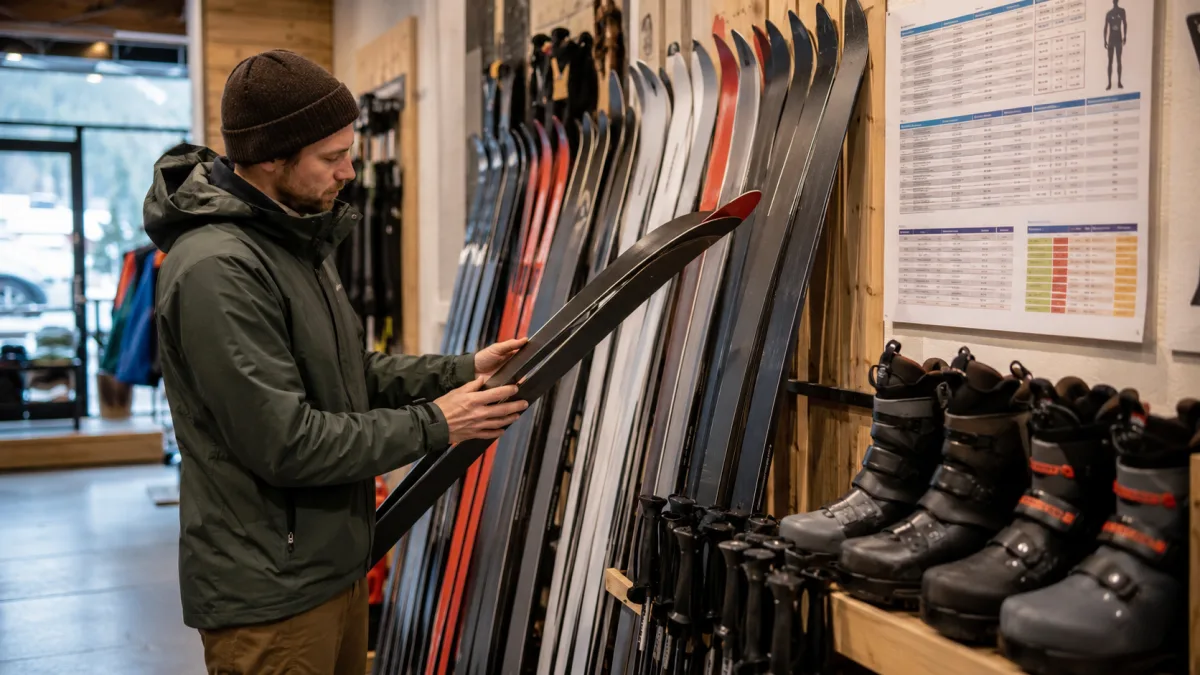
Height gives a rough starting point, but weight tells the ski how it will flex. A heavier skier may need a longer or stiffer ski than a lighter skier of the same height. A lighter skier may need a shorter or softer ski so the grip zone can engage.
Salomon's Nordic ski size guidance asks skiers to use height and weight charts and separate classic from skate sizing. The Salomon cross country ski guide is useful because it points buyers toward use case, weight, and skill rather than a single universal number.
Do not copy a friend's ski length. Two skiers can be the same height and need different skis because weight, technique, and trail goals differ.
What role does skill level play?
Beginners usually benefit from slightly easier control. A recreational classic ski that is manageable on gentle terrain is better than a long, fast ski that feels scary on every turn. Confidence helps learning.
Experienced skiers may choose more glide, stiffness, or discipline-specific performance. They also have better balance and technique to handle longer or faster skis. Rental-shop advice can be valuable because the staff sees how different sizes behave on local snow.
For broader endurance training, Livecub's endurance exercises for kids is a reminder that skill and conditioning build over time, not from one equipment purchase.
How should terrain change your choice?
Flat groomed tracks reward glide. Rolling trails need kick and control. Narrow wooded routes or ungroomed terrain favor maneuverability. Backcountry touring skis are often wider and built for stability rather than track speed.
If you ski mostly on groomed Nordic-center trails, follow the chart for that ski type. If you ski local parks, golf courses, or untracked snow, ask a shop about width, edge, and stability as well as length.
Terrain punishes optimism. A ski that feels fast on a flat demo loop may be tiring on tight, uneven trails.
Do waxless skis change the sizing decision?
Waxless skis still need the right length and flex. The textured grip zone has to press into the snow when you kick and release when you glide. If the ski is too stiff, the pattern does not bite. If it is too soft, the pattern drags.
Waxless does not mean no fit. It means the grip system is built into the ski rather than managed with kick wax. For many recreational skiers, that is easier, but the ski still needs to match weight and trail use.
Convenience cannot fix bad flex. A waxless ski in the wrong size can still feel slow, slippery, or unstable.
How do you use a manufacturer's size chart?
Start with the exact model. Find the chart for that ski, choose the weight range, then check height, skill, and intended use. Different models from the same brand can size differently because flex and construction differ.
Fischer's Nordic ski selection resources emphasize choosing by category and skier data. The Fischer Nordic ski resources are useful for seeing how brands divide skis by classic, skate, sport, race, and touring use.
Charts are a start, not a fitting. If you are between sizes, a knowledgeable shop can check flex, ask about terrain, and help you choose the safer compromise.
What checks should you do before buying?
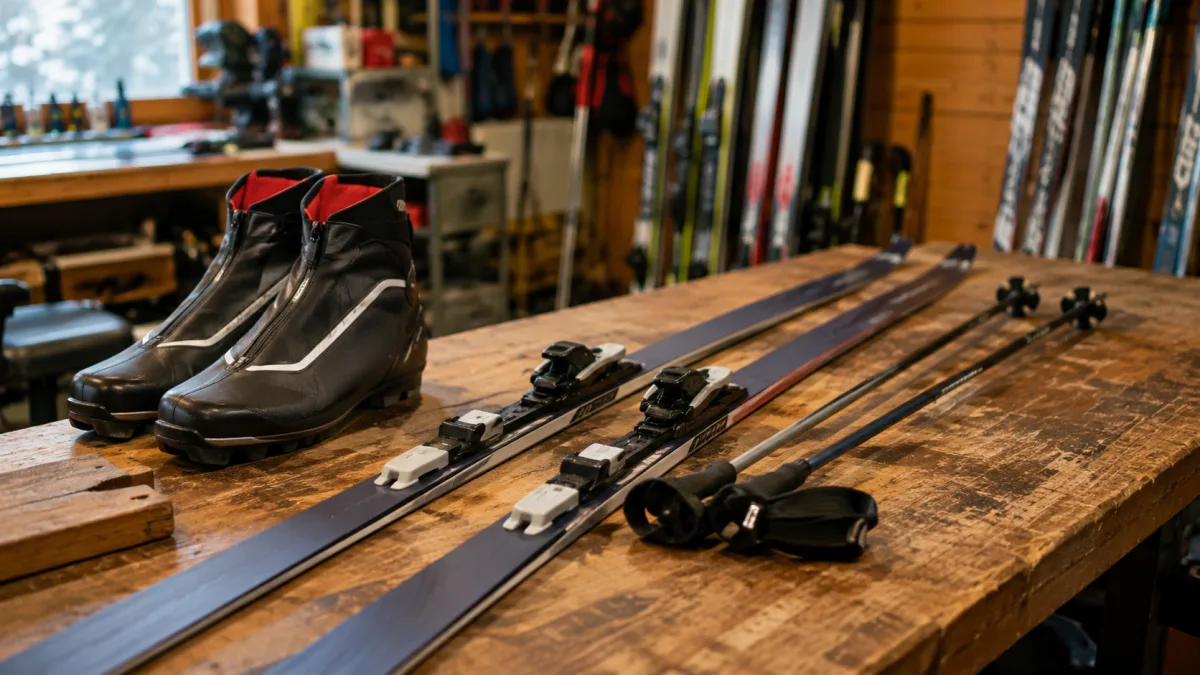
Ask the shop to confirm the ski category, length, flex, boot compatibility, binding type, pole length, and intended trail use. If renting, tell the staff your weight honestly. The ski does not care about pride; it flexes under real load.
If possible, rent before buying. One day on a too-stiff ski teaches more than an hour of reading charts. Notice whether the ski grips on climbs, glides on flats, and turns without fighting you.
Livecub's Polar HRM battery guide is gear-specific in another sport, but it shows the same principle: check compatibility before assuming the equipment will work together.
How should kids and new adults be sized?
For kids, control and enjoyment beat speed. A ski that is too long can make turning, stopping, and getting up after a fall harder. Follow youth sizing charts and ask about the child's weight, skill, and terrain rather than buying something to "grow into" for too long.
New adult skiers often need the same humility. If you are between sizes, the easier-to-control option may help you learn faster. You can chase more glide after technique improves.
For child fitness context, Livecub's endurance exercises for kids explains why confidence and repeatable movement matter more than adult-style performance goals.
Do poles and boots affect ski length?
Poles and boots do not determine ski length, but they affect how the ski feels. Boots must match bindings and provide enough support for the style. Poles that are too long or too short can make technique awkward, especially for beginners.
Check the whole system: ski, binding, boot, pole, and trail. A correctly sized ski can still feel wrong if the boot is incompatible or the pole length pushes your body position out of rhythm.
What sizing mistakes should you avoid?
Avoid choosing by height alone, buying race skis for slow touring, ignoring weight range, copying a friend's setup, or assuming longer always means better. Also avoid buying used skis without knowing their category and flex.
Used skis can be a good deal if they match your size, bindings, and snow goals. They are a poor deal if they are cheap because nobody can tell what they are.
Inspect bases, edges if present, bindings, and camber before buying used. A ski with damaged bases or obsolete bindings may cost more to fix than it saves. Bring the boots you plan to use if possible.
If you are unsure, rent twice in different conditions before buying your first setup.
Your balance will tell you plenty on real snow.
Frequently Asked Questions
Can cross country skis be too long?
Yes. Too-long skis can be harder to turn, control, and compress, especially for beginners or lighter skiers.
Can cross country skis be too short?
Yes. Too-short skis may feel slow and unstable, and they may not glide well for your weight and technique.
Should beginners choose shorter cross country skis?
Often a manageable size is better than chasing speed. Use the manufacturer's chart and ask a shop if you are between sizes.
Are waxless skis sized differently?
They still depend on weight, length, and flex. Waxless grip patterns need to contact the snow correctly, so sizing still matters.
Use the chart, tell the truth about weight and trails, and let fit beat ego. The right ski disappears under you; the wrong one argues all day.

Linda Fehrman
Edits general wellness and relationship explainers. Health material is educational, avoids diagnosis and links to health-authority guidance.

Leave a reply
Replying to