
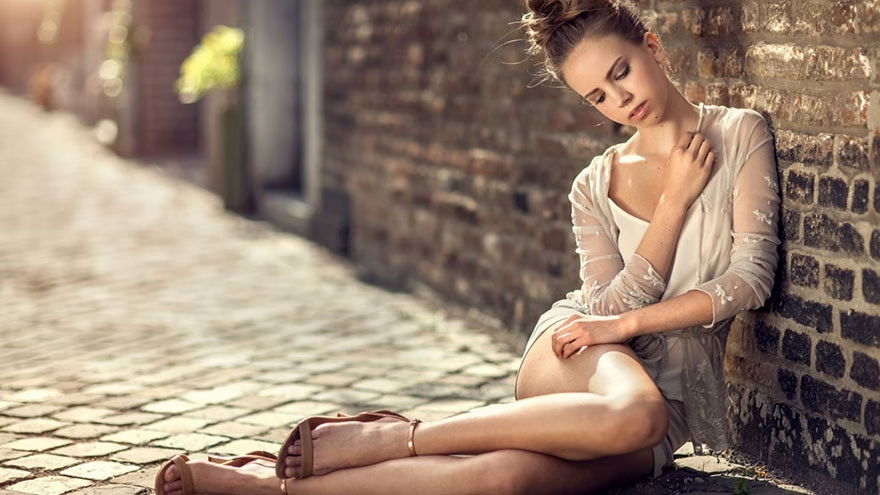
Tasteful posing is less about hiding the body and more about giving the subject control. A good portrait can be intimate, elegant, funny, modest, glamorous, or romantic without feeling exposed. The difference comes from consent, privacy, light, direction, and restraint. If you want tasteful photo poses, start by deciding what the subject wants to show, what should stay private, and where the finished images may go.
What makes a photo pose tasteful?
A tasteful pose looks intentional without making the subject feel trapped. The face, hands, shoulders, hips, and feet all have something to do. The crop avoids awkward tension. The lighting flatters shape rather than exposing every detail. Most of all, the subject has the right to stop, adjust, delete, or reject an image.
For intimate portraits, the plan matters before the first frame. Wardrobe, room temperature, background clutter, music, privacy, and image storage should be settled early. A relaxed setup does more for the photo than a complicated pose copied from a mood board.
Composition works in many settings. If you like arranging visual details, even a practical guide like Livecub's cookie display guide shows the same principle: clean lines, spacing, and focal points change how the eye moves.
How should consent and privacy be handled?
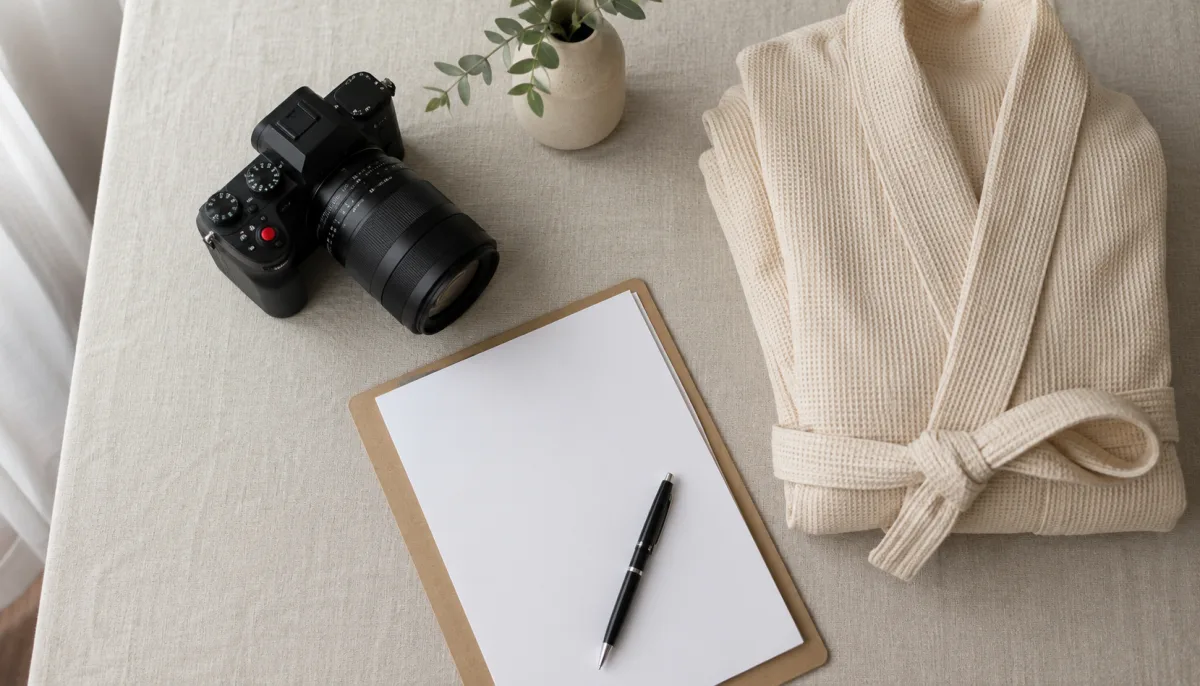
Consent should be clear, specific, and reversible. A subject may agree to take photos but not agree to lingerie, partial nudity, face visibility, cloud storage, social posting, or portfolio use. Ask before each category changes. Do not treat silence as approval.
Adobe's explanation of photo release forms says a release is written permission connected to publishing or using a subject's image. For intimate or personal portraits, use written terms even if the shoot is between partners. The point is privacy clarity, not mistrust.
The Adobe photo release guide is a useful starting point for understanding publication permission. If the images are never shared, you still need agreement about storage, deletion, and who can view them.
Privacy should include file handling. Decide whether images will stay on one device, be backed up, printed, edited by an outside service, or deleted after delivery. Turn off automatic sharing if the subject expects privacy. A beautiful photo can still be a violation if it travels farther than agreed.
Which standing poses look natural?
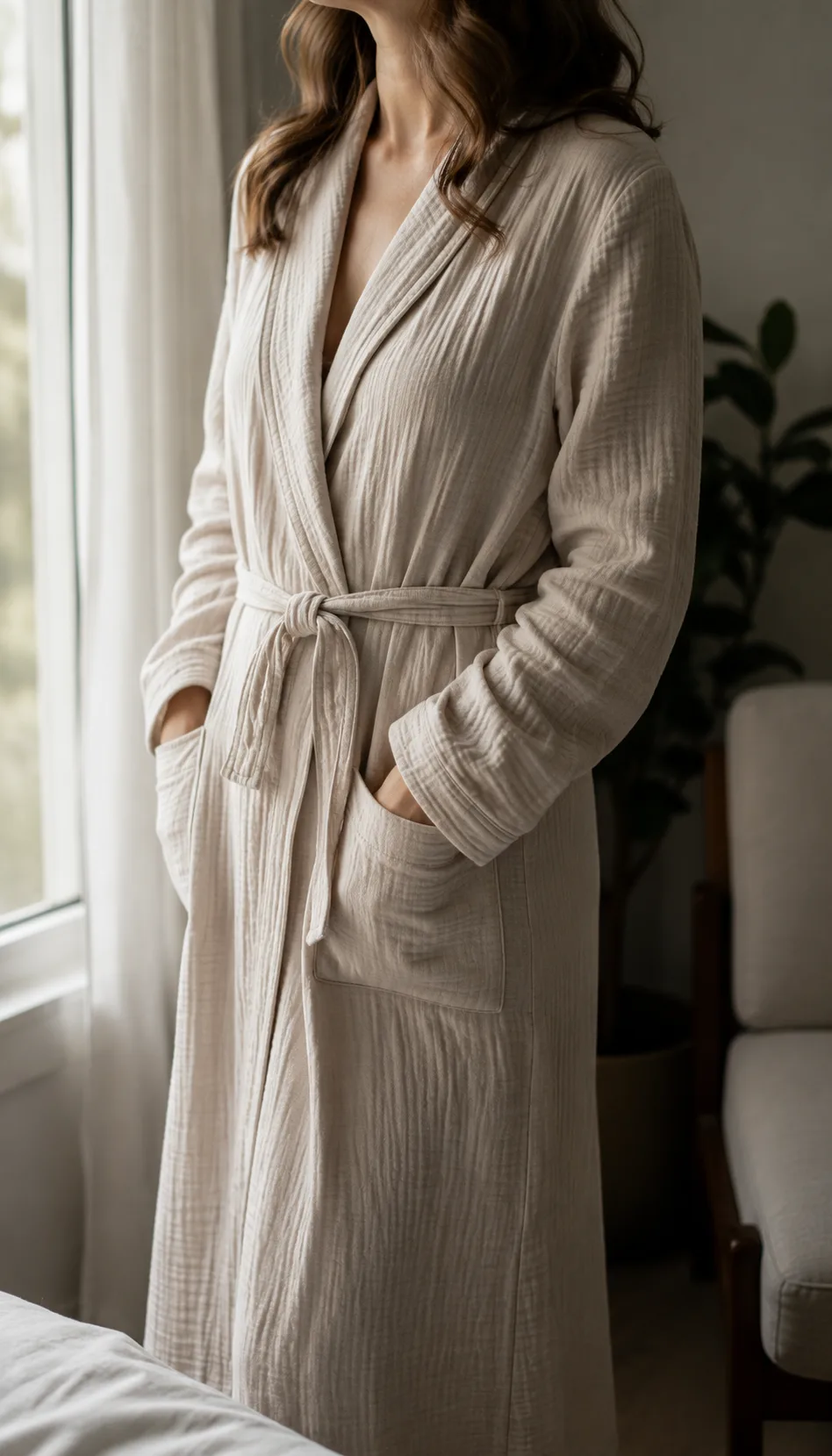
Standing poses often fail when the subject locks knees and squares shoulders to the camera. Ask for a soft knee, a small shift of weight, and a shoulder angle that turns the body slightly. The pose should feel like a pause in movement, not a lineup.
Light should do quiet work. Window light from the side can shape the face and body without harsh shadows. If the room is dark, move closer to the window instead of raising brightness until the image looks flat. Gentle direction keeps the mood calm.
Wall lean
Have the subject lean one shoulder or hip lightly against a wall while keeping the spine long. One foot can cross in front of the other. This gives the body structure and keeps hands from floating.
Window turn
Place the subject near window light and ask them to turn their face toward the light while the body stays angled away. The result is soft, private, and flattering, especially when the background is simple.
Walking reset
Ask the subject to take three slow steps, stop, and breathe out. Photograph the pause. Movement keeps the pose from becoming stiff, which matches advice from Professional Photographers of America that boudoir poses often look better when clients keep moving through them.
What seated and reclining poses work well?
Seated poses are forgiving because they give the body anchors. Put the subject on the edge of a chair, bed, step, or sofa rather than sinking back. Ask them to lengthen through the spine, angle the knees, and let one hand rest where it naturally supports the pose.
Reclining poses should be simple. Avoid forcing a dramatic arch. A side-lying pose with one knee bent, a shoulder relaxed, and the face turned toward light often looks better than a strained shape. Use pillows to support the body, not to create theatrical clutter.
Give the subject recovery moments between poses. Sitting up, checking one flattering frame, drinking water, or adjusting clothing can reset tension. The best expressions often appear after pressure drops.
For partner-gift portraits, comfort matters as much as aesthetics. A calm body cue can feel like the same trust-building idea behind giving a spouse a thoughtful massage: pressure should never outrun consent.
What should hands do in a portrait?
Hands show tension fast. Give them jobs. They can touch fabric, hold a robe edge, rest on a collarbone, adjust hair, hold a mug, frame the face, or rest on the thigh with soft fingers. Avoid clawed hands, fists, and stiff palms pressed flat against the body.
Soft fingers usually look better than posed fingers. Ask the subject to move the hand into place, then relax the last bit of tension. If a hand looks awkward, crop it out or give it a prop.
Do not over-direct every inch. Too much correction makes people self-conscious. Fix the biggest issue, take a frame, then show the subject one image they like so confidence can build.
How do wardrobe, cropping, and props keep photos tasteful?
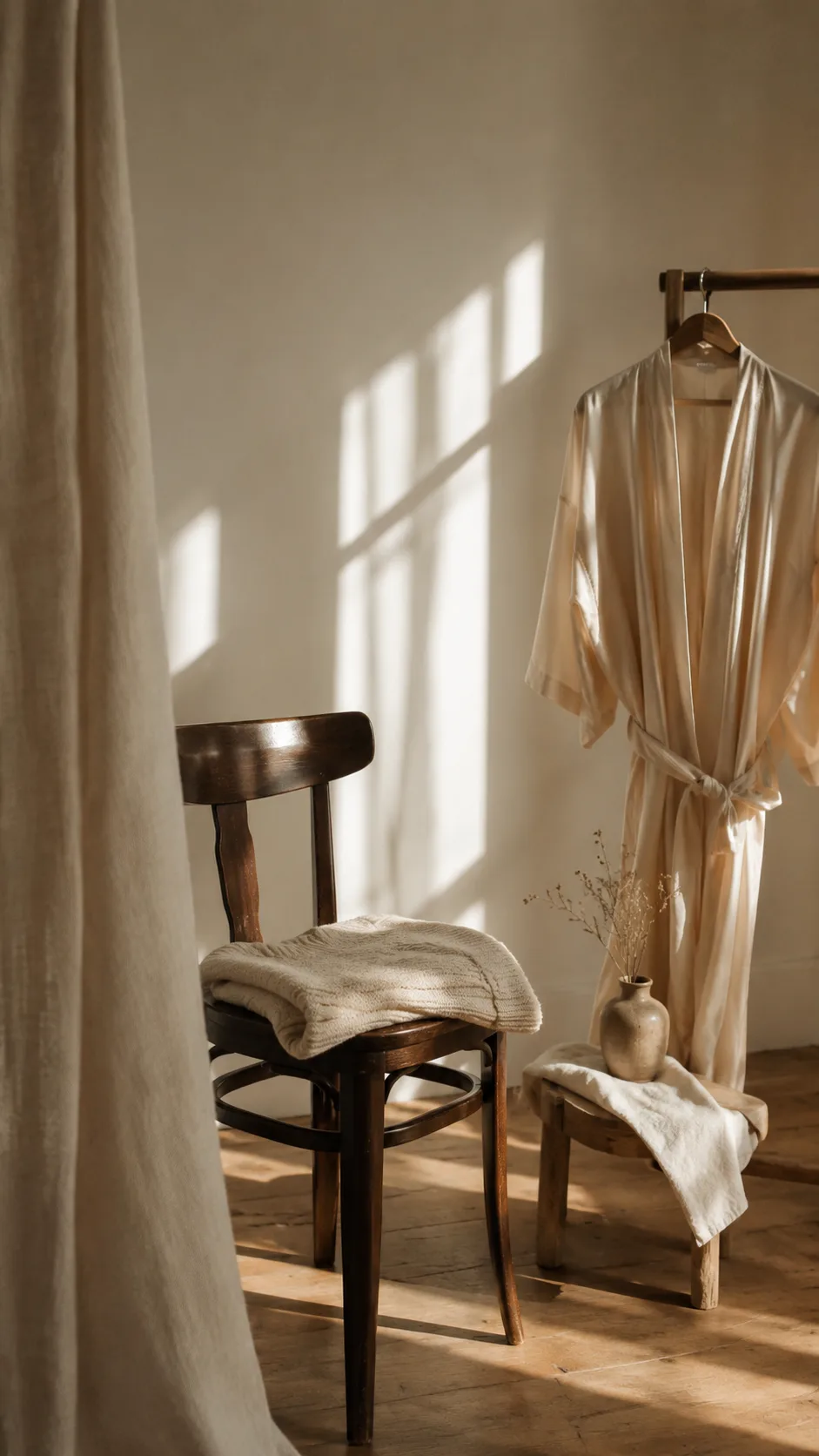
Wardrobe should fit the subject's comfort, not someone else's fantasy. Oversized shirts, robes, sweaters, simple dresses, tailored jackets, and sheets can all feel intimate without revealing much. Lingerie is optional, never required.
Cropping can protect privacy. Photograph hands, shoulders, back, hair, fabric, or silhouette if the subject does not want face visibility. Detail images can feel personal without being identifiable. Sony's model-release discussion says commercial use usually requires a release; even outside commercial use, privacy agreements are wise for intimate images.
The Sony model release article is useful for thinking about rights and use. For personal images, write down the use rules anyway.
How can a beginner direct without making it awkward?
Use short, physical prompts. Say "turn your shoulder toward the window," "soften your hand," or "look down and breathe out." Avoid vague judgment like "be sexy." Most people pose better when direction is concrete and respectful.
Build the shoot from safe to intimate. Start clothed, seated, and well lit. Move into closer crops only after the subject has seen a good frame. If the person says no, pause without debate. No pressure is part of the final image.
For a playful, non-photo way to loosen the mood before a partner session, interactive marriage seminar ideas can help a couple talk, laugh, and set boundaries before a camera appears.
How should you review photos during the session?
Show only the strong frames. Do not hand over a camera roll full of blinking, awkward, or half-posed images when the subject already feels exposed. A quick look at one flattering frame can build trust; scrolling through every miss can damage it.
Ask before deleting on the spot. Some people want control over rejects, while others would rather not see them. Agree on the review process early. Image review is part of consent because it affects confidence and final use.
Delivery should match the same standard. Use a private gallery, password, encrypted folder, or in-person transfer when needed. Do not send intimate portraits through shared family accounts, work devices, group threads, or apps with automatic backup enabled by default on every phone or tablet.
Frequently Asked Questions
Do tasteful photos have to be modest?
No. A tasteful image can be modest or revealing. The defining features are consent, control, flattering light, respectful direction, and a result the subject actually wants.
Should intimate photos be shared online?
Only with clear written permission from the identifiable person. Private images should stay private unless the subject understands where and how they will be used.
What pose is safest for beginners?
A seated window-light pose is a strong start. Angle the shoulders, soften the hands, keep the background clean, and let the subject look toward the light instead of straight at the camera.
How do you make hands look less awkward?
Give the hands a task: touch fabric, hold a mug, adjust hair, or rest lightly on the body. Then ask the subject to relax the fingers before you take the frame.
The most tasteful pose is the one the subject can own. Keep the setup private, the direction simple, and the final use agreed before the shutter starts working.
Chiara Bradshaw
Covers education, culture and creative topics with an emphasis on readable explanations and verifiable references.



Leave a reply
Replying to