
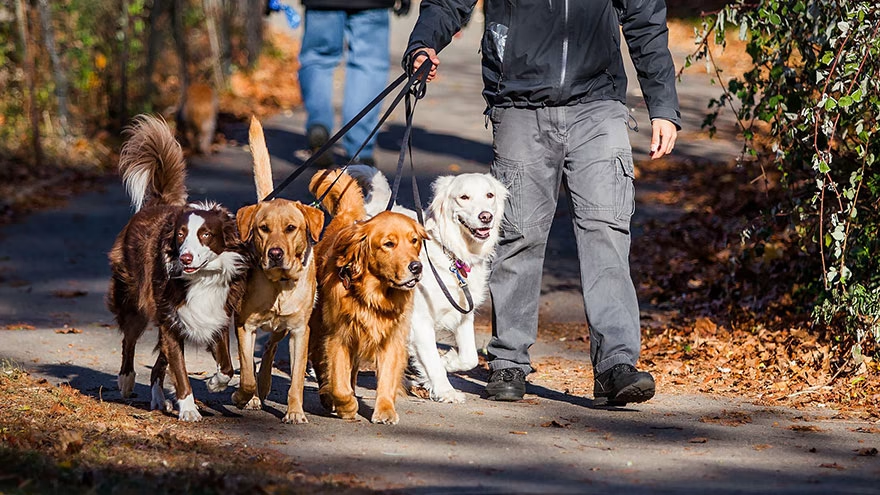
The Best Dog Breeds for Walking Depend on Your Real Routine
The best dog breeds for walking are not simply the breeds with the most energy. A good walking companion should match your pace, climate, schedule, training style, and tolerance for grooming, pulling, sniffing, mud, and weather. A dog that needs two hours of hard exercise may be perfect for one owner and too much for another.
The American Kennel Club's active dog breeds list includes breeds that can keep up with walking, jogging, biking, hiking, swimming, and fetch. That is useful, but the right choice still depends on the person holding the leash.
Think in habits before breeds. How far do you walk now? How often? On sidewalks, trails, hills, or parks? Match the dog to the life, not the fantasy weekend.
Start With Lifestyle Before Breed Lists
A person who walks 20 quiet minutes twice a day needs a different dog from someone who hikes five miles before breakfast. Both homes can be good homes, but they should not choose from the same wish list.
Apartment living does not rule out an active dog, but it raises the training requirement. A high-energy dog in a small space needs real walks, enrichment, and calm indoor habits. A yard helps only if the dog also gets engagement.
Weather matters too. Hot sidewalks, icy roads, deep snow, humidity, and foxtails can change the best breed choice. The walking environment is part of the match.
Sporting Breeds
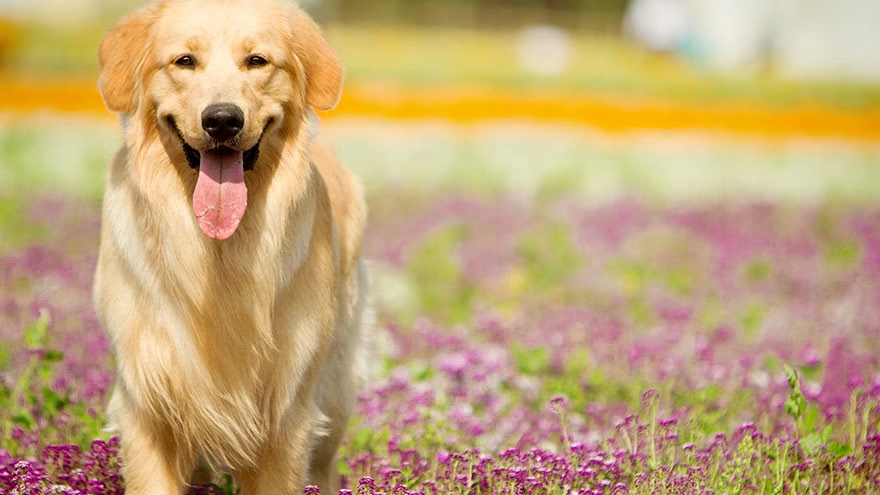
Sporting breeds such as Labrador Retrievers, Golden Retrievers, German Shorthaired Pointers, Brittanys, and spaniels often enjoy steady walking. Many were bred for active work with people, so daily movement suits them.
They can be friendly, trainable companions, but they may also need more exercise, mental work, and loose-leash practice than casual owners expect. A young sporting dog may not be satisfied with a slow block walk.
Livecub's German Shorthaired Pointer questions article fits this group because pointers often need serious activity and training.
Herding Breeds
Herding breeds such as Border Collies, Australian Shepherds, Shetland Sheepdogs, and Corgis can be strong walking partners because they are alert, responsive, and often eager to work. Many like structure and routine.
The challenge is mental energy. A herding dog may need training games, sniff breaks, obedience practice, or puzzle work in addition to mileage. Walking alone may not satisfy a dog bred to think while moving.
For smaller but active herding-type dogs, size does not always mean low energy. A compact breed can still want a serious daily schedule.
Livecub's biggest dog breeds guide is a reminder that size and exercise needs do not always line up neatly.
Terriers and Compact Walkers
Terriers can be excellent walking dogs for owners who like alert, lively companions. Miniature Schnauzers, Border Terriers, and some other terriers often enjoy brisk walks, sniffing, and neighborhood routes.
They may also be vocal, prey-driven, or intense around squirrels, bikes, and other dogs. Training matters. A small dog pulling hard on the leash is still a training problem.
Livecub's Miniature Schnauzer questions article connects well here because this kind of compact dog can be both manageable in size and energetic.
Small does not mean sedentary. Many small breeds need real walks, not only yard time.
Mixed-Breed Dogs Can Be Excellent Walkers
Do not ignore mixed-breed dogs. A shelter or rescue dog with the right temperament, health, and energy level may fit your walking routine better than a purebred dog chosen from a list.
Ask how the dog behaves on leash, around traffic, around other dogs, and after exercise. A trial walk, temporary-care notes, or staff observations can tell you more than appearance alone.
If breed background is uncertain, judge the dog in front of you. Body condition, age, enthusiasm, recovery after activity, and manners all matter.
Large Breeds for Steady Walkers
Some large dogs make calm, steady walking partners once mature. Standard Poodles, Doberman Pinschers, some retrievers, and some hounds can enjoy longer walks when trained and conditioned.
Large puppies should not be pushed into long forced marches. Growing joints need care, and giant or deep-chested breeds may have special exercise and feeding considerations. Ask a veterinarian about age-appropriate activity.
Rottweilers, Basset Hounds, and other heavier breeds can enjoy walks, but heat, weight, structure, and conditioning matter. Livecub's Rottweiler questions and Basset Hound questions articles give readers breed-specific starting points.
Match Breed to Walk Type
For short daily strolls, look for a dog with moderate energy, good leash manners, and a comfortable pace. For long hikes, consider endurance, heat tolerance, coat care, paw durability, recall training, and trail rules.
Merck Animal Health's exercise-needs article notes that sporting and herding dogs were bred for jobs requiring endurance and often have high daily exercise needs. That does not make them better for everyone; it makes them a bigger commitment.
If your ideal walk is slow and social, a very high-drive working breed may be frustrating. If your ideal walk is fast and long, a low-stamina dog may struggle.
The best breed is the one whose needs you can meet repeatedly.
Health, Age, and Weather Matter
Breed is only part of the answer. Age, weight, joint health, breathing structure, coat type, paw condition, and weather all affect walking. A fit senior dog may outwalk a young dog with poor conditioning, and a brachycephalic dog may struggle in heat.
AKC Reunite's exercise guidance notes that exercise supports healthy weight, muscle tone, and mental state. The right dose still has to fit the individual dog.
Watch for lagging, limping, excessive panting, repeated stopping, heat stress, or reluctance to continue. Bring water, avoid hot pavement, and build distance gradually.
For grooming needs that affect walking comfort, Livecub's longhair Dachshund grooming guide is a reminder that coat care can change how a dog handles weather and outdoor debris.
Build Distance Gradually
Even an athletic breed needs conditioning. Start with a distance the dog finishes comfortably, then add time or difficulty slowly. Hills, heat, sand, snow, and pavement all change the workload.
Rest days help dogs too. A tired dog may pull less for the wrong reason, lag behind, or move stiffly the next day. Watch recovery, not only energy during the walk.
Puppies, seniors, overweight dogs, and dogs with joint concerns need extra care. Ask a veterinarian before making long walks or hikes a routine.
Gear and Leash Manners
Comfortable walking gear or a well-fitted collar, a sturdy leash, waste bags, identification, and water are basic walking tools. For longer walks, add a collapsible bowl and a towel for muddy paws.
Leash manners should be practiced in easy places before busy parks. Reward check-ins, calm turns, and walking near you. Do not wait until the dog is already lunging at a squirrel to start training.
A trained moderate-energy dog beats an untrained high-energy dog for most daily walkers.
Training Makes Any Walking Breed Better
A good walking dog needs leash skills. Teach checking in, walking on a loose leash, ignoring distractions, settling at crossings, and turning calmly. These skills matter more than breed reputation.
Use sniff breaks on purpose. A walk is not only mileage for the dog; it is also information. Letting a dog sniff can reduce frustration and make structured walking easier afterward.
If adopting, ask about the individual dog's walking history. Adult dogs may already have leash habits, fears, stamina limits, or preferences that matter more than breed labels.
Do not judge the first walk too harshly. New places, new people, and new smells can make a dog act more excited or cautious than usual. Look for patterns over several calm walks.
If your schedule changes often, choose a dog that can handle some flexibility. Very high-drive dogs may struggle when long walks disappear for several days in a row.
Consistency usually matters more than one impressive weekend hike each month.
Frequently Asked Questions
What dog breed is best for long walks?
Sporting and herding breeds often suit long walks, but the individual dog's health, age, training, and conditioning matter most.
Are small dogs good for walking?
Yes. Many small dogs enjoy brisk daily walks, though distance and pace should fit the dog.
Should puppies go on long walks?
Not without guidance. Puppies need age-appropriate activity, and growing bodies should not be pushed too hard.
How do I know if my dog is tired on a walk?
Watch for lagging, limping, heavy panting, stopping, seeking shade, or reluctance to keep moving.

Timothy Davidson
Edits step-by-step general-interest guides for clarity, realistic limits and source verification.
Leave a reply
Replying to