
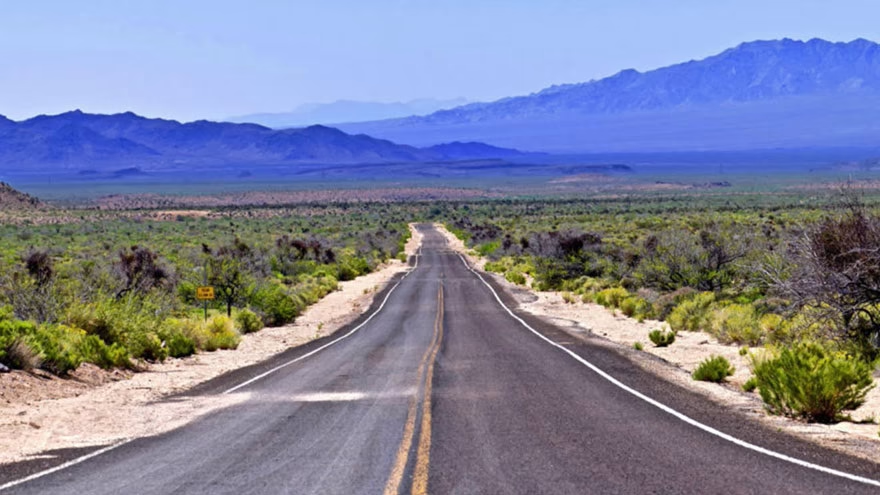
Mojave Works Best as a Desert Base
Things to see near Mojave are spread across aerospace sites, desert parks, rail landmarks, canyons, OHV areas, and long open drives. The town itself is small, but its location is useful. From Mojave, you can aim north toward Red Rock Canyon, east toward desert preserves, west toward Tehachapi, or stay close for aviation history.
The official Mojave Air and Space Port site describes the airport as a civilian aerospace test center at Rutan Field. That gives the town one of its strongest identities, but the desert around it deserves just as much planning.
Do not plan Mojave like a walkable city break. Plan it like a desert road trip.
Mojave Air and Space Port
The Mojave Air and Space Port is the signature stop for visitors interested in experimental aircraft, aerospace testing, and high-desert aviation history. Access can vary because this is an active working airport, not a theme park. Check visitor information before expecting a full tour.
The appeal is partly visual: runways, hangars, desert light, and the sense that unusual flight projects have passed through the place. If you are an aviation fan, build time for a slow look from public areas and confirm what is currently open.
For readers who enjoy identifying travel details, Livecub's cruise line smoke-stack guide is an odd but useful comparison: vehicles, silhouettes, and design clues can become part of the trip.
Check access first, then build expectations.
Red Rock Canyon State Park
North of Mojave, Red Rock Canyon State Park gives visitors cliffs, desert colors, badland shapes, short hikes, camping, and photography stops. It is one of the easiest scenic side trips from town because the landscape changes quickly after the drive north.
California State Parks' Red Rock Canyon State Park page is the right place to check current notices, camping details, and access information. Desert roads, heat, and seasonal closures can change the plan.
Bring water, sun protection, and shoes that handle sand and rock. The scenery may be close to the highway, but it is still desert.
Mojave National Preserve
Mojave National Preserve is farther from town, but it belongs on the radar for anyone using Mojave as part of a larger desert route. The preserve includes dunes, volcanic features, Joshua tree landscapes, historic sites, and wide-open drives.
The National Park Service's Mojave National Preserve page is the source to use for conditions, road information, permits, camping, and safety updates. Do not rely on an old road-trip blog for dirt-road status.
For another remote-landscape planning example, Livecub's Spiral Jetty guide shows why road condition checks matter before heading into wide, exposed places.
Jawbone Canyon and OHV Country
Jawbone Canyon and the surrounding desert attract off-highway vehicle riders, campers, photographers, and people who like open desert terrain. If you are not riding, it can still be a scenic drive, but stay aware of vehicles, dust, and changing surfaces.
Use designated routes and follow posted rules. Desert crust, plants, and wildlife can be damaged by careless driving, and a stuck vehicle in heat can become a safety problem quickly.
Outdoor freedom in the desert still needs route discipline.
Tehachapi and the Rail Landscape
West of Mojave, Tehachapi offers cooler mountain air, wind turbines, rail history, and small-town stops. Many visitors pair Mojave with the Tehachapi Loop area, where freight trains climb through a famous railroad engineering landmark.
Plan this as a scenic drive with patience. Train timing is not guaranteed, and roadside viewing requires careful parking and respect for private property. The reward is a different side of the region: mountains, rails, wind, and desert edges meeting in one short route.
Livecub's Laughlin travel ideas makes a helpful comparison because desert towns often work best as bases for drives rather than single-stop destinations.
Desert Wildflowers and Seasonal Color
Wildflower trips near Mojave depend on rain, timing, elevation, and patience. Some years are quiet. Other years produce carpets of color in the right pockets. Check current reports before driving hours for blooms.
Early spring is often the season people watch, but conditions vary widely. After storms, dirt roads may be muddy or closed. During heat, flowers fade and shade becomes more valuable than any viewpoint.
For another place-based travel comparison, Livecub's Petoskey travel guide shows how seasonal timing can change what a destination is best for.
Night Skies and Desert Quiet
One of the best reasons to stay near Mojave is the desert night. Drive away from bright lights, check weather, avoid trespassing, and give your eyes time to adjust. The experience is simple: dark sky, cold air in some seasons, and a wide horizon.
Bring layers even after a hot day. Desert temperature swings can surprise visitors who packed only for afternoon heat. A flashlight with a red mode, water, and a full fuel tank make night stops easier.
The desert gets better when you slow down.
Photo Stops and Desert Light
Mojave trips reward timing. Early morning and late afternoon light make rock, scrub, rail lines, aircraft silhouettes, and distant mountains look better than harsh noon sun. Midday can still work for restaurants, fuel stops, shaded breaks, and short indoor errands.
Do not stop in unsafe road shoulders just because the light is good. Pull fully off the road only where it is legal and stable. Soft sand, truck traffic, and high-speed desert roads can turn a quick photo stop into a bad decision.
Bring a cloth for dust, spare water, and a battery pack. Desert wind can drain patience as fast as a phone battery.
Food, Fuel, and Restroom Planning
Mojave has services, but the surrounding drives can spread them out quickly. Fill the tank before heading toward parks, canyons, or long desert roads. Carry water even if you plan to stop for food later.
Restaurant hours and small-town services can change, especially outside peak travel times. Check hours before making a dinner plan around one place. Keep a simple backup in the car: snacks, water, and a route back to the main highway.
In the desert, small errands become part of trip planning.
Safety and Timing
Heat, distance, wind, and limited services shape Mojave trips. Carry more water than you think you need, keep the gas tank from running low, download maps, and tell someone if you are heading onto remote roads.
Summer midday sightseeing can be punishing. Start early, use shaded stops, and move longer hikes or photography sessions to cooler hours. Winter can bring cold wind, especially after sunset.
For outdoor gear context, Livecub's walking stick adjustment guide is useful for anyone planning uneven trails or canyon walks.
How to Build a One-Day Mojave Route
For a simple one-day route, start with aviation history in town, drive to Red Rock Canyon for scenery, then return through desert roads with enough time for sunset. If you have more time, add Tehachapi or a longer preserve drive on a separate day.
Do not pack every direction into one day. Distances look easy on a map, but desert travel takes time because stops are exposed, services are spaced out, and weather can change the pace.
For travelers who enjoy unusual terrain, Livecub's Nevada meteorite locations offers another example of building a trip around dry landscapes and careful access.
Family-Friendly Choices Near Mojave
With kids, keep stops short and concrete. Aviation viewing, Red Rock Canyon overlooks, a picnic, and a sunset stop may work better than a long preserve drive with few breaks. Heat and boredom can arrive before the scenery loses interest for adults.
Bring shade, extra water, closed shoes, and a trash bag for the car. If children are climbing around rocks, check for loose edges, cactus, and hot surfaces. Desert outings are better when the boundaries are simple and repeated before anyone gets tired.
A good family Mojave day has room to quit early without feeling like the trip failed.
Frequently Asked Questions
What is Mojave, California known for?
Mojave is known for aerospace history, high-desert travel, nearby parks, rail and wind landscapes, and access to desert drives.
Is Mojave Air and Space Port open to visitors?
It is an active working airport. Check official visitor information before expecting tours, exhibits, or close access.
What is the best scenic stop near Mojave?
Red Rock Canyon State Park is one of the easiest scenic side trips, with desert cliffs, colors, camping, and short hikes.
Can you visit Mojave National Preserve from Mojave?
Yes, but it is a larger drive. Check National Park Service road and safety information before setting out.

Linda Fehrman
Edits general wellness and relationship explainers. Health material is educational, avoids diagnosis and links to health-authority guidance.



Leave a reply
Replying to