
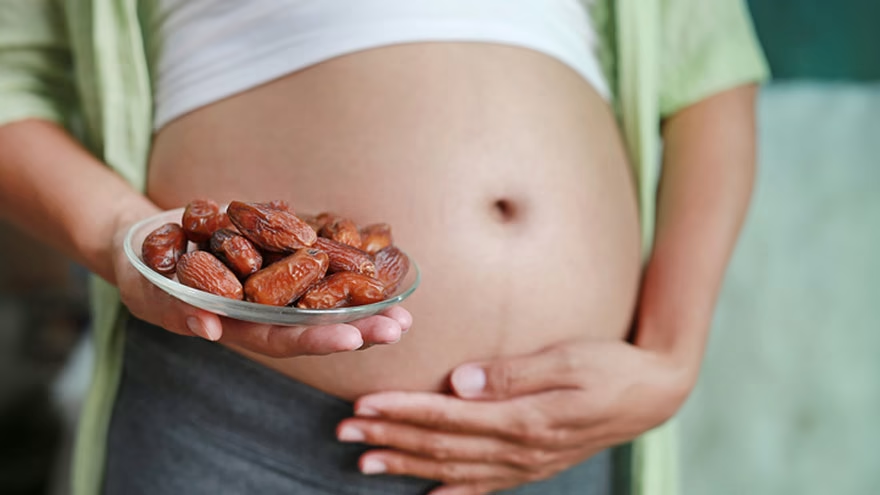
What Are the Benefits of Dry Fruits in Early Pregnancy? Dried fruits can offer fiber, quick energy, minerals, and a nausea-friendly sweet option, but portions and added sugar matter.
Dry fruits are concentrated. Removing water makes them smaller and sweeter per bite. That can be useful when appetite is low, but it also makes overeating easy.
Fiber For Constipation
Constipation is common early in pregnancy. Dried fruits such as prunes, apricots, figs, raisins, and dates can add fiber, especially when paired with fluids.
NHS pregnancy diet guidance says fruit and vegetables provide vitamins, minerals, and fiber that can help digestion and prevent constipation, and that dried fruit can count toward daily fruit and vegetable intake: NHS healthy diet in pregnancy.
Increase fiber gradually. A sudden large handful of dried fruit may cause gas, cramping, or diarrhea.
Iron And Mineral Support

Some dried fruits, especially dried apricots and raisins, can contribute small amounts of iron and potassium. They are not enough by themselves to treat anemia.
ACOG's healthy eating guidance discusses iron-rich foods and taking prenatal vitamins with iron during pregnancy: ACOG healthy eating during pregnancy.
Plant iron is absorbed better when eaten with vitamin C foods. Pair dried apricots with oranges, strawberries, peppers, or another vitamin C source when it fits your stomach.
Quick Energy When Nausea Hits
Early pregnancy nausea can make full meals hard. A few raisins, dates, or dried apricot pieces can provide quick carbohydrate when you need something small.
If nausea is strong, pair dried fruit with a bland food or protein: crackers, nuts, yogurt made with pasteurized milk, or oatmeal.
For more nausea-friendly ideas, bland pregnancy foods is a useful internal guide.
Portions Matter
A small handful is often enough. Dried fruit is calorie-dense and can raise blood sugar quickly, especially if eaten alone.
If you have gestational diabetes risk, insulin resistance, or blood sugar monitoring, ask how dried fruit should fit into your carbohydrate plan.
Choose unsweetened dried fruit when possible. Cranberries, mango, pineapple, and banana chips often have added sugar or oil.
Food Safety And Storage
Buy dried fruit from a clean source, check dates, keep packages sealed, and watch for mold, off smells, or insects.
USDA FoodData Central provides nutrient data for many foods and can help compare dried fruit types without relying on package marketing alone: USDA FoodData Central.
Wash hands before snacking. Dried fruit is ready to eat, so clean handling matters.
Best Pairings

Pair dried fruit with protein or fat for a steadier snack: nuts, nut butter, cheese made with pasteurized milk, yogurt, oatmeal, or whole-grain toast.
If reflux is an issue, acidic dried fruits or large portions may bother you. Keep portions small and avoid lying down right after eating.
If body image or appetite changes feel stressful, feeling attractive during pregnancy may help emotionally.
Dry Fruits To Use Carefully
Dates, raisins, figs, prunes, apricots, and dried apples can all fit, but candied fruit, sweetened cranberries, yogurt-covered raisins, and chocolate-covered fruit are closer to candy.
Dried fruit can stick to teeth. Rinse with water and keep regular dental care, especially if morning sickness has increased acid exposure.
If you are allergic to sulfites or sensitive to preservatives, read labels on dried apricots and other dried fruits.
Early Pregnancy Practical Plan

Keep a small container with measured portions. Combine dried fruit with nuts or crackers. Drink water. Do not use dried fruit as the only fruit source all day.
Fresh, frozen, canned, and dried fruits can all play different roles. Variety helps nutrients and keeps sugar concentration in balance.
If early pregnancy timing is still unclear, early pregnancy signs may help with symptom context, but nutrition needs should be discussed after pregnancy is confirmed.
When To Ask For Advice
Ask a clinician or dietitian if you have diabetes, anemia, severe nausea, poor weight gain, constipation that does not improve, or food restriction concerns.
If mood or appetite changes are heavy, depression during pregnancy may be relevant alongside nutrition care.
Dried fruit is helpful for some people, but it is one tool, not a full pregnancy diet.
Constipation Plan With Dried Fruit
Start small: two prunes, a few dried apricots, or a tablespoon of raisins with breakfast. Add water and give your body a day or two to respond.
If constipation is severe, painful, or paired with bleeding, ask your clinician before pushing fiber higher. Stool softeners or other care may be needed.
Dried fruit works best as part of a routine: fluids, movement if cleared, enough meals, and bathroom time without rushing.
Blood Sugar And Teeth
Dried fruit is sticky and concentrated. It can cling to teeth and raise blood sugar faster than a larger serving of fresh fruit.
Rinse with water after snacking, especially if nausea has increased acid in the mouth. Keep regular dental care during pregnancy.
If blood sugar is being monitored, test how dried fruit affects your numbers rather than assuming natural sugar is always gentle.
Label Terms To Watch
Look for unsweetened, no added sugar, and ingredients you recognize. Some packages add cane sugar, juice concentrate, syrup, or oil.
Sulfured dried fruit keeps a brighter color, while unsulfured fruit may look darker. If sulfites trigger symptoms for you, choose carefully.
Trail mixes can hide candy pieces, sweetened yogurt coatings, and salty nuts. Build your own if the premade mix does not fit your needs.
Easy Ways To Use It
Add chopped dates to oatmeal, prunes to yogurt, raisins to rice pudding, apricots to trail mix, or figs with whole-grain toast and nut butter.
Keep portions measured in small containers. That turns dried fruit into a planned snack rather than a handful that keeps growing.
If reflux is worse, avoid large late-night portions and choose gentler snacks.
Dry Fruit Versus Fresh Fruit
Fresh fruit gives more water and volume. Dried fruit gives a smaller, sweeter, more concentrated bite. Both can fit, but they do not feel the same in the body.
If you are hungry, fresh fruit plus protein may be more filling. If you are nauseated and need something tiny, dried fruit may be easier.
Use dried fruit as a tool, not the only fruit source all day.
Travel And Work Snacks
Dried fruit travels well because it does not bruise or leak. Pack a measured portion with nuts, crackers, or roasted chickpeas for a steadier snack.
Keep it away from heat and moisture. A sticky bag in a hot car is less appealing and may not store well.
If you are on a tight schedule, pre-portion snacks once a week so tired mornings do not turn into skipped food.
When To Limit It
Limit dried fruit if it worsens reflux, diarrhea, gas, tooth sensitivity, or blood sugar readings. Helpful foods can still have poor timing or portions.
If constipation is the reason you are eating it, add fluids and gradual fiber rather than taking very large servings.
If you are unsure, ask a dietitian to fit dried fruit into your actual meal pattern.
Morning Sickness Snack Ideas
Keep a small container near the bed if morning nausea is strong. A few raisins or dried apple pieces with crackers may be easier than walking to the kitchen hungry.
If sweetness makes nausea worse, switch to plain toast, rice cakes, or another bland food. Dry fruits are optional, not required.
If you cannot keep fluids down or are losing weight, call your clinician instead of trying to solve it with snacks.
Nutrient Reality Check
Dried fruit can contribute fiber and minerals, but it does not replace vegetables, protein, calcium foods, prenatal vitamins, or medical treatment for deficiencies.
Use it beside meals, not as the whole meal. A trail mix portion with nuts is usually stronger than dried fruit alone.
If you are vegetarian or vegan, dried fruit may help with iron intake, but B12, iodine, and protein still need separate planning.
Frequently Asked Questions
Are dry fruits good in early pregnancy?
They can be, especially for fiber and quick energy, but portions and added sugar matter.
Which dried fruits are best?
Unsweetened prunes, apricots, raisins, figs, dates, and dried apples can fit in small portions.
Can dried fruit help constipation?
It may help when paired with fluids and gradual fiber increases.
Can I eat dates in the first trimester?
Usually in modest portions, unless your clinician gives different advice for blood sugar or another condition.
Is dried fruit enough for iron?
No. It can contribute some iron, but prenatal vitamins and other iron-rich foods may still be needed.
This article is for general information only and isn't a substitute for medical advice. Talk to a clinician who knows your full history before making changes.

Chiara Bradshaw
Covers education, culture and creative topics with an emphasis on readable explanations and verifiable references.




Leave a reply
Replying to