
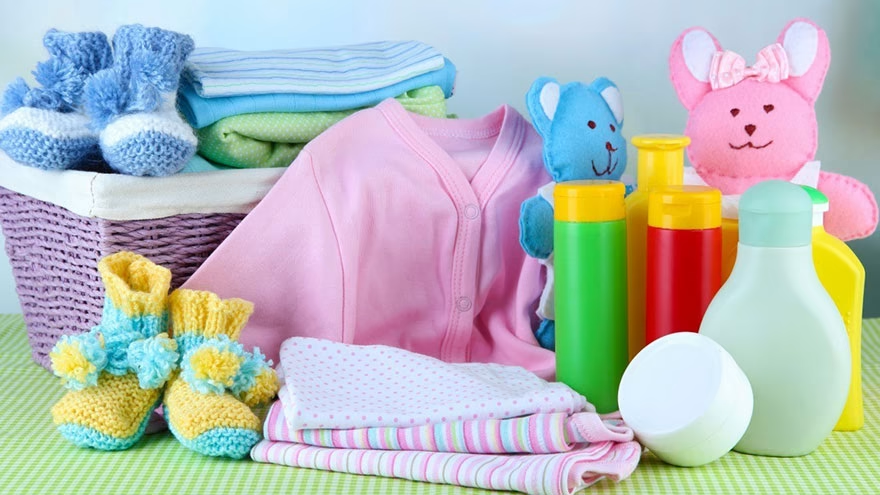
A list of needed baby items should make the first weeks calmer, not turn the house into a storage unit. The best list starts with safety, feeding, diapers, sleep, transport, and a few care basics.
Buy enough to be ready, then leave room to learn your baby's size, skin, feeding pattern, and daily rhythm.
Start With Safe Sleep
The American Academy of Pediatrics recommends placing babies on their backs for sleep on a firm, flat, noninclined surface with no soft bedding: AAP safe sleep guidance. That guidance should shape the crib, bassinet, mattress, and bedding choices before any nursery style decision.
The needed items are simple: a safe sleep space, fitted sheets that fit the mattress, and sleep clothing that suits the room temperature. Pillows, blankets, bumpers, positioners, and loose stuffed items do not belong in the sleep space.
Use CPSC Safety Basics For Sleep Products
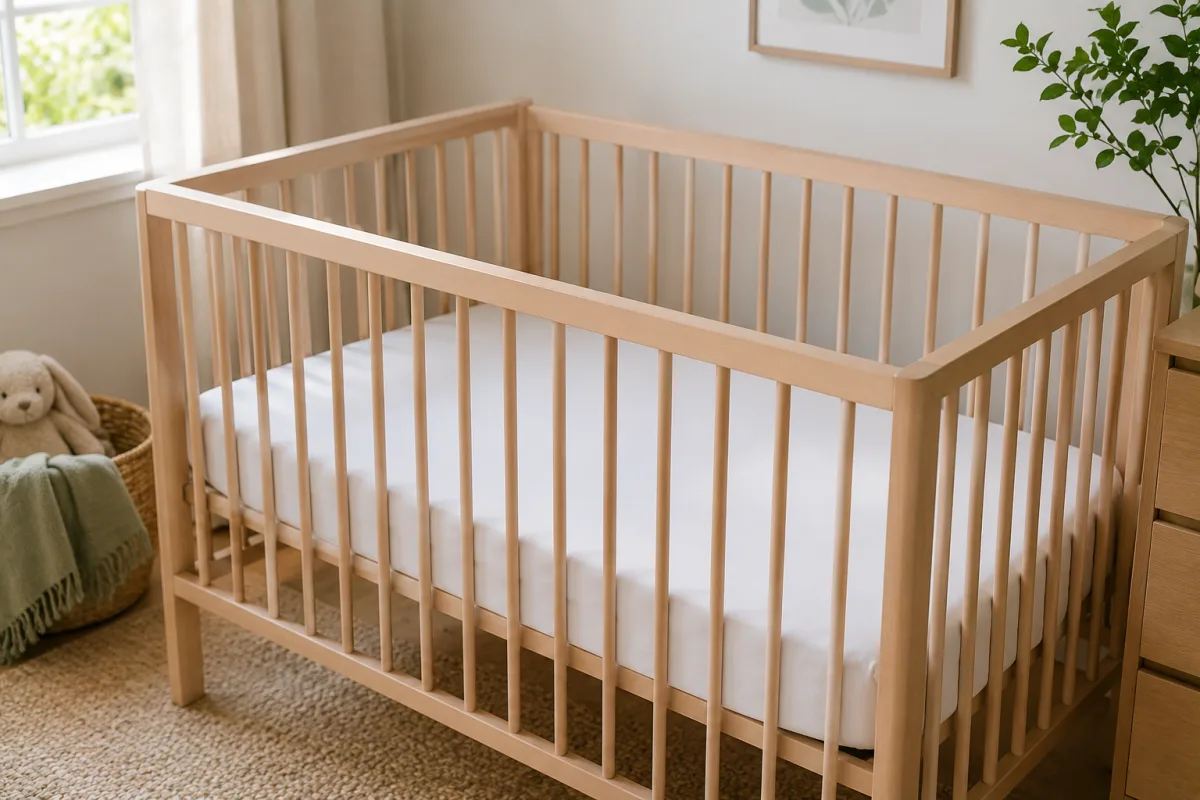
The Consumer Product Safety Commission tells caregivers to use safe sleep products and keep pillows, blankets, and other soft items out of the baby's sleep area: CPSC safe sleep guidance. Check that the product is meant for sleep, not just lounging.
After sleep gear, look around the room. Livecub's room-by-room baby-proofing guide can help parents think beyond the shopping list.
Prepare Diapering Without Overbuying
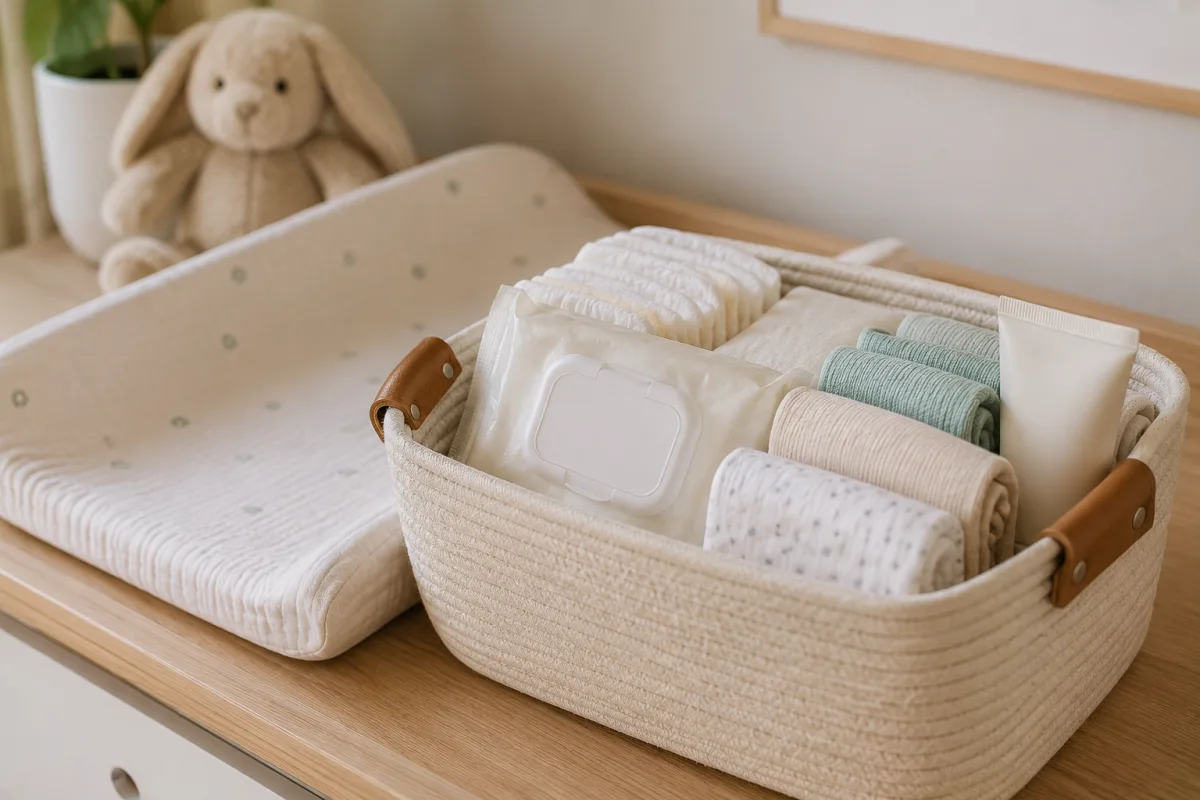
Buy a small supply of newborn and size-one diapers rather than filling a closet with one size. Add wipes, a changing pad or washable mat, diaper cream, trash bags, and two easy places to change the baby.
Skin can change quickly, especially with heat, moisture, or new products. Livecub's guide to baby rash and blister care is a useful follow-up when irritation appears.
Set Up Feeding Supplies For Your Plan
Breastfeeding, pumping, formula feeding, and mixed feeding all need different supplies. Start with burp cloths, bibs, bottles if you will use them, a safe way to clean parts, and a simple place to track feedings in the first days.
Do not buy every bottle shape at once. Babies can be particular, and parents learn fast what works in their kitchen at 2 a.m.
Buy Clothes That Make Care Easier
Choose soft, washable clothes with easy diaper access. A small set of sleepers, onesies, socks, weather layers, and swaddles or sleep sacks is enough for many newborns.
Avoid outfits that are hard to open, scratchy, or dependent on tiny accessories. Newborn clothing should help care, not slow it down.
Get Bath And Basic Care Items Ready
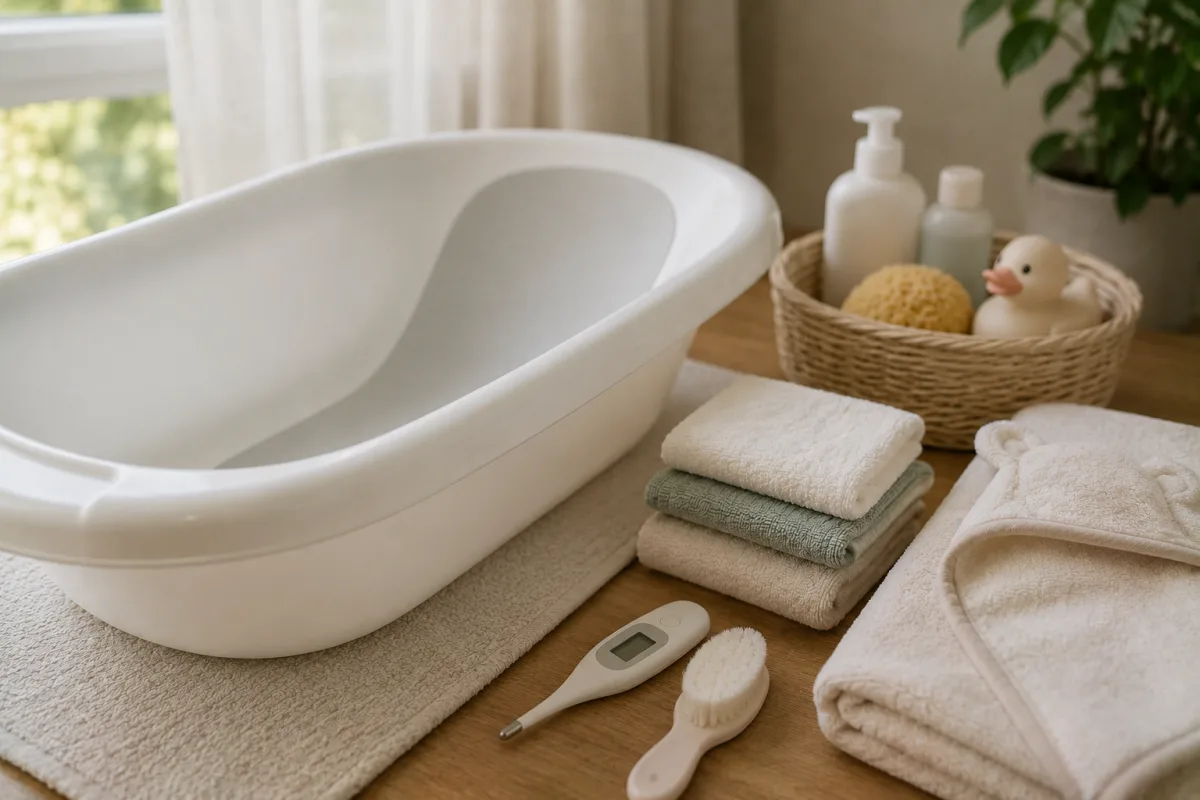
URMC's newborn preparation guidance includes practical home items such as diapers, clothing, bathing supplies, and a thermometer: URMC newborn home preparation guidance. Keep baby wash gentle and the list short.
Bathing can feel awkward at first. Livecub's guide to wash an infant is a focused companion once the tub is actually being used.
Keep A Small Health Kit
A digital thermometer, nail file or baby nail clippers, saline drops if advised, petroleum jelly if recommended, and the pediatrician's phone number are more useful than a crowded medicine shelf.
For common newborn quirks, Livecub's guide to ease newborn hiccups can help parents decide what is normal and what needs a call.
Adjust For Premature Or Low Birth Weight Babies
A premature baby may need smaller diapers, special feeding instructions, closer temperature attention, and more careful developmental follow-up. Livecub's guide to premature baby development is a better fit than a generic list for those families.
Parents comparing early growth concerns can also read Livecub's guide on low birth weight and preterm infants. The right baby list should follow the baby's needs, not a registry trend.
Buy For The First Month, Not The Whole Childhood
New parents are often handed giant lists. A better list covers sleep, feeding, diapers, safe transport, weather, basic care, and a way to contact help. Anything outside that can usually wait until you know your baby.
This approach protects money and storage space. It also keeps caregivers focused on the few items that need to be ready before the first night home.
Check Recalls And Assembly Twice
Before using a crib, bassinet, stroller, car seat, swing, or carrier, look for the model number and read the manual. Secondhand gear can be useful, but missing parts and old instructions can create risk.
Assemble sleep and travel gear before the baby arrives, then let another adult check the setup. Tired people miss small details.
Set Up Care Stations Where Life Happens
A diaper basket, burp cloths, spare clothes, wipes, and a safe place to put the baby can be placed near the couch or bedroom. The goal is not a picture-perfect nursery; it is fewer rushed trips across the house.
Keep creams, medicines, and small items out of reach as the baby grows. A setup that works for a newborn may need changes once rolling and crawling begin.
Leave Room For Your Baby's Needs
Some babies need preemie diapers, special feeding equipment, extra burp cloths, skin care changes, or a different sleep plan from the one parents expected. Buy the basics, then adjust.
A calm list leaves money for the item you did not know you needed yet.
Choose Items Other Caregivers Can Use
A product is less useful if only one tired parent understands it. Pick carriers, bottles, thermometers, swaddles, and diaper supplies that another caregiver can use after a short explanation.
This matters during recovery, night care, grandparent visits, and pediatric appointments. Clear, simple gear makes it easier for someone else to help safely.
Keep The Car Seat Plan Separate
The car seat is not just another registry item. It needs to fit the baby, the vehicle, and the installation method, and it should be ready before the ride home.
Practice adjusting the straps with a stuffed item or doll, then read the manual again. The first real ride is not the best time to learn every buckle.
Make Laundry Part Of The List
Burp cloths, sleepers, swaddles, crib sheets, and washable changing covers can reduce stress more than many gadgets. Newborn care creates laundry quickly.
Choose fabrics that can be washed often and dried easily. Fancy items that need special care tend to stay in drawers when parents are exhausted.
Store Small Items Before Crawling Starts
A newborn will not crawl today, but the house changes fast. Batteries, small toy parts, medicine caps, cord pieces, and loose hardware should already have a safe home.
Building that habit early makes the later baby-proofing stage less rushed. The safest storage system is the one adults will actually use.
Let Gifts Fill Gaps, Not Create Clutter
Friends and relatives may want to buy cute extras. Share a short list of practical gaps: diapers in a usable size, wipes, sleep clothing, burp cloths, freezer meals, or gift cards.
This protects the home from duplicate gear and helps loved ones give something that will actually be used in the first weeks.
Keep Manuals In One Place
Manuals for the car seat, stroller, crib, thermometer, pump, and monitor should live in one folder or drawer. Parents should not have to search boxes when a setting or warning light is confusing.
Take a photo of model numbers as well. That makes recall checks, replacement parts, and customer service calls much easier.
Build A Small Leaving-The-House Kit
A first diaper bag does not need to be complicated. Pack diapers, wipes, a change of clothes, a burp cloth, feeding supplies, a changing mat, and a plastic bag for soiled items.
Restock it after each outing. A simple kit can make pediatric visits and short errands feel less chaotic, especially during the first tired weeks at home together.
Frequently Asked Questions
What does a newborn truly need at home?
A safe sleep space, diapers, wipes, feeding supplies, weather-appropriate clothes, a car seat, bathing basics, and a way to contact the pediatrician cover the core needs.
Should I buy many newborn diapers?
Buy a small supply first. Some babies outgrow newborn size quickly, and others need a different brand or fit.
Are crib bumpers or pillows needed?
No. Safe sleep guidance says the sleep space should stay clear of soft bedding, pillows, bumpers, and loose items.
What should wait until after birth?
Large toy collections, extra bottle systems, many outfits in one size, and specialized gadgets can usually wait until you know what your baby uses.
This article is for general information only and isn't a substitute for medical advice. Talk to a clinician who knows your full history before making changes.

Chiara Bradshaw
Covers education, culture and creative topics with an emphasis on readable explanations and verifiable references.



Leave a reply
Replying to