
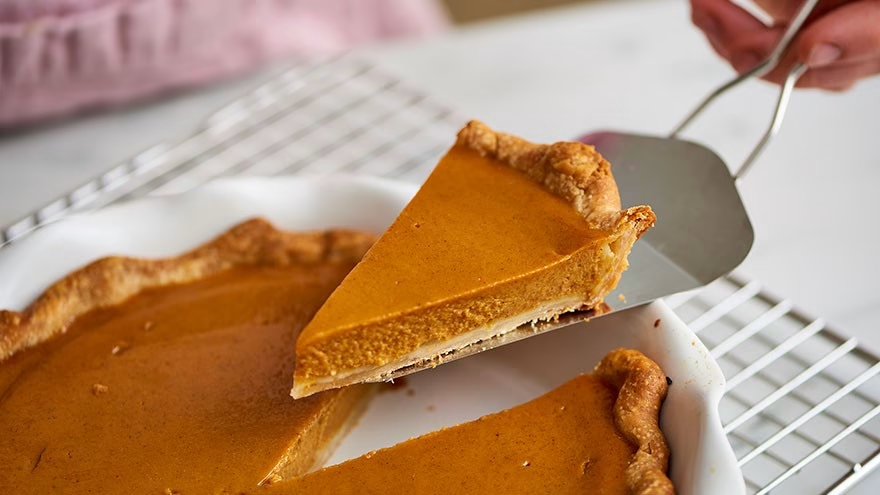
Pumpkin Is More Than One Dessert
Beyond Pumpkin Pie is a useful idea because pumpkin often gets trapped in one holiday role. Pie is good, but pumpkin puree can bring moisture, color, mild sweetness, and body to many dishes. It works in quick breads, muffins, pancakes, soups, pasta sauces, custards, dips, and savory sides.
The first choice is canned pumpkin or homemade puree. Canned plain pumpkin is consistent and easy. Pumpkin pie filling is different because it already contains sugar and spices. Homemade puree can be delicious, but it may be wetter or looser than canned puree, so recipes may need adjustment.
Real Simple's explanation of canned pumpkin versus pie filling is useful for avoiding the most common mix-up. If a recipe says pure pumpkin, do not grab pre-sweetened pie mix unless you plan to change the sugar and spice.
Quick Breads and Muffins
Pumpkin quick bread is one of the easiest ways to move beyond pie. Pumpkin adds moisture and color, while cinnamon, ginger, nutmeg, cloves, or cardamom bring warmth. Add nuts, chocolate chips, orange zest, cranberries, or a simple glaze depending on the style you want.
Muffins use the same idea in smaller form. They bake faster, freeze well, and work for breakfast or snacks. Avoid overmixing the batter because too much stirring can make muffins tough. Mix dry and wet ingredients until just combined.
Because pumpkin adds moisture, watch the bake rather than trusting the clock exactly. A loaf may need extra time in the center. Tent with foil if the top browns before the middle is done. A tester should come out with moist crumbs, not wet batter.
If you like decorated desserts, Livecub's Christmas cookie ornaments article can inspire presentation ideas. Pumpkin muffins or mini loaves can be wrapped simply for fall gifts without turning into a full pie project.
Pancakes, Waffles, and Breakfast
Pumpkin puree works well in pancakes and waffles because it adds moisture and a gentle earthy sweetness. Use less liquid than usual if the batter becomes thin. Pumpkin batter often needs a little more time to cook through, especially in thick pancakes.
For oatmeal, stir pumpkin puree into the pot near the end with cinnamon, milk, and a little maple syrup or brown sugar. Add nuts, yogurt, or fruit for texture. Pumpkin also works in smoothies, but use a small amount so the drink does not taste heavy.
Breakfast pumpkin recipes are best when they avoid too much sugar. Let the pumpkin and spice do some of the work. A sweet breakfast can be pleasant without becoming dessert before 9 a.m.
For meal prep, freeze pumpkin pancakes between sheets of parchment and reheat them in a toaster or oven. That gives you the flavor without mixing batter on a busy morning. Add yogurt or nuts for breakfast balance.
Soups and Savory Bowls
Pumpkin soup can be smooth, spicy, creamy, or brothy. Start with onion or leek, add garlic or ginger, then stir in pumpkin puree and broth. Finish with cream, coconut milk, yogurt, herbs, or toasted seeds. A little acid, such as lemon or vinegar, helps keep the soup from tasting flat.
Savory pumpkin also works in grain bowls. Add roasted vegetables, greens, beans, sausage, chicken, lentils, or rice. Pumpkin puree can become a sauce when loosened with broth and seasoned with smoked paprika, cumin, curry powder, or chile.
Livecub's asparagus rolls and corn souffle recipes sit in the same side-dish world: a familiar vegetable or puree can feel new when texture and seasoning change.
Pasta, Risotto, and Sauces
Pumpkin puree can make a quick pasta sauce. Warm it with butter or olive oil, garlic, broth, Parmesan, sage, black pepper, and a splash of pasta water. The sauce should coat the pasta, not sit like paste. Add more liquid until it loosens.
For risotto, pumpkin can be stirred in during the last part of cooking. It adds color and body without needing a heavy cream sauce. Pair it with mushrooms, sausage, greens, or toasted nuts. Taste for salt because pumpkin can make a dish seem sweeter than expected.
Ravioli or stuffed shells can use pumpkin with ricotta, Parmesan, herbs, and a little nutmeg. Keep the filling thick so it does not leak. If using homemade puree, drain it first through a fine sieve or cheesecloth.
Pumpkin also works in macaroni-style sauces when blended with cheese and milk or stock. It should support the sauce, not replace all the richness. A little mustard, black pepper, or hot sauce can keep the dish from tasting too sweet.
Dips, Spreads, and Snacks
Pumpkin can be used in dips when balanced with salt, acid, and fat. Mix it with yogurt, tahini, cream cheese, white beans, or hummus-style ingredients. Add lemon, garlic, cumin, smoked paprika, or chile flakes for a savory direction.
For a sweet spread, mix pumpkin with cream cheese, maple syrup, cinnamon, and a pinch of salt. Serve with toast, apples, graham crackers, or plain cookies. Keep sweet spreads refrigerated and do not leave dairy-based dips out for long periods.
If you need a dessert topping, Livecub's fudge icing article shows a different kind of rich finish. Pumpkin desserts often need contrast too, such as chocolate, cream cheese, toasted nuts, or caramel.
For snacks, stir a spoonful of pumpkin into plain yogurt with cinnamon and a little honey. It is not pie, but it gives the same fall direction in two minutes. Keep the portion small so the yogurt stays creamy.
Storage and Food Safety
Once a can of pumpkin is opened, move leftovers to a covered container and refrigerate. Do not store the opened can as the main container. Use refrigerated pumpkin within a few days or freeze measured portions for later baking and cooking.
The UC Master Food Preserver Program's pumpkin page notes that pumpkin purees and pumpkin butter should be stored in the refrigerator or freezer rather than canned for room-temperature storage. Its pumpkin preservation guidance is worth reading before trying to preserve pumpkin at home.
Label frozen puree with the amount and date. Half-cup and one-cup portions are useful for muffins, pancakes, sauces, and soups. Thaw in the refrigerator and drain excess liquid if the puree looks watery.
Do not freeze pumpkin in one large block unless you plan to use it all at once. Smaller portions reduce waste and make weeknight cooking easier. Practical storage is recipe flexibility.
How to Balance Pumpkin Flavor
Pumpkin is mild, so it needs support. In sweet recipes, salt and spice keep it from tasting dull. In savory recipes, acid, herbs, pepper, garlic, onion, cheese, or broth can make it feel complete. Too much spice can cover the pumpkin entirely, so start smaller than the jar suggests.
Texture matters too. Pumpkin can make batters dense if used heavily. It can make sauces thick if not loosened. It can make soups bland if the seasoning is shy. Taste as you go and adjust the dish in front of you.
Going beyond pumpkin pie is mostly about treating pumpkin as an ingredient, not a season. Once you understand moisture, spice, salt, and storage, pumpkin becomes useful far past one holiday table.
Start with one sweet recipe and one savory recipe. That contrast teaches more than making three similar desserts. After that, the can in the pantry becomes a year-round tool instead of a holiday leftover. Keep experimenting in small practical kitchen batches.
If a recipe needs only part of a can, plan the second use before opening it. Half a cup can go into pancakes, soup, oatmeal, dip, or pasta sauce. Planning the leftover turns pumpkin into pantry value.
Keep spice blends flexible. Pumpkin pie spice is convenient, but single spices give more control. Ginger can brighten, cinnamon can warm, and clove should stay quiet. That control creates better balance.
Frequently Asked Questions
Can I use pumpkin pie filling instead of pumpkin puree?
Only if you adjust the recipe. Pie filling already contains sugar and spices, while plain pumpkin puree does not.
What savory dishes use pumpkin?
Pumpkin works in soup, pasta sauce, risotto, grain bowls, dips, curries, and side dishes with herbs, cheese, or spices.
Can pumpkin puree be frozen?
Yes. Freeze measured portions in airtight containers, label them, and thaw in the refrigerator before using.
Why is homemade pumpkin puree watery?
Fresh pumpkin can hold more water than canned puree. Drain it through a sieve or simmer it briefly to reduce excess moisture.

Chiara Bradshaw
Covers education, culture and creative topics with an emphasis on readable explanations and verifiable references.


Leave a reply
Replying to