
A Small-Bird Christmas Menu With Less Drama
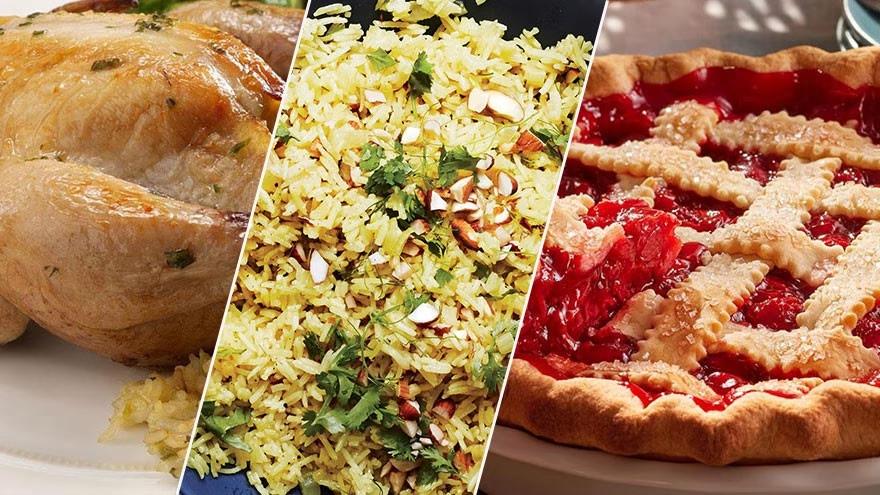
These Christmas dinner menu recipes are built around individual Cornish hens, rice pilaf, mixed vegetables, fresh bread, and cherry pie. The mood is festive, but the menu is not oversized. Each guest gets a small bird, the sides are familiar, and the dessert can be made ahead.
The risk with a menu like this is timing. Cornish hens need oven space and a thermometer. Rice needs a quiet covered pot. Vegetables need to stay bright.
Pie needs cooling time. A good Christmas dinner plan respects the clock as much as the ingredients.
The menu works because the parts are simple enough to manage well.
The Menu
Serve one Cornish hen per adult if the birds are small, or split larger hens if you have many sides. Add rice pilaf, mixed vegetables, bread, butter, cranberry sauce if you like, and cherry pie for dessert.
For another bird-centered meal, Livecub's grilled whole duck recipe shows how a single centerpiece changes timing. Cornish hens are smaller, but they still need the same respect for doneness.
Small poultry is still poultry.
Shopping List
For 4 adults, buy 4 small Cornish hens, 1 1/2 cups long-grain rice, broth, onion or shallot, butter, herbs, lemons, 2 to 3 pounds mixed vegetables, bread, butter, and one cherry pie. Add cranberry sauce, salad, or wine if those fit your table.
Buy the hens early enough that you are not choosing from the last frozen birds in the case. If frozen, thaw them safely in the refrigerator, not on the counter. Build the menu around the real thawing time, not wishful thinking.
Cornish Game Hens
Plan 1 hen per person for a generous dinner. Pat the hens dry, season with salt, pepper, softened butter or oil, garlic, thyme, rosemary, and lemon zest. Stuff the cavity loosely with lemon wedges and herbs, or skip stuffing and keep the seasoning outside.
USDA FSIS guidance on chicken from farm to table lists Cornish game hen cooking guidance and the 165 degrees F safe minimum internal temperature. Use a thermometer in the thickest part and, if stuffed, check the stuffing too.
Roast at 400 degrees F until browned and cooked through. Rest for 10 minutes before serving so juices settle.
Pan Sauce or Gravy
A simple pan sauce can make the small birds feel more festive. After the hens rest, pour off excess fat, set the roasting pan over low heat if the pan is stovetop-safe, and add a splash of broth. Scrape up browned bits, simmer briefly, and whisk in a small knob of butter.
If the pan is not stovetop-safe, pour the juices into a small saucepan. Taste before salting because poultry drippings can already be concentrated. A light sauce is better than a salty one.
Rice Pilaf
Rice pilaf gives the plate warmth without fighting the bird. Cook onion or shallot in butter, add rinsed long-grain rice, stir until the grains look glossy, then add broth. Cover and cook gently until the liquid is absorbed.
Add toasted almonds, parsley, dried cranberries, or orange zest if you want the pilaf to feel more like a holiday side. Keep the seasoning balanced because the hens and gravy may already be salty.
Livecub's basic corn souffle recipe is another side-dish direction if you want a softer, sweeter side instead of rice.
Mixed Vegetables
Use vegetables that cook at the same pace or cook them in stages. Carrots, green beans, Brussels sprouts, broccoli, parsnips, and peas can all work. Roast firm vegetables and steam quick green vegetables if the oven is crowded.
Finish with butter, olive oil, lemon, herbs, or toasted nuts. Do not bury good vegetables under a heavy sauce unless that is the whole point of the dish. A bright side helps balance the rich poultry and dessert.
Fresh Bread and Butter
Bread does not need to be homemade if the rest of the menu is already busy. Buy a good loaf, warm it briefly, and serve with salted butter. If you bake, choose a bread that can be made earlier in the day.
Keep bread away from steam so the crust stays pleasant. Slice close to serving time, or wrap loosely if the loaf needs to wait.
Cherry Pie
Cherry pie is the best make-ahead part of this menu. Bake it earlier in the day or the day before, then serve at room temperature or warm slices gently. This keeps dessert from competing with poultry timing.
If you want another sweet item on the table, Livecub's Christmas cookie ornaments recipe can carry the decorative role while the pie stays simple.
Set the Table Before the Oven Gets Busy
Set plates, glasses, serving spoons, trivets, carving tools, and leftover containers before the hens go into the oven. This sounds small, but it keeps the last 20 minutes from turning into a scavenger hunt.
Put the thermometer where you can reach it. Put a clean platter beside the stove. If guests are helping, give one person bread and butter and another person drinks. Clear jobs prevent kitchen traffic.
Timing the Dinner
The day before, make the pie, trim vegetables, measure rice, and mix seasoned butter for the hens. On dinner day, bring the hens out of the refrigerator only as long as needed for prep, then roast. Start rice while the hens cook. Finish vegetables during the hen rest.
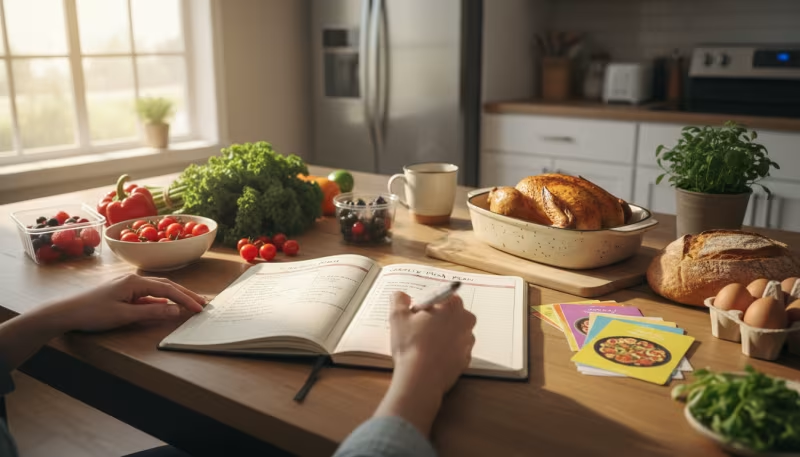
Write the schedule on paper. Holiday cooking often fails because the cook keeps the whole plan in memory while guests ask questions and the oven timer beeps.
A written timeline is calmer than a heroic memory.
How to Serve the Hens
If each guest gets a whole hen, serve on warm plates with rice and vegetables already nearby. If splitting hens, use kitchen shears to cut along the backbone and breastbone after resting. Keep the skin side up so the plate still looks generous.
Offer sauce at the table instead of drowning the birds in the kitchen. That lets guests choose how rich the plate becomes, and it keeps crisp skin from softening too fast.
Hold Food Without Drying It Out
If the hens finish early, tent them loosely with foil while rice and vegetables finish. Do not wrap tightly for a long time, or the skin softens and the meat keeps steaming. Warm plates help more than a frantic oven reheat.
Keep rice covered off heat for a short rest. Keep vegetables uncovered if steam is making them dull. Holding food well is part of cooking it well.
Food Safety and Leftovers
USDA FSIS leftover guidance says perishable foods should not sit at room temperature for more than 2 hours, or 1 hour above 90 degrees F. Holiday tables stretch time, so set a cleanup alarm if needed.
Remove meat from bones before storing if that helps the leftovers cool faster. Refrigerate rice and vegetables in shallow containers. Label the date so no one has to guess two days later.
For another leftover-friendly dish, Livecub's easy Yugoslavian chicken recipe offers a simpler chicken dinner after the holiday rush.
Make the Menu Easier
Buy the bread. Make the pie ahead. Use pre-trimmed vegetables if that saves the day. Skip a sauce if the hens are well seasoned. A smaller menu cooked well is better than a crowded menu that makes everyone wait.
If guests bring food, assign dishes that do not need your oven at the last minute. Salad, bread, cranberry sauce, cookies, or wine are safer asks than a casserole that needs the same rack as the hens.
What to Skip
Skip extra casseroles if oven space is tight. Skip a second dessert if the pie is good. Skip elaborate appetizers if the hens are the main event. A Christmas dinner does not need every holiday food on one table.
Restraint helps the cook and the food.
Frequently Asked Questions
How many Cornish hens do I need?
Plan one small hen per adult for a generous plate, or split larger hens if you have several sides.
What temperature should Cornish hens reach?
Cook poultry to 165 degrees F measured with a food thermometer in the thickest suitable part.
Can I make the cherry pie ahead?
Yes. Cherry pie can be baked the day before, then served at room temperature or gently warmed.
What can I prep the day before?
Make the pie, trim vegetables, measure rice, mix seasoned butter, set the table, and write the cooking timeline.

Linda Fehrman
Edits general wellness and relationship explainers. Health material is educational, avoids diagnosis and links to health-authority guidance.

Leave a reply
Replying to