
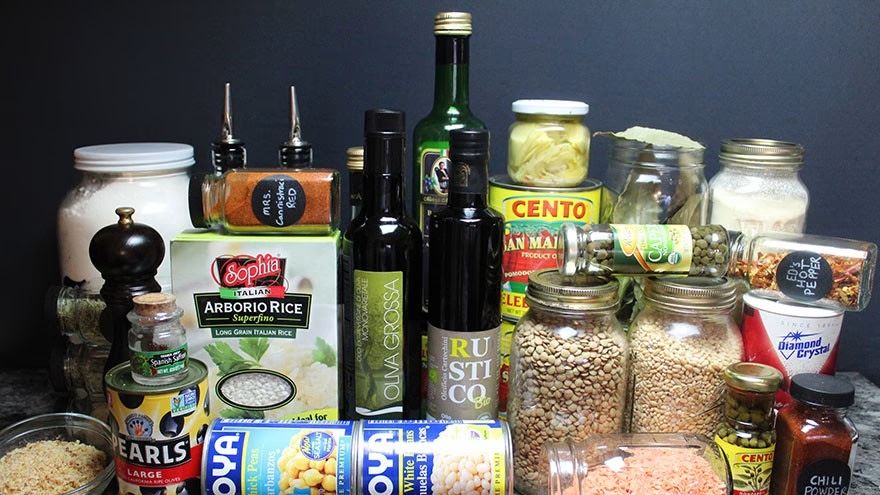
How to stock your pantry is not about buying every item a chef might use. It is about keeping the right basics for the way you actually cook. A useful pantry saves time, reduces last-minute shopping, and helps you turn fresh food into meals before it spoils. A cluttered pantry does the opposite, so this version focuses on shelf life, personal staples, rotation, and organization.
Start with the way you cook
Before buying pantry staples, write down ten meals you cook often. Then list the shelf-stable ingredients those meals need: rice, pasta, flour, beans, canned tomatoes, stock, oil, vinegar, spices, baking powder, sugar, nut butter, oats, or sauces.
A pantry for weeknight stir fries is different from a pantry for bread baking or packed lunches. If sauces are central to your cooking, ideas like stir fry sauces can show which vinegars, oils, sweeteners, and seasonings are worth keeping.
Your pantry should answer your meals. It does not need to impress anyone who cooks differently.
Build a useful core shelf
A practical pantry often includes salt, pepper, a few spices, flour, sugar, baking soda, baking powder, oats, rice, pasta, canned beans, canned tomatoes, canned fish or meat if used, stock, vinegar, oil, mustard, honey, nut butter, and shelf-stable sauces.
Do not buy large containers just because the price per ounce is lower. If you will not use a giant jar of spice before the aroma fades, it is not a good deal. Smaller containers can be cheaper in the long run.
Buy for turnover. Pantry food should move through the kitchen, not sit as decoration.
Use FoodKeeper for storage judgment
FoodSafety.gov says the FoodKeeper helps people understand food and beverage storage and maximize freshness and quality. Its FoodKeeper app is useful when you are unsure about a pantry item, refrigerator item, or freezer item.
Storage times are not a substitute for judgment. If a package is leaking, swollen, moldy, infested, rancid, or smells wrong, discard it. If the label says refrigerate after opening, follow the label.
Labels matter. Shelf-stable before opening does not always mean shelf-stable after opening.
Rotate with first in, first out
Put newer items behind older items. This is the basic first-in, first-out habit. It feels small, but it prevents buying the same can repeatedly while older cans drift into the back corner.
Utah State University Extension recommends first in, first out as an in-home food management method for reducing waste. Its reducing food waste guidance fits pantry rotation perfectly.
Rotation is cheaper than storage bins. Bins help, but the habit matters more than the container.
Organize by cooking task
Group baking items together, grains together, cans together, oils and vinegars together, snacks together, and backup condiments together. If you bake often, create a baking basket. If you cook beans often, keep beans, rice, canned tomatoes, and spices near each other.
A planned pantry also helps with quick meals like easy Yugoslavian chicken. When oil, spices, rice, and canned goods are easy to find, dinner starts faster.
Visibility saves money. You are less likely to overbuy when you can see what is already there.
Keep spices realistic
Spices lose aroma over time. Keep the ones you actually use, store them away from heat and light, and smell before adding them to food. If a spice has no aroma, it will add little to the dish.
Do not buy a large spice set if you only use six jars. Build from your food: black pepper, cumin, cinnamon, paprika, oregano, thyme, chile flakes, garlic powder, curry powder, or bay leaves depending on your meals.
Fresh enough is the goal. A small active spice shelf beats a large stale one.
Plan pantry-plus-fresh meals
The pantry becomes powerful when paired with fresh food. Canned beans plus greens, pasta plus tomatoes, rice plus eggs, oats plus fruit, and stock plus vegetables can become real meals quickly.
For produce-heavy meals, pair pantry staples with cooking greens or freezing fresh vegetables. The pantry gives structure, and the fresh or frozen food brings life.
Do not separate pantry from cooking. A stocked shelf matters only when it helps food reach the table.
Check the pantry before shopping
Make pantry checking part of the grocery routine. Open the cabinet, look at the freezer, check the refrigerator door, and write down what needs using. Then plan meals from those items before adding new ones.
This habit prevents duplicate purchases. It also turns half-used ingredients into dinner before they become stale, rancid, or forgotten.
Shop from the shelf first. The cheapest ingredient is often the one you already own.
Use clear zones
Zones do not have to be fancy. Put breakfast items together, baking items together, dinner staples together, snacks together, and backup cans together. If something does not fit a zone, ask whether it belongs in the pantry at all.
Bins help only when they make food easier to see. A bin that hides small packets can create a new back corner. Use shallow containers when possible.
Visibility is the goal. Organization should help you cook, not only make shelves look arranged.
Keep an emergency shelf realistic
A small emergency shelf can include water, shelf-stable meals, canned proteins, beans, rice, nut butter, crackers, and a manual can opener. Keep it separate enough that it does not disappear into normal snacking.
Rotate these foods too. Emergency food should still be food your household will eat before quality fades.
Prepared does not mean forgotten. Check the shelf a few times a year and replace what is aging.
Store oils and grains carefully
Oils can turn rancid, especially delicate nut and seed oils. Keep everyday oil away from heat and light, and buy specialty oils in small bottles unless you use them often. Smell before using if a bottle has been open for a long time.
Whole grains and flours can also lose quality. If your kitchen is warm or you buy in bulk, consider freezing some flour or grains in sealed containers. Label them so they do not become anonymous bags.
Quality control is part of stocking. A pantry full of stale ingredients makes cooking harder, not easier.
Make a restock list visible
Keep a small list on the pantry door or in your phone. When rice, oil, flour, beans, or baking powder runs low, add it immediately. This prevents discovering the missing item halfway through a recipe.
Review the list before shopping and remove anything you no longer cook with. Pantry lists should change as your real meals change.
A good list is short and alive. It should guide the next shop, not become another cluttered shelf.
Use a pantry night
Choose one night each week to cook mostly from the pantry. Add one fresh vegetable, egg, cheese, herb, or leftover protein if needed. The point is to move food through the shelf before buying more.
Pantry night can be rice bowls, pasta, soup, beans on toast, omelets, fried rice, or quick curry. Keep it simple enough that it feels like relief rather than a challenge.
This habit reveals gaps honestly. If you never use an item on pantry night, stop buying it.
Keep a small basket for items that expire soon or need attention. Put it at eye level, not in the back. Build the week's first meals around that basket.
If the basket keeps filling with the same ignored food, change the shopping habit. A pantry should reflect appetite, not wishful thinking.
Review the basket before trash day. That timing makes waste visible while there is still time to cook.
Small reviews keep pantry work light. Waiting six months turns the same task into a full cleanout.
Check monthly together.
Frequently Asked Questions
What should every pantry have?
Start with what you cook often. Most homes benefit from salt, oil, vinegar, grains, pasta, beans, canned tomatoes, flour, sugar, and a few spices.
How do I stop overbuying pantry food?
Shop from a list, rotate older items forward, and check the shelf before buying more.
Should spices be stored near the stove?
No. Heat and light can weaken them faster. Keep spices in a cool, dry, darker spot.
What should I throw away?
Discard swollen cans, leaking packages, rancid oils, infested grains, moldy food, and anything that smells wrong.
A good pantry is personal, visible, and active. Stock the foods you use, rotate them, store them well, and connect every shelf to meals you actually cook.

Cashie Evans
Covers parenting and practical household topics with clear steps, safety notes and links to current guidance.




Leave a reply
Replying to