
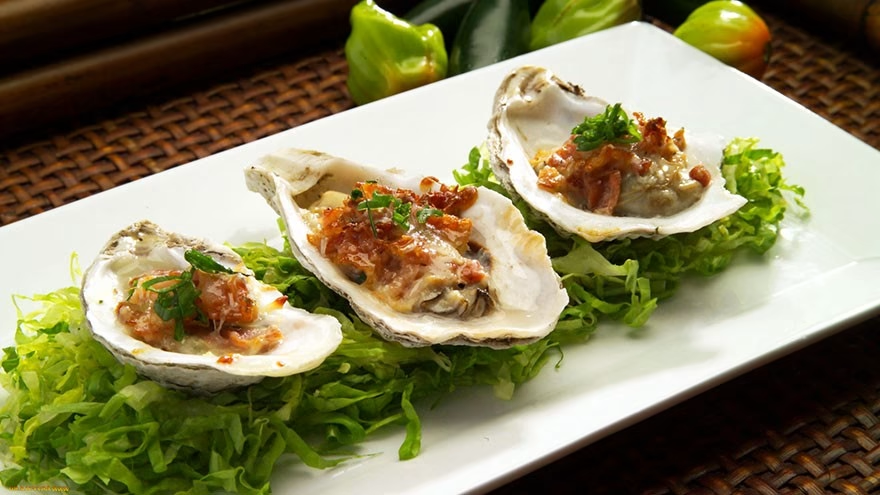
A spicy oysters recipe needs two things to be good: clean shellfish handling and a sauce that wakes up the brine without burying it. Oysters are already salty, mineral, and delicate, so the heat should come from chile, garlic, pepper, or hot sauce in a controlled way, not from dumping every spicy condiment in the kitchen onto the tray.
This version is built for cooked oysters, not raw service. It uses shucked oysters or oysters opened just before cooking, a butter-based chile garlic topping, a short bake or broil, and enough acid at the end to keep the dish bright. The result is spicy, buttery, and still recognizably oyster.
What Kind Of Oysters Work Best?
Use fresh oysters from a reputable fishmonger, seafood counter, or shellfish farm, and keep them cold until cooking. Smaller oysters cook quickly and make cleaner appetizers. Larger oysters can work, but they may need a little more topping and careful timing so the edges curl without the meat drying out.
The CDC warns that raw or undercooked oysters can carry Vibrio bacteria, and some infections can be severe for people with higher risk. Cooking lowers that risk. If anyone at the table is pregnant, immunocompromised, older, or managing liver disease, cooked oysters are the safer direction.
What Ingredients Do You Need?
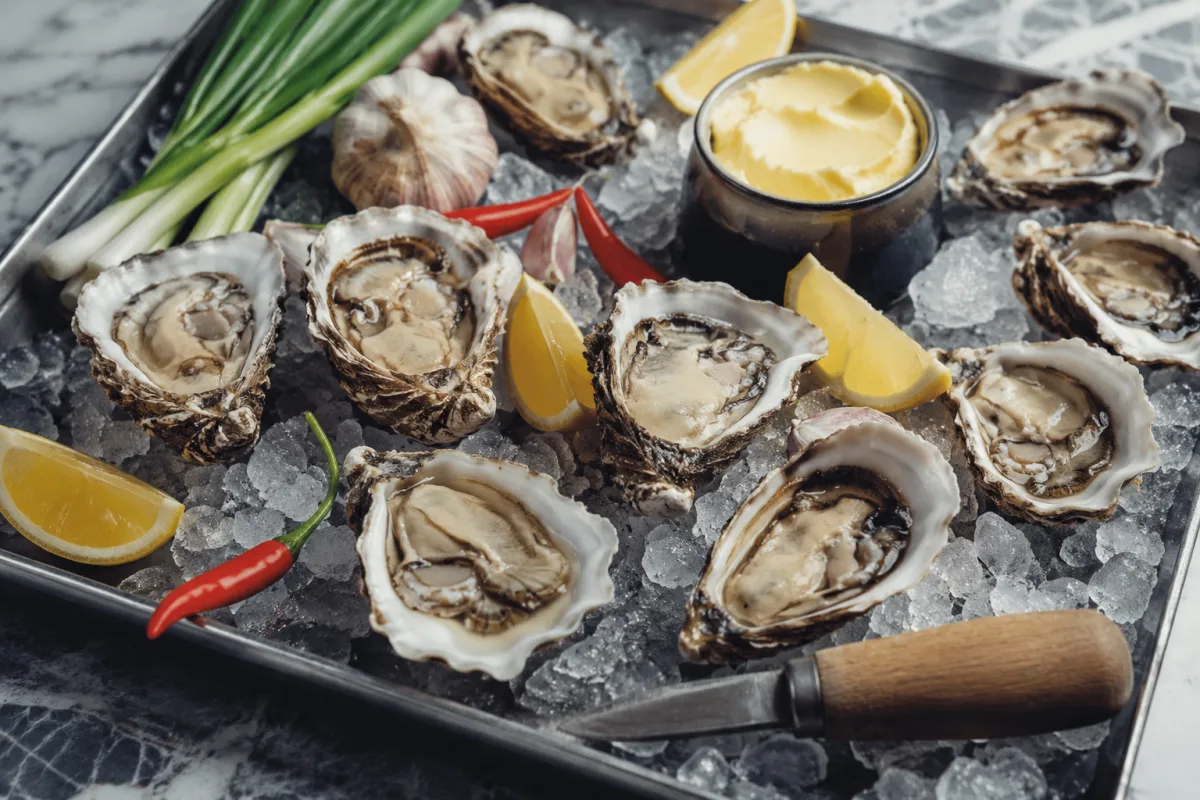
For 24 oysters, use 4 tablespoons softened butter, 1 tablespoon minced garlic, 1 tablespoon finely chopped scallion, 1 tablespoon hot sauce, 1 teaspoon chili crisp or minced red chile, 1 teaspoon lemon juice, 1/2 teaspoon smoked paprika, 1/4 teaspoon black pepper, and a small pinch of salt only if the oysters are mild.
Optional finishers include chopped parsley, lime wedges, a few drops of Worcestershire sauce, or toasted breadcrumbs. Do not oversalt the butter mixture before tasting the oysters. Brine varies, and some oysters bring enough salt on their own.
If the oysters are very large, plan on fewer per person and a slightly lighter hand with chile. Big oysters can become heavy when covered with butter. Small oysters make a better passed appetizer because each bite has shellfish, heat, fat, and acid in balance.
If you like building your own spice blends, Livecub's Asian seasoning mix guide can help you think about heat, aromatics, salt, and sweetness as separate controls instead of one generic "spicy" flavor.
How Do You Clean And Open Oysters?
Scrub live oysters under cold running water to remove grit from the shells. Discard any with broken shells or shells that stay open when tapped. Keep the oysters cupped side down over ice or in the refrigerator until you are ready to shuck or cook.
Use an oyster knife, not a thin kitchen knife. Protect your hand with a towel or cut-resistant glove, insert the tip at the hinge, twist gently, and keep the blade close to the top shell so you do not spill the liquor. If that sounds stressful, buy shucked oysters in a tub meant for cooking and spoon them into clean shells, ramekins, or a small baking dish.
How Do You Make The Spicy Butter?
Mash the softened butter with garlic, scallion, hot sauce, chili crisp or chile, lemon juice, paprika, black pepper, and salt if needed. The mixture should taste bright and warm, not harsh. If the hot sauce is vinegar-heavy, reduce the lemon slightly.
Let the butter sit for 10 minutes while the oven heats. That short rest lets garlic and chile spread through the fat. If the butter is cold and hard, it may sit in lumps on the oyster instead of melting evenly over the meat.
Taste the butter on a piece of bread or cucumber before using it. The mixture should have heat up front, garlic in the middle, and lemon at the end. If it tastes flat, add acid. If it tastes sharp, add a little more butter.
Should You Bake, Broil, Or Grill Them?
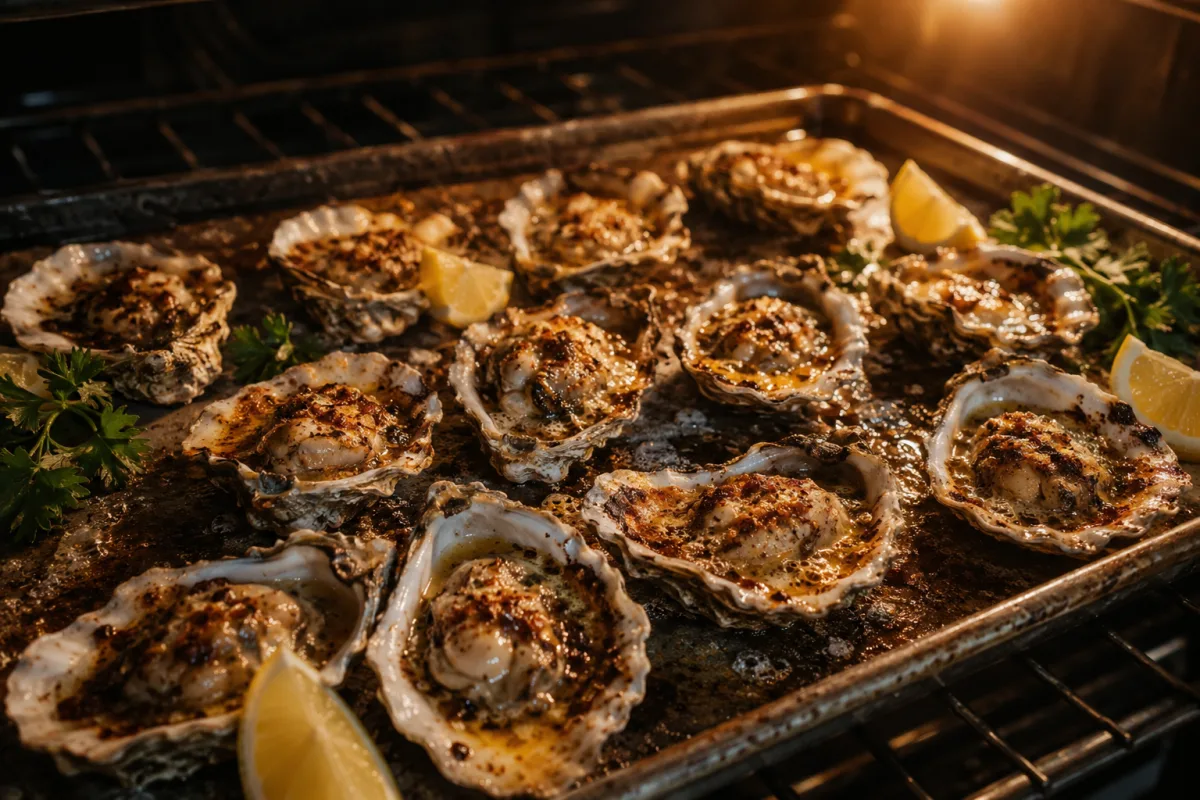
Baking gives the most control. Arrange oysters on a rimmed sheet pan with crumpled foil or rock salt to keep them level. Spoon a small amount of spicy butter over each oyster and bake at 425 degrees Fahrenheit until the edges curl and the topping bubbles.
Broiling gives more browning and faster drama, but it can overcook the oyster quickly. Keep the pan a few inches from the heat and watch closely. Grilling works too, especially outdoors, but flare-ups and uneven heat make timing less predictable.
If seafood gatherings are your style, Livecub's easy clambake recipe pairs well with spicy oysters because both dishes reward fresh shellfish, simple seasoning, and careful heat.
How Do You Know Oysters Are Cooked Safely?
Cooked oysters should look plump and opaque, with edges beginning to curl. FoodSafety.gov's safe temperature chart lists 145 degrees Fahrenheit for fin fish and shellfish. A small instant-read thermometer can help when oysters are large or when the topping hides the meat.
Washington State Department of Health also notes that Vibrio is destroyed by cooking shellfish to 145 degrees Fahrenheit for 15 seconds. Do not rely only on the shell opening. Some shells open before the meat is fully hot, and some safe shucked oysters have no shell cue at all.
If you use a thermometer, check the thickest oyster in the batch and avoid touching the hot shell with bare fingers. For shucked oysters baked in a dish, stir the edges gently before checking so colder pockets do not hide under melted butter.
What Should You Serve With Spicy Oysters?
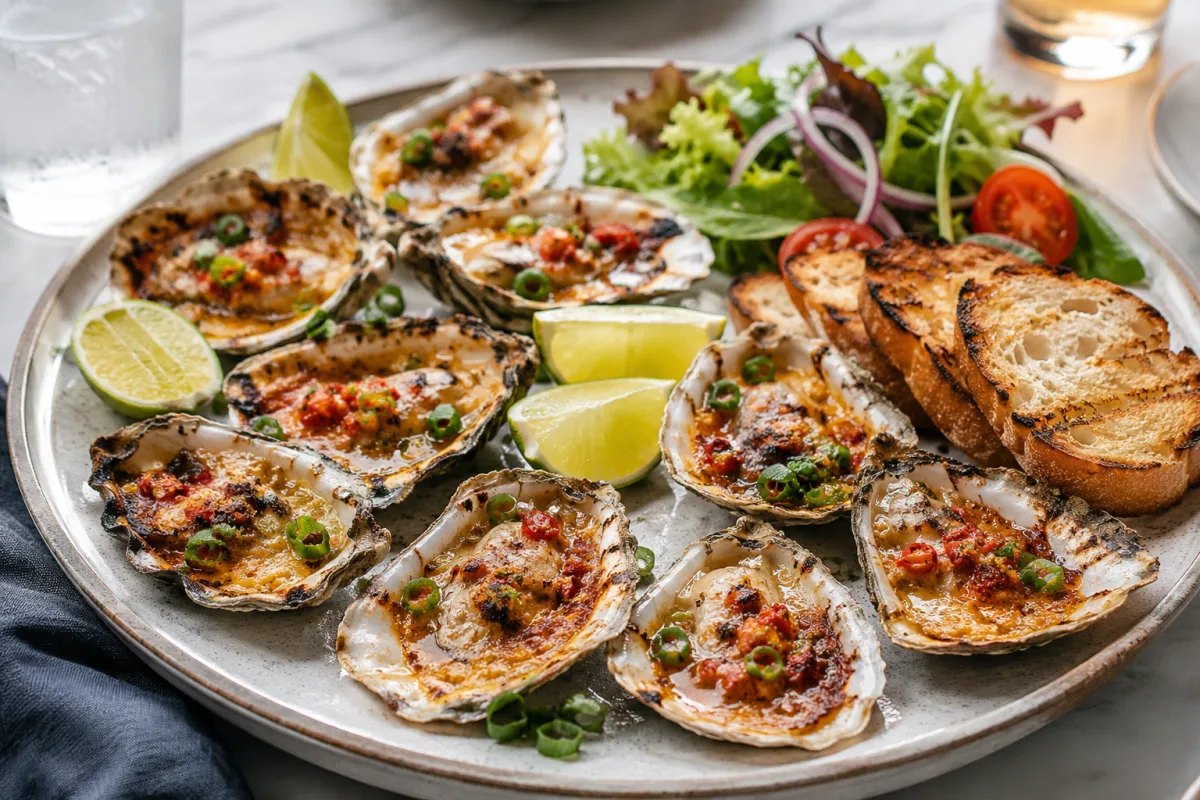
Serve them hot with lemon or lime wedges, extra scallions, and a crisp side that can handle butter. Cucumber salad, lightly dressed greens, grilled bread, roasted corn, or rice all work. Avoid heavy sides that make the oysters feel greasy.
For a bigger table, pair them with Livecub's Chinese fried chicken wings or asparagus rolls. The wings bring crunch and the asparagus brings a clean vegetable note.
Serve from a warm platter if possible. Cold plates make the butter firm up too fast. Put a small bowl out for shells, offer napkins, and keep the garnish simple so guests are not balancing too many pieces at once.
Can You Make Them Ahead?
You can make the spicy butter a day ahead and refrigerate it. Bring it back toward room temperature before using. Do not shuck oysters far ahead unless you are using properly packed shucked oysters from a seafood counter and keeping them cold.
Cook oysters close to serving time. They lose texture as they sit, and reheating can make them tough. If you need a make-ahead holiday side for the same meal, Livecub's basic corn souffle recipe is better suited to planning around the oven.
What Mistakes Ruin Spicy Oysters?
Do not use oysters with broken shells, leave them at room temperature, oversalt the butter, bury them in breadcrumbs, or cook them until rubbery. Do not assume hot sauce can hide poor seafood. Spicy toppings make good oysters lively; they do not rescue questionable ones.
Also avoid putting a full spoonful of thick topping on each oyster. A small amount melts into the liquor. Too much sits like paste and blocks the heat from reaching the oyster evenly.
Leftovers are not the point of this recipe. Cook only what you plan to eat, and keep any extra oysters cold for another cooked dish. A small batch served hot is better than a big tray that sits around losing texture.
Frequently Asked Questions
Can I use canned oysters?
You can, but the texture will be softer and less briny. Drain them well and bake in ramekins.
How spicy should the butter be?
It should taste hotter than you want the final oyster because the shellfish and butter soften the heat.
Can I use shucked oysters from a tub?
Yes, if they are fresh, cold, and intended for cooking. Spoon them into clean shells or a small baking dish.
Do I need breadcrumbs?
No. Breadcrumbs add crunch, but too much can make the oyster taste like stuffing.
How long can cooked oysters sit out?
Serve them promptly and follow standard two-hour food safety guidance for perishable cooked seafood.
What Is The Best Version?
The best spicy oysters taste like oysters first. Use fresh shellfish, keep them cold, cook them through, and season with enough chile, garlic, butter, and acid to sharpen the brine instead of covering it. Serve while hot, and keep the batch small.

Chiara Bradshaw
Covers education, culture and creative topics with an emphasis on readable explanations and verifiable references.


Leave a reply
Replying to