
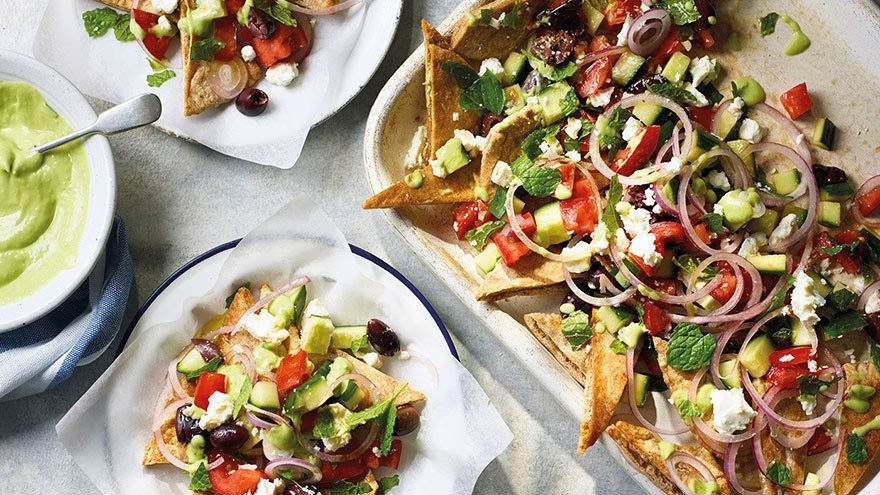
Vegetarian Recipes Should Feel Like Meals, Not Side Dishes
Good vegetarian recipes are not just meat recipes with the meat removed. They need structure: protein, vegetables, starch or grain, fat, seasoning, texture, and something bright at the end.
When those pieces are present, vegetarian cooking can be filling, affordable, and interesting. When they are missing, dinner becomes a plate of sides that leaves people searching the pantry an hour later.
Build the meal first, then choose the recipe.
Start With Protein
The NHS guide to the vegetarian diet points to nutrients such as iron, vitamin B12, and omega-3 as planning concerns. Protein also needs a place on the plate.
Use beans, lentils, chickpeas, tofu, tempeh, eggs, Greek-style yogurt, cottage cheese, paneer, nuts, seeds, and dairy if they fit your diet. Vegan meals may lean more on legumes, soy foods, seeds, nuts, and fortified products.
A vegetarian dinner feels better when protein is not an afterthought.
Understand the Style of Vegetarian Eating
Not every vegetarian table is the same. Some people eat eggs and dairy. Some avoid one or both. Some are cooking for a vegetarian guest while the rest of the household still eats meat.
Ask before planning for someone else. A dish with chicken broth, gelatin, fish sauce, bacon fat, or Parmesan made with animal rennet may not fit every vegetarian diet.
Clear ingredients are part of good hospitality.
Use Beans and Lentils Well
Beans and lentils are inexpensive, flexible, and forgiving. They can become chili, soup, dal, tacos, patties, salads, spreads, pasta sauce, or rice bowls.
Do not leave them plain unless the rest of the plate is bold. Add aromatics, spices, herbs, broth, citrus, vinegar, tomato, coconut milk, or a good sauce. Texture matters too, so top soft beans with crunchy vegetables, seeds, chips, or toasted crumbs.
Livecub's Philippines corned beef recipe is not vegetarian, but its quick skillet style can inspire a meatless hash using beans or mushrooms instead.
Make Vegetables the Main Event
Vegetables can carry a recipe when they are treated with respect. Roast cauliflower until browned, sear mushrooms hard, char peppers, steam greens briefly, grill eggplant, or shred cabbage for crunch.
Season at each stage. Salt, pepper, garlic, chili, cumin, coriander, smoked paprika, ginger, soy sauce, lemon, and herbs all help vegetables taste deliberate rather than plain.
Vegetarian cooking needs browning and seasoning as much as any other cooking.
Choose a Grain or Starch
Rice, potatoes, pasta, tortillas, bread, oats, barley, farro, bulgur, couscous, quinoa, and noodles can turn vegetables and protein into dinner. Match the starch to the sauce.
A saucy curry wants rice or flatbread. A bean salad may need toast. Roasted vegetables can sit over polenta, potatoes, or grains. Pasta needs a sauce that clings, not just scattered vegetables.
For a side that can fit vegetarian holiday meals, Livecub's basic corn souffle recipe is a useful comfort-food option.
Use Sauces to Change the Same Ingredients
A sauce can turn one pantry into many meals. Peanut sauce, yogurt sauce, tahini lemon sauce, tomato sauce, coconut curry, salsa verde, vinaigrette, pesto, miso butter, and chili crisp all shift the mood.
Livecub's Asian seasoning mix guide can help with fast vegetable dinners, especially when tofu, mushrooms, broccoli, cabbage, or snap peas are in the pan.
Sauce is often the difference between leftovers and a second meal people want.
Pay Attention to Nutrients
USDA WIC Works notes that a vegetarian pattern can include plant proteins such as tofu, soy products, beans, peas, nuts, and seeds, while nutrients such as iron, zinc, vitamin B12, choline, and iodine may need attention for some people.
That does not mean vegetarian meals must feel clinical. It means variety matters. Combine legumes, whole grains, vegetables, nuts, seeds, dairy or fortified alternatives, and eggs if you eat them.
If you are vegan, pregnant, feeding children, managing a medical condition, or unsure about B12, iron, or iodine, talk with a qualified clinician or dietitian.
Build a Vegetarian Pantry
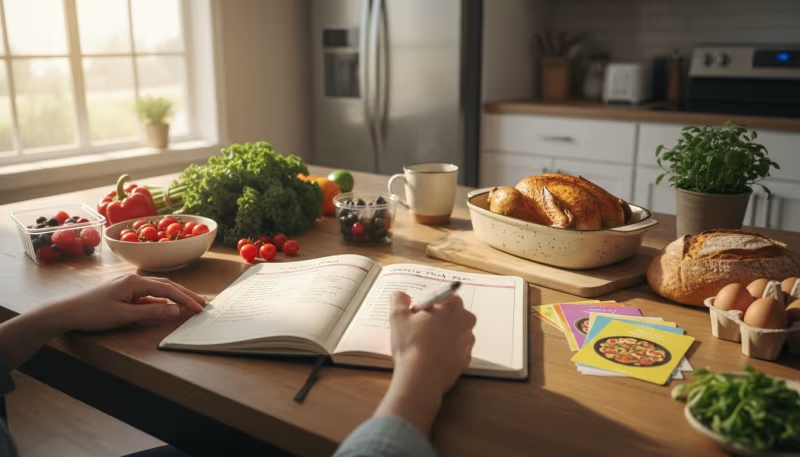
A useful pantry makes vegetarian cooking easier on tired nights. Keep canned beans, lentils, chickpeas, tomatoes, coconut milk, broth, pasta, rice, oats, tortillas, nuts, seeds, and a few sauces.
In the refrigerator, keep eggs, tofu, yogurt, cheese, greens, carrots, cabbage, and lemons if they fit your diet. In the freezer, keep peas, spinach, edamame, berries, and cooked grains.
The pantry should give you choices without needing a new shopping trip every night.
Plan Breakfast, Lunch, and Dinner Differently
Breakfast can be yogurt with nuts, eggs with vegetables, tofu scramble, oats with seeds, or toast with beans. Lunch can be a soup, grain bowl, leftovers, stuffed pita, or salad with chickpeas.
Dinner usually needs more structure because people expect it to feel complete. Use the protein, vegetable, starch, sauce, and texture pattern, then change the flavor family.
Thinking by meal type keeps vegetarian cooking from becoming one endless bowl of the same ingredients.
Make Three Flexible Dinner Templates
Keep a bowl template, a skillet template, and a soup template. A bowl might be rice, lentils, roasted vegetables, sauce, and crunch. A skillet might be tofu, vegetables, noodles, and sauce. A soup might be beans, greens, tomato, herbs, and bread.
Templates reduce decision fatigue. You can change the flavor without rebuilding dinner from nothing.
Repeat the structure, change the seasoning.
Do Not Fear Convenience
Canned beans, frozen vegetables, jarred sauce, bagged slaw, prewashed greens, frozen rice, and prepared tofu can make vegetarian cooking realistic on weeknights. Rinse canned beans if you want less salt.
Convenience becomes a problem only when every meal depends on ultra-processed substitutes and lacks vegetables. Keep the shortcut, then add something fresh.
Livecub's asparagus rolls recipe can work as a vegetable-forward starter when you want something more polished.
Use Texture on Purpose
Vegetarian meals can feel soft if every ingredient is simmered. Add toasted nuts, roasted chickpeas, crisp cabbage, pickled onions, seeds, croutons, browned mushrooms, or raw herbs.
Texture also helps leftovers. A lentil soup feels new with crunchy bread. A rice bowl improves with toasted sesame seeds and cucumber. A bean taco needs something crisp.
Crunch is not decoration; it changes how satisfying the meal feels.
Do Not Let Cheese Do All the Work
Cheese can be useful, but a vegetarian recipe should not depend on cheese alone for flavor and satisfaction. Beans, lentils, mushrooms, browned onions, nuts, seeds, herbs, spices, and roasted vegetables bring depth too.
If you use cheese, let it support the dish. A little feta, Parmesan-style cheese, paneer, halloumi, cheddar, or goat cheese can do more when the base is already seasoned.
Make Vegetarian Food Feel Festive
For guests, offer one dish that feels centered rather than apologetic. Mushroom pot pie, lentil shepherd's pie, vegetable lasagna, stuffed squash, chickpea curry, tofu satay, or a grain salad with roasted vegetables can hold the table.
Dessert helps too. Livecub's Christmas cookie ornaments recipe can make a meatless gathering feel playful without requiring another main course.
Learn a Few Reliable Flavor Families
Mediterranean meals can use chickpeas, lemon, herbs, tomatoes, yogurt, and olive oil. Mexican-inspired meals can use beans, corn, squash, salsa, lime, and tortillas. Indian-inspired meals can use lentils, chickpeas, spinach, rice, and warm spices.
The UC Davis overview of vegetarian diets describes vegetarian patterns as plant-based eating centered on fruits, vegetables, whole grains, legumes, nuts, and seeds. Those foods can move through many cuisines when seasoning is handled with care.
Cook Once, Change Twice
Make a pot of lentils, a tray of roasted vegetables, and a sauce on Sunday. On Monday, serve them over rice. On Tuesday, fold them into tacos. On Wednesday, add broth and greens for soup.
This approach saves time without making every dinner feel like leftovers. The base stays familiar, but the format changes.
Keep toppings separate so each version keeps some fresh texture.
Frequently Asked Questions
What makes a vegetarian recipe filling?
Protein, fiber, fat, starch, and texture make a vegetarian meal more satisfying. Beans, lentils, tofu, eggs, grains, nuts, seeds, and vegetables all help.
Can vegetarian recipes be high in protein?
Yes. Use tofu, tempeh, beans, lentils, chickpeas, Greek-style yogurt, cottage cheese, eggs, nuts, seeds, or legume-based pasta.
What nutrients should vegetarians watch?
Depending on the diet, vitamin B12, iron, zinc, iodine, choline, omega-3 fats, calcium, and vitamin D may need attention.
How do I make vegetables taste better?
Use heat, salt, acid, fat, spices, herbs, sauce, and texture. Browning and finishing with lemon or vinegar can change a dish quickly.

Chiara Bradshaw
Covers education, culture and creative topics with an emphasis on readable explanations and verifiable references.


Leave a reply
Replying to