
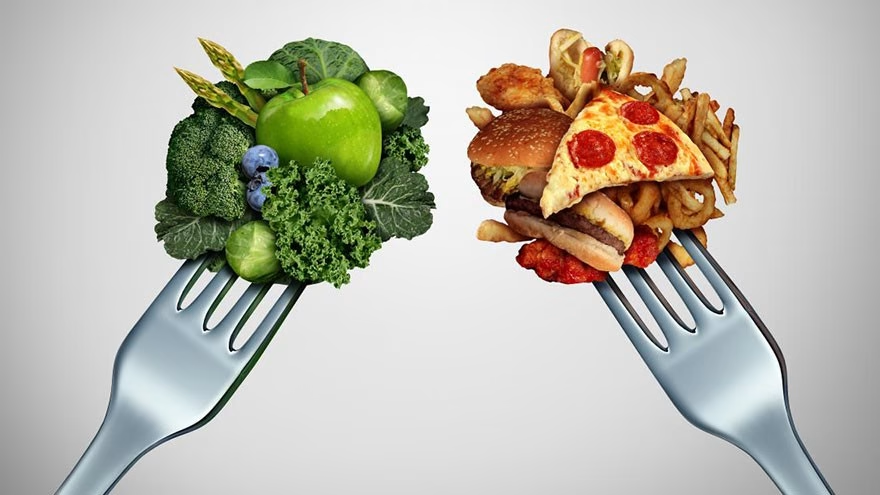
We Are What We Cook is less about moral purity and more about repetition. The meals cooked most often shape grocery lists, leftovers, cravings, energy, and what the household thinks a normal plate looks like.
Holiday food makes this obvious. A few rich meals are not the problem. The problem is when the treats, snacks, and convenience foods become the default long after the gathering ends.
Home Cooking Shapes The Default Plate
The food cooked at home becomes the easiest food to eat again. A pot of soup turns into lunch. Roasted vegetables turn into omelets. A tray of cookies on the counter turns into breakfast by accident.
USDA MyPlate gives a simple visual: fruits and vegetables take half the plate, with grains and protein filling the other half and dairy on the side if used: USDA MyPlate. Cooking with that image in mind changes the default without counting every bite.
The method is practical: cook one vegetable, one protein, one starch, and one sauce or seasoning that makes the meal worth eating.
Ingredients Matter Before Willpower
Willpower has a hard time beating the pantry. If the house holds mostly sweets, chips, white bread, soda, and rich leftovers, those foods will be eaten. If the house holds eggs, fruit, beans, yogurt, vegetables, soup, and cooked grains, those become the easy choices.
CDC advises limiting added sugars, saturated fat, and sodium while choosing nutrient-dense foods. That advice starts at the store, not at the table.
A food pattern journal can reveal the household default. How to write a food journal works best when it tracks triggers and routines rather than shame.
Cooking Technique Changes The Meal
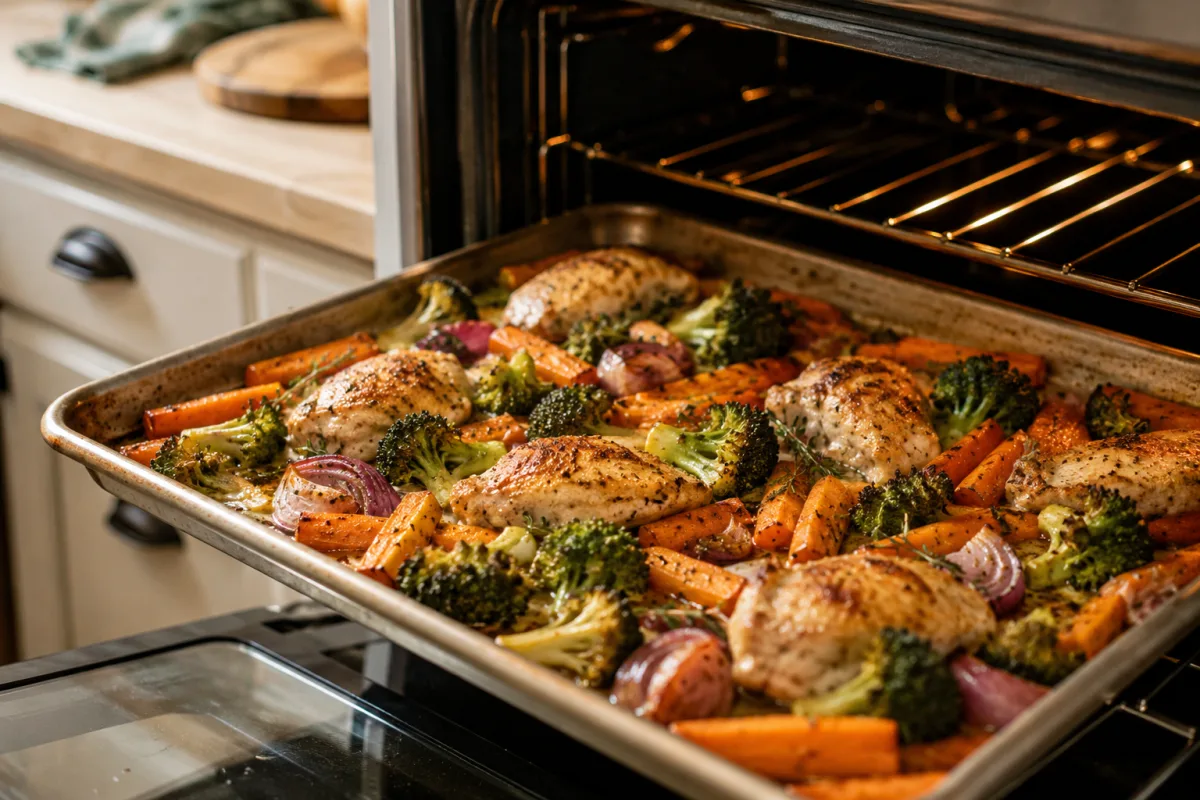
The same ingredient can land very differently depending on the method. Potatoes roasted with measured oil are not the same as potatoes fried and salted heavily. Chicken simmered with tomatoes and herbs is not the same as chicken hidden under cream and cheese every time.
American Heart Association cooking guidance often points to baking, roasting, grilling, steaming, and using herbs, spices, citrus, and vinegar for flavor instead of relying only on salt and saturated fat: AHA cooking skills.
Technique also affects satisfaction. Browning vegetables, toasting spices, finishing with lemon, and salting carefully can make lighter food feel complete instead of like a substitute.
Holiday Cooking Needs Boundaries
Holiday recipes are allowed to be rich. The boundary is frequency and location. Make the special dish for the special meal, serve it well, then decide where leftovers go.
Dessert tables are easier to handle when they are deliberate. If sweets are the event, display them once and put them away after. Cookie display ideas can help the party feel generous without turning the kitchen counter into a week-long grazing station.
A recipe like Mom's best fudge icing can stay in the holiday rotation. It just does not need to become the breakfast plan for the next four mornings.
Cook For Leftovers, Not Leftover Chaos
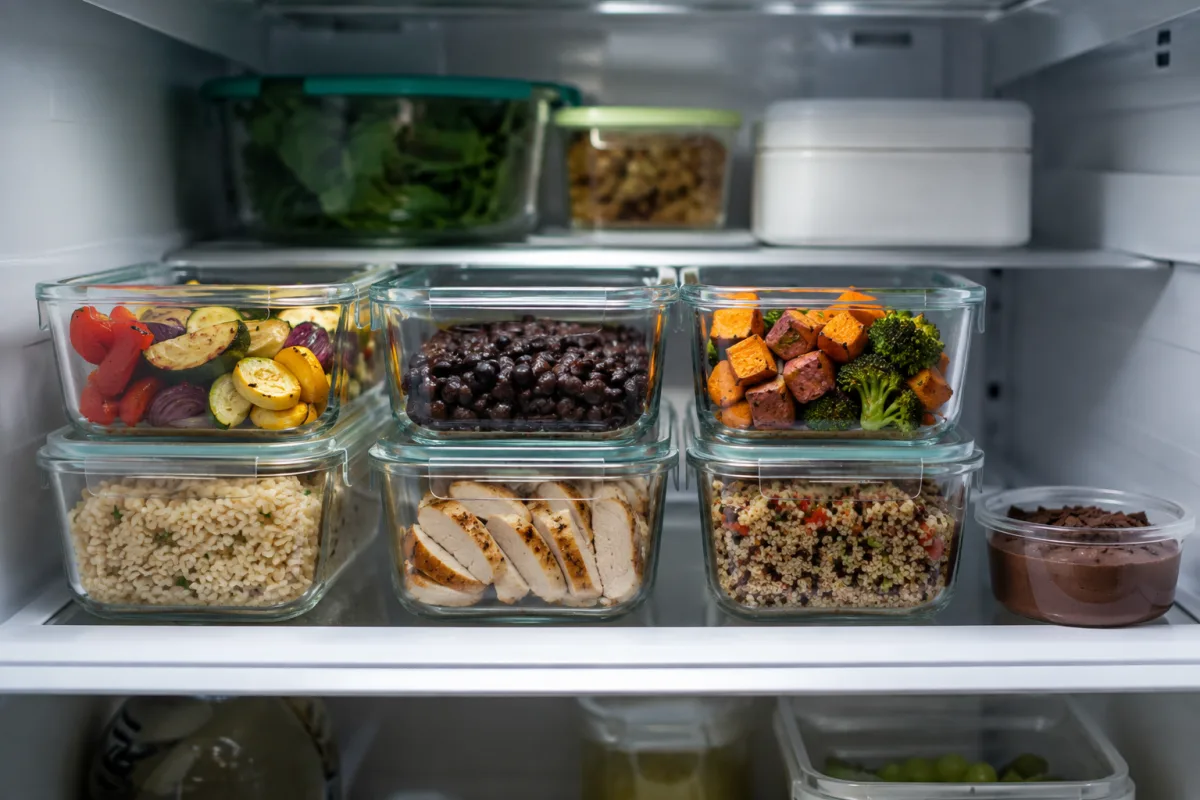
Leftovers are a health tool when they are planned. Cook extra protein, beans, vegetables, or soup. Store rich foods in smaller portions. Label dates if the fridge gets crowded.
Pasta is a good example. A heavy baked pasta can be balanced the next day with vegetables and lean protein, or replaced sometimes with ideas from pasta substitutes.
When leftovers are already balanced, the next meal is easier. When leftovers are mostly dessert and starch, the next meal asks for a reset.
Food Culture In The House Matters
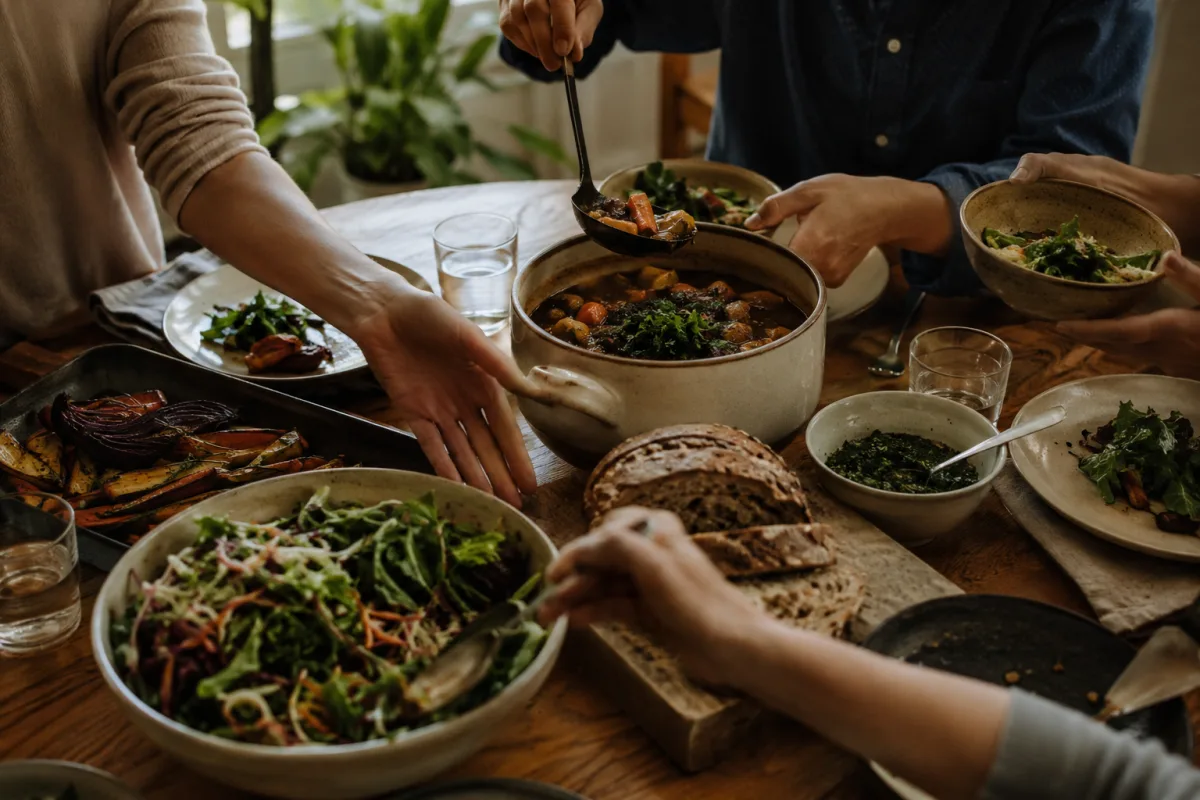
People learn normal by watching. If children, partners, roommates, or older relatives see vegetables cooked well, protein planned, sweets enjoyed without drama, and no punishment after rich meals, that becomes the household tone.
For older family members, support often works better than lectures. How to motivate the elderly is relevant when cooking is tied to appetite, independence, and routine.
The best home food culture is not strict. It is predictable enough that a rich meal does not cause panic and a healthy meal does not feel like a penalty.
A Better Weekly Cooking Loop
A weekly cooking loop starts before the stove turns on. Pick three meals the household will actually eat, then buy ingredients that can cross over. Roasted vegetables can go into eggs, grain bowls, wraps, and soup. Cooked chicken can become tacos, salad, or pasta.
The loop should include one low-effort meal. People often plan like every night will be calm, then order takeout when Tuesday arrives tired and late. A low-effort meal might be eggs, beans on toast, frozen vegetables with rice, or soup from the freezer.
Prep ingredients, not perfect meals, if full meal prep feels stale. Wash greens, cook grains, roast a tray of vegetables, make one sauce, and portion a protein. That gives the week choices without locking everyone into five identical boxes.
Keep the treats visible only when they are part of the plan. A dessert served after dinner is different from a dessert sitting open at eye level all day. Environment does quiet work.
Use leftovers as ingredients. Soup can become sauce, vegetables can go into pasta, and cooked meat can stretch with beans. Reuse is not boring when the seasoning changes.
After a week, ask one practical question: which meal made the next day easier? Repeat that. A household changes through meals that solve real friction, not through recipes saved and forgotten.
This is why cooking identity matters. A person who sees themselves as someone who can assemble a steady meal is less dependent on urgency, cravings, and whatever happens to be closest.
Make the first cooking loop almost too simple. A soup, a sheet-pan meal, and a breakfast-for-dinner night can be enough. Fancy plans break quickly when work runs late, kids need help, or groceries are missing one ingredient.
Use flavor families instead of new recipes every night. Tomatoes, garlic, beans, and greens can go Italian one night and become a soup the next. Rice, eggs, vegetables, and chili crisp can change direction with a different sauce.
The freezer is part of cooking, not a failure drawer. Freeze soup, cooked grains, chopped herbs in oil, extra beans, and single portions of rich holiday food. Future-you needs options that are easier than ordering out.
Cook with the next meal in mind. If the oven is already hot, roast extra vegetables. If beans are simmering, save a portion for lunch. If chicken is cooked, slice some before it disappears into one oversized dinner.
The reward is not only nutrition. It is fewer decisions. A house with useful leftovers asks less from a tired person, and tired people are the ones most likely to eat whatever is closest.
Let convenience foods support the loop instead of replacing it. Frozen vegetables, canned tomatoes, rotisserie chicken, bagged salad, microwave grains, and canned beans can make home cooking realistic. Purity is less useful than repeatability.
Season at the end as well as the beginning. A little acid, fresh herbs, pepper, yogurt, or crunchy topping can rescue a plain meal. That finishing step often keeps people from reaching for extra cheese, butter, or salty packaged sides.
If the house includes picky eaters, deconstruct the meal. Put the sauce, grain, vegetables, and protein in separate bowls. Everyone builds a plate, and the cook avoids making four different dinners.
Do the same with holiday leftovers. Turkey, vegetables, rolls, dessert, and sauce can be stored separately so the next plate is a choice, not a pile. Separation keeps rich foods from spreading into every meal and makes balanced leftovers easier to assemble.
That small storage habit often changes the whole week because lunch can become intentional instead of whatever container opens first.
Frequently Asked Questions
Does home cooking always mean healthier eating?
No. Home cooking helps only if the usual ingredients and methods support balanced meals.
How can I make holiday cooking healthier?
Keep favorite dishes, but add vegetables, smaller dessert portions, planned leftovers, and lighter everyday meals around the event.
What cooking method helps most?
Roasting, steaming, grilling, baking, and sauteing with measured oil often keep flavor while reducing excess fat.
Should I count calories while cooking?
Some people benefit from tracking. Others do well by changing defaults: more produce and protein, less free-poured oil and sugar.
How do I change family habits?
Start with one repeated meal. A normal weekly dinner changes culture more than a lecture about nutrition.
This article is for general information only and isn't a substitute for medical advice. Talk to a clinician who knows your full history before making changes.

Chiara Bradshaw
Covers education, culture and creative topics with an emphasis on readable explanations and verifiable references.




Leave a reply
Replying to